

 English
 中文简体
中文简体Don't hesitate to send a message
The Airless Flux-Cored Aluminum Alloy Welding Wire is an innovative welding solution designed fo...
Aluminum alloy welding wire is a specialized consumable material engineered for welding processes involving aluminum and its alloys. This product category serves as a critical component in metal fabrication, enabling the creation of durable, high-quality joints in a variety of industrial and structural applications. Its primary purpose is to ensure strong, reliable connections between aluminum components, offering enhanced strength, corrosion resistance, and aesthetic appeal.
The wire is carefully formulated to match the properties of the base aluminum material, ensuring compatibility during the welding process. It is designed to provide consistent performance, little distortion, and a clean weld finish, making it suitable for a wide range of applications. The versatility of aluminum alloy welding wire lies in its ability to accommodate different welding techniques, including gas metal arc welding (GMAW), gas tungsten arc welding (GTAW), and other fusion-based methods.
This product is utilized across diverse industries, including aerospace, automotive, marine, construction, and electronics. In the aerospace sector, for instance, it is employed to join lightweight yet strong aluminum components, contributing to the efficiency and performance of aircraft. In the automotive industry, it plays a crucial role in manufacturing vehicle frames, engine components, and body panels, where lightweight materials are essential for improving fuel efficiency. Marine applications benefit from its corrosion resistance, ensuring durability in harsh saltwater environments.
Aluminum alloy welding wire is available in various forms and alloys, each tailored to specific mechanical, chemical, and thermal requirements. It is designed to offer a balance of strength, ductility, and conductivity, meeting the demands of both structural and non-structural applications. The wire’s composition may include trace elements or alloying agents to enhance its performance, such as improving weldability, tensile strength, or resistance to environmental factors.
Beyond its technical attributes, this product is also valued for its ease of use in welding operations. It ensures smooth feeding through welding equipment, reduces spatter, and produces consistent welds with little post-processing. This makes it a good choice for both large-scale industrial production and precision fabrication tasks.
As a fundamental material in modern metalworking, aluminum alloy welding wire continues to play a pivotal role in advancing lightweight construction, sustainable manufacturing, and innovative design. Its ability to combine performance, reliability, and versatility ensures its continued relevance across a broad spectrum of industrial applications.
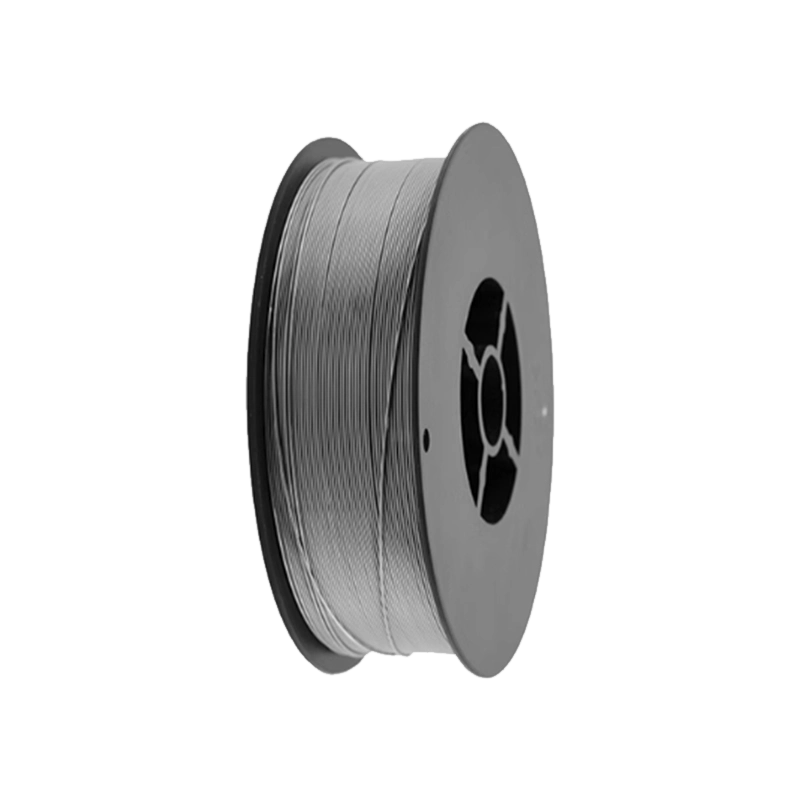
The Airless Flux-Cored Aluminum Alloy Welding Wire is an innovative welding solution designed fo...
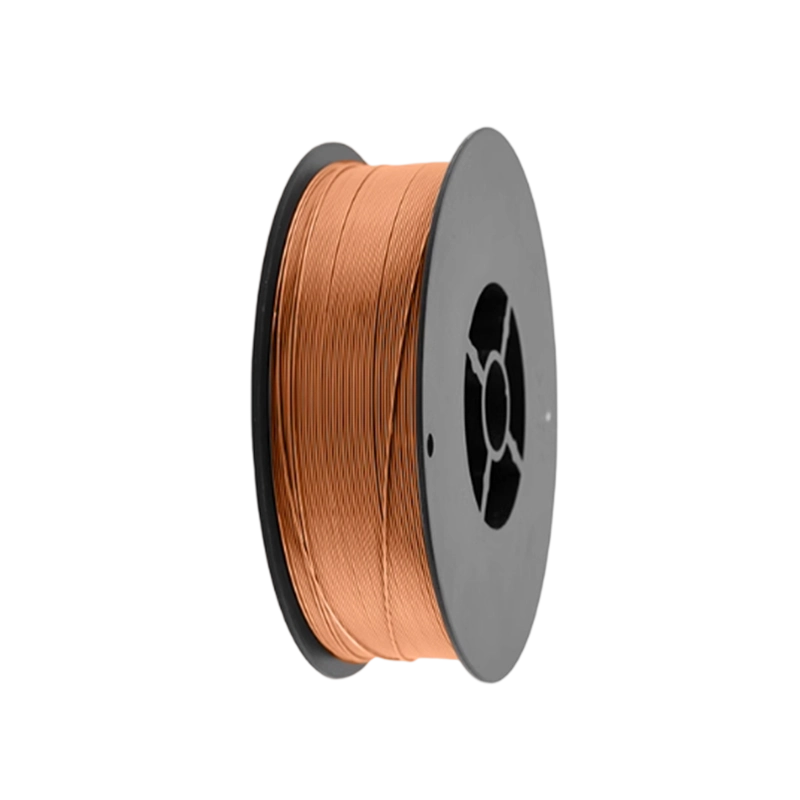
Our Gas Flux-Cored Aluminum Alloy Welding Wire is an advanced welding consumable engineered for ...
Sparks fly, machines hum, and row after row of dark lenses move steadily down assembly lines. A welding goggles factory looks busy from the outside, yet the real story unfolds in s...
READ MOREProtective Welding Helmet stands as essential gear in any welding environment. Workers rely on it to shield eyes and face from intense light, sparks, and heat during arc processes....
READ MOREA welded magnet is a small assembly with a straightforward job: hold, position, or align another object. It combines a magnet with a welded metal housing or bracket, creating a uni...
READ MOREIn metal fabrication and industrial processing, plasma cutting equipment plays an important role in handling conductive metals. As manufacturers, distributors, and equipment integr...
READ MOREAluminum alloy welding wire is a type of welding material specifically used for welding aluminum and aluminum alloy materials, and is widely used in industries such as automotive, shipbuilding, and construction. Compared with ordinary welding wires, aluminum alloy welding wires have unique advantages in terms of corrosion resistance, processing performance, and welding quality.
Aluminum alloy welding wire is a welding material with aluminum or aluminum alloy as its main component, commonly used in welding methods such as TIG/MIG welding. It forms a strong welded joint with the base metal through heating and melting. Aluminum alloy welding wire is usually supplied in the form of fine wires or coils with diameters ranging from 0.8mm to 2.0mm to meet the needs of different welding equipment and processes.
The main functions of aluminum alloy welding wire are:
According to composition and welding method, aluminum alloy welding wire can be divided into the following categories:
Classified by alloy type
Classified by welding method
Classified by form
Aluminum alloy welding wire exhibits various performance advantages during the welding process, including weldability, weld strength, and corrosion resistance.
Welding Performance
Mechanical Properties
Corrosion Resistance
Aluminum alloy welding wires are widely used in manufacturing fields requiring lightweight, corrosion resistance, and high strength.
Welding of body panels, frames, and aluminum alloy wheels usually uses aluminum-silicon or aluminum-magnesium welding wires to ensure welding quality and corrosion resistance.
For aluminum alloy structural components in marine environments, such as decks and hull compartments, using aluminum-magnesium welding wires can improve corrosion resistance.
For welding curtain walls, pipes, and lightweight mechanical parts, pure aluminum welding wires or aluminum-silicon welding wires are often used for ease of processing and assembly.
Selecting the appropriate aluminum alloy welding wire requires considering the base metal type, welding method, weld performance requirements, and production efficiency.
Selection based on base metal
Selection based on welding method
Selection based on weld performance
Selection based on production efficiency
During aluminum alloy welding, attention should be paid to material characteristics and welding processes to ensure weld quality.
Surface Preparation
Controlling Heat Input
Wire Feeding and Angle
Gas Shielding
Aluminum alloy welding wire, as an important material for welding aluminum and aluminum alloys, directly affects the weld quality and structural safety.

Email:
siogeewelding@gmail.com
Whatsapp:
+86 13305885557
Phone:
+86 17377705924
Get In Touch
Product Center
Get In Touch
