

 English
 中文简体
Don't hesitate to send a message
Engineered for good performance in demanding industrial environments, the Professional Orange We...
Welding machines are essential tools used to join or cut metal materials through controlled application of heat, pressure, or a combination of both. These machines are indispensable in a wide range of industries, including construction, automotive, manufacturing, aerospace, and creative arts, offering solutions for everything from large-scale structural projects to intricate precision work. Designed to accommodate varying levels of expertise and application needs, welding machines are engineered to deliver efficiency, reliability, and quality in metal fabrication processes.
At their core, welding machines function by generating intense heat through electrical resistance, chemical reactions, or electric arcs. This heat melts the edges of metal pieces, allowing them to fuse together upon cooling. The versatility of welding machines lies in their ability to handle diverse materials—such as steel, stainless steel, aluminum, and other alloys—while adapting to different thicknesses, shapes, and joint configurations. Beyond joining metals, some welding machines are equipped with cutting capabilities, enabling the removal or shaping of metal components with precision.
Welding machines are designed with user-friendliness and adaptability in mind. Many models feature adjustable settings, such as temperature controls, power output, and welding modes, allowing operators to customize the process for specific materials or applications. Safety features, such as thermal overload protection and insulation, are often integrated to ensure safe operation. Additionally, advancements in technology have led to the development of portable and lightweight designs, making welding accessible in remote or fieldwork settings.
The adaptability of welding machines extends to their operational environments. They are suitable for use in workshops, factories, construction sites, and even outdoor locations. Some machines are powered by conventional electrical outlets, while others operate on generators or batteries, catering to diverse power supply conditions. This flexibility ensures that welding machines can meet the demands of both small-scale, specialized tasks and large-scale industrial operations.
Across industries, welding machines play a critical role in enhancing productivity, reducing waste, and enabling the creation of durable, high-quality metal assemblies. Whether for professional fabricators, hobbyists, or industrial operations, welding machines provide a cornerstone tool for shaping and connecting metal components, driving innovation and efficiency in metalworking processes.
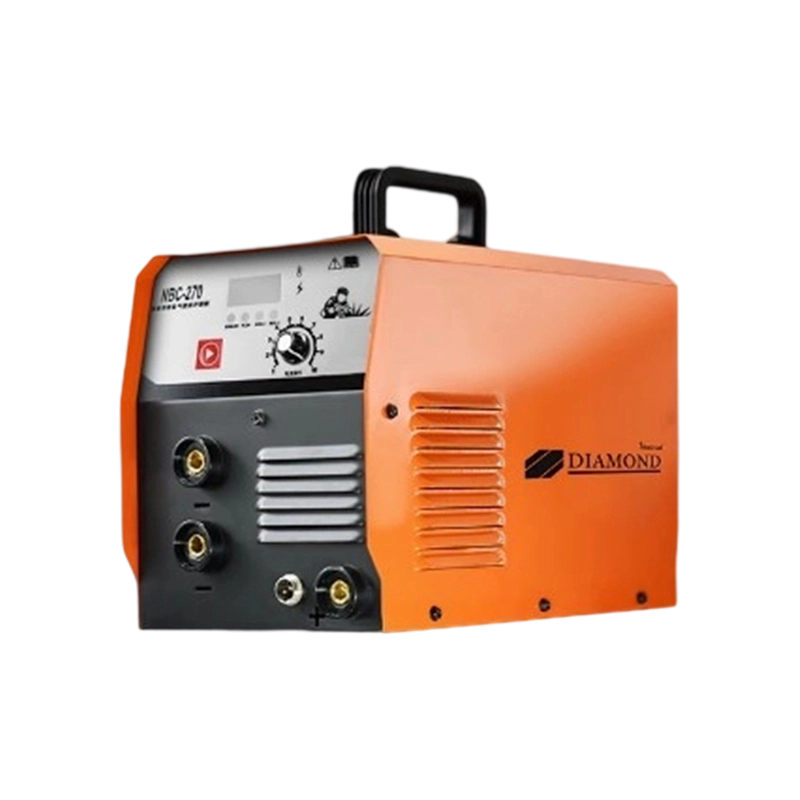
Engineered for good performance in demanding industrial environments, the Professional Orange We...
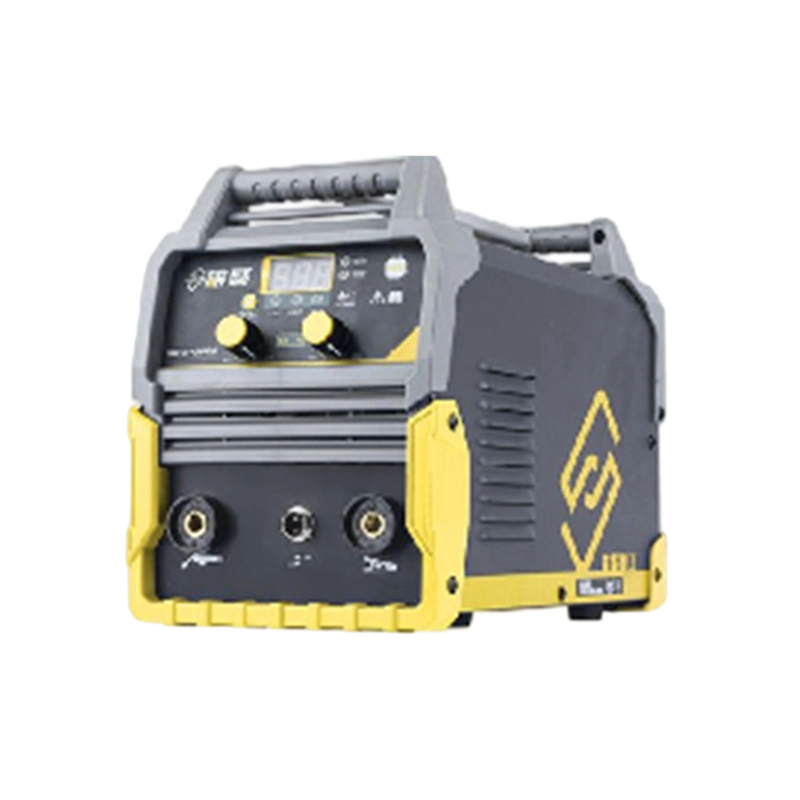
Transform your welding projects with this versatile and portable welding machine, designed to me...
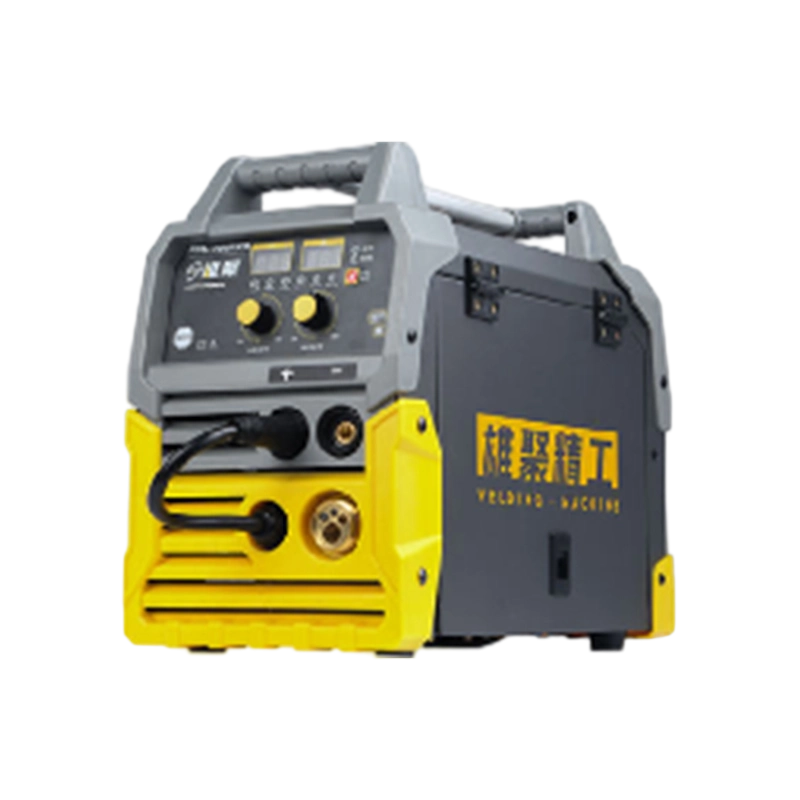
Engineered for demanding industrial environments, the Robust and Precise Welding Machine is a ve...
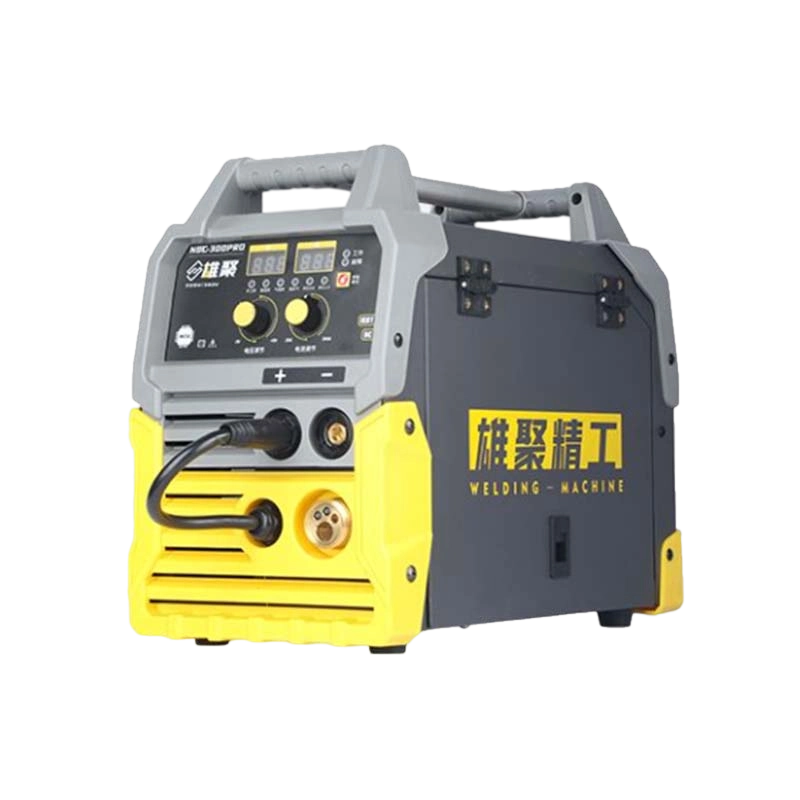
Engineered for versatility and user-centric design, our Ergonomic Portable Welding Machine redef...
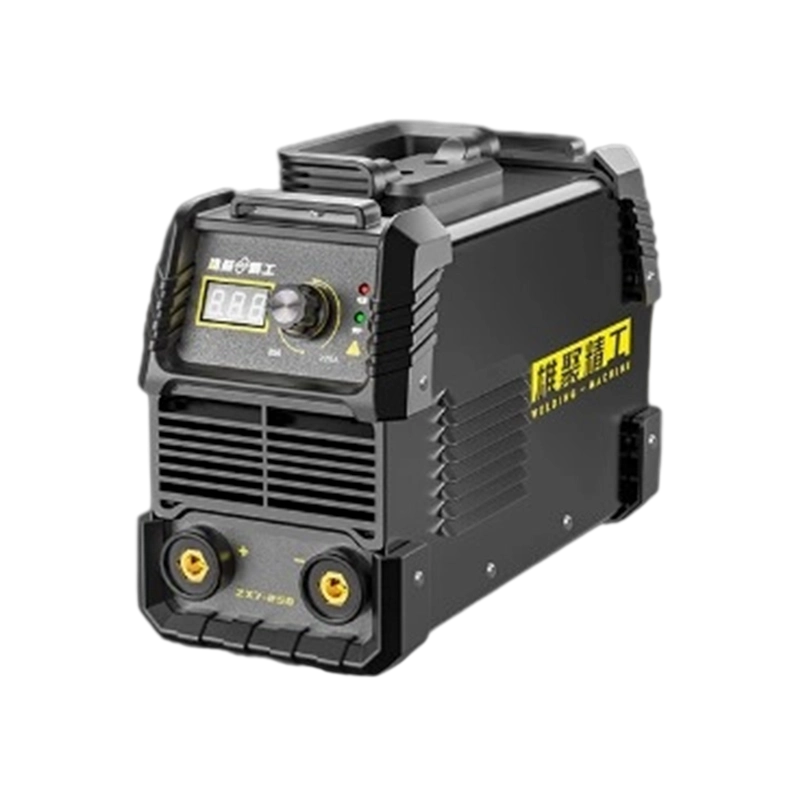
The Robust Industrial Welding Machine is engineered for demanding applications in heavy-duty met...
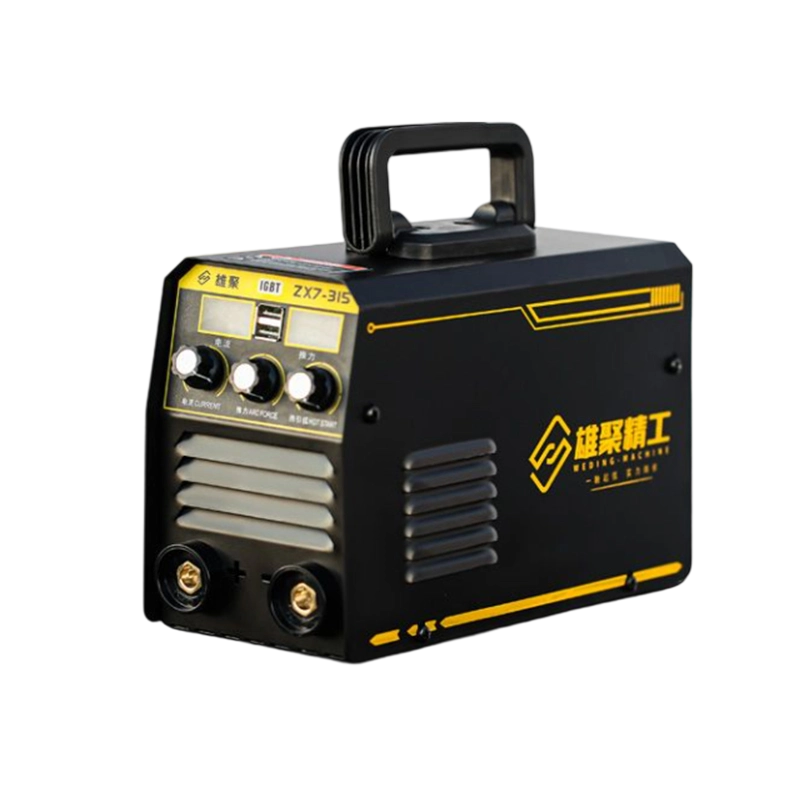
Elevate your DIY projects with our High-Power and Versatile Welding Machine, designed to meet th...
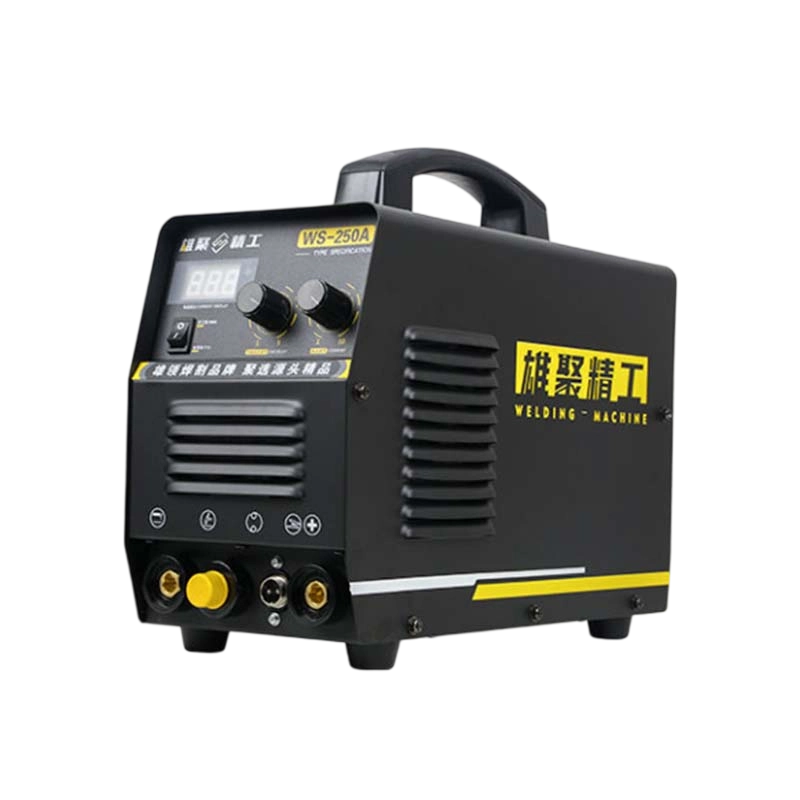
The High-Performance Welding Machine is an innovative solution tailored for precision metalworki...
Elevate your welding operations with the Precision-Controlled Welding Machine, an advanced tool ...
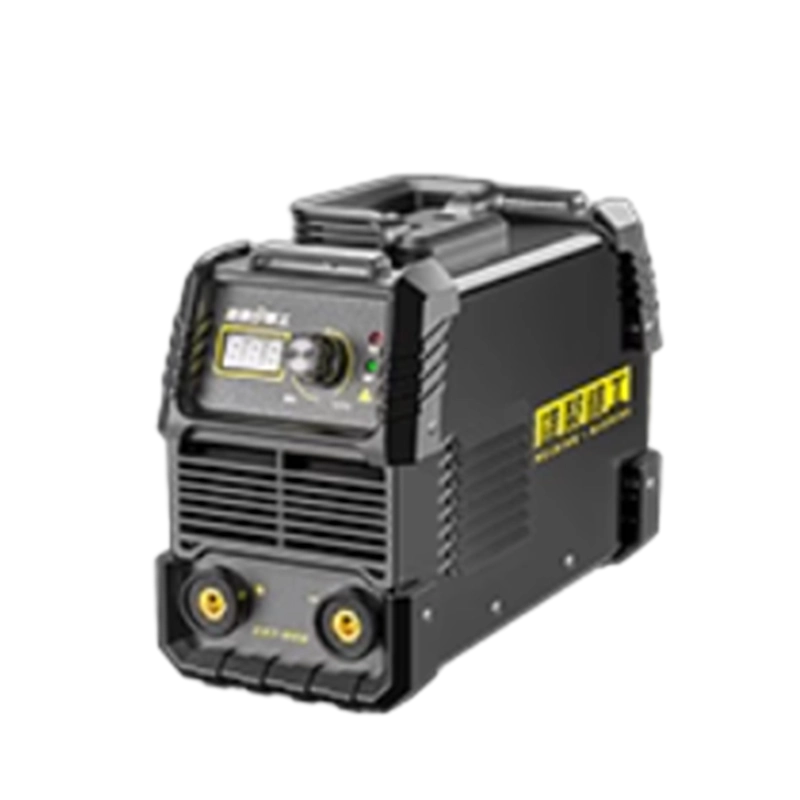
Engineered for good performance and reliability, this Powerful Industrial Welding Machine is a g...
Understanding the Main Components of a Welding Torch Different welding processes require different torch structures. MIG welding torches, TIG welding torches, and plasma cutting to...
READ MOREA covered electrode looks like a short steel stick with a textured jacket, and that jacket is where much of the product's performance lives. Buyers sourcing electrodes for distribu...
READ MORELeather Selection Shapes Heat-Resistant Welding Gloves' Characteristics Leather is widely used in welding glove production because of its physical properties, flexibility, and abil...
READ MOREIn industrial settings where metal parts must stay firmly in place, a solid holding solution makes daily work smoother. Many buyers looking for durable magnetic tools turn to optio...
READ MOREFrom on-site repairs to large-scale engineering projects, efficient, safe, and flexible welding equipment is becoming a key focus for businesses of all types. Recently, several welding machine products have generated significant discussion within the industry, including Portable Welding Machines, Heavy-Duty Welding Machines, and Multifunctional Welding Machines, showcasing the advantages and development trends of welding equipment in different application scenarios.
Portable welding machines are widely used in on-site construction, maintenance, and small-scale processing tasks due to their lightweight design and ease of operation.
Industry experts say that the advantage of portable welding machines lies in the "combination of flexibility and efficiency," especially suitable for scenarios where large equipment cannot be moved. At the same time, modern portable welding machines have significantly improved in power and stability, meeting the welding needs of various metal materials.
Compared to portable welding machines, heavy-duty welding machines are suitable for long-term, high-power, and high-precision industrial welding needs.
In large-scale industrial projects, heavy-duty welding machines have become an indispensable core equipment. They not only improve production efficiency but also provide guarantees in terms of safety and welding quality. For example, in bridge construction, shipbuilding, and steel structure construction, heavy-duty welding machines can perform high-strength welding, ensuring structural stability and service life.
With the diversification of industrial needs, multifunctional welding machines are gradually becoming a new highlight in the welding market.
The advantage of multi-functional welding machines lies in saving equipment investment and space costs while meeting diverse processing needs. For small and medium-sized enterprises, these devices can perform various metal processing tasks with limited resources, improving overall production efficiency.
| Welding Machine Type | Main Features | Typical Applications | Ease of Operation | Power Range |
| Portable Welding Machine | Lightweight, easy to carry | Pipe repair, small-scale processing | High | Low to Medium |
| Heavy-duty Welding Machine | High power, continuous operation | Large-scale construction, steel structures, machinery manufacturing | Medium | High |
| Multi-functional Welding Machine | Multiple welding modes, expandable functions | Manufacturing workshops, repair factories, training | High | Medium to High |
As can be seen from the table, different welding machines have their own advantages in terms of application scenarios, ease of operation, and power output. Companies can choose the more suitable combination of welding equipment based on their specific needs.
Intelligent and Digital
Energy Saving and Environmental Protection
Modular and Multi-functional
On-site Convenience
Industry analysts point out that with the upgrading of the manufacturing industry and the growing demand for infrastructure construction, the welding machine market is showing a diversified development trend. Portable welding machines, heavy-duty welding machines, and multi-functional welding machines each have their own advantages in different fields, while also promoting the development of welding technology towards efficiency, intelligence, and environmental protection.
At the same time, with technological advancements, the operating interface of welding equipment is becoming more user-friendly, and the introduction of intelligent control and automation functions makes welding operations safer and more convenient. Companies can achieve a dual improvement in production efficiency and processing quality by rationally configuring different types of welding machines.
Portable welding machines, heavy-duty welding machines, and multi-functional welding machines represent the development direction of modern welding equipment. Portable welding machines are flexible and convenient, suitable for on-site maintenance and small-scale processing tasks; heavy-duty welding machines have high power and strong continuous operation capabilities, making them core equipment for large industrial projects; multi-functional welding machines integrate various welding methods, meeting diverse processing needs.

Email:
siogeewelding@gmail.com
Whatsapp:
+86 13305885557
Phone:
+86 17377705924
Get In Touch
Product Center
Get In Touch
