
 English
 中文简体
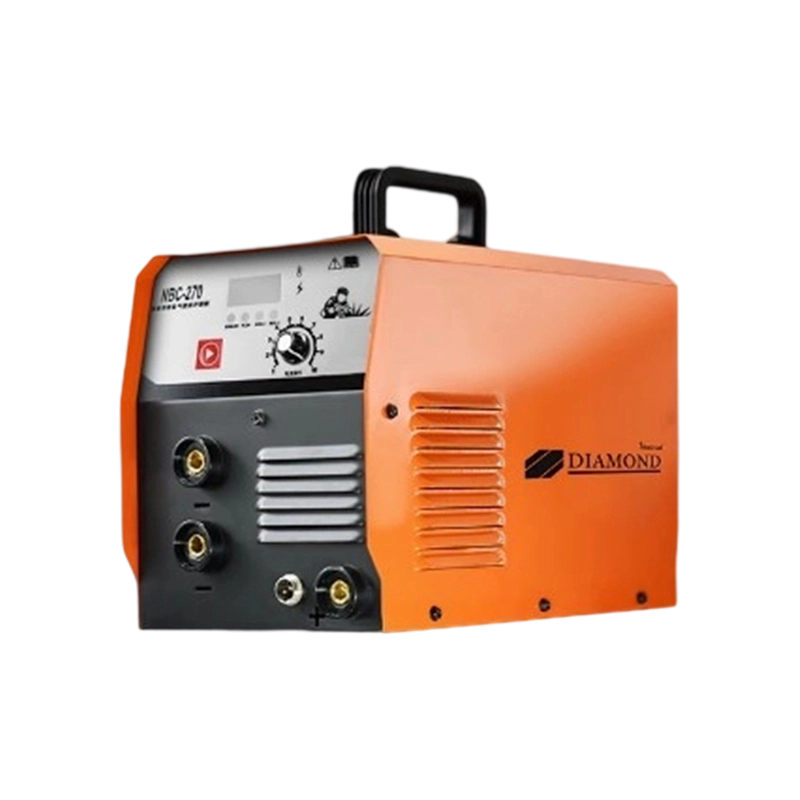
Engineered for good performance in demanding industrial environments, the Professional Orange Weldin...
A covered electrode looks like a short steel stick with a textured jacket, and that jacket is where much of the product's performance lives. Buyers sourcing electrodes for distributors, fabrication shops, or construction supply programs are effectively choosing a welding rod supplier's process capability, because the coating formulation and the way it is applied determine arc stability, slag behavior, and shelf life. Understanding the manufacturing sequence gives purchasing teams a concrete set of questions to bring to a supplier conversation.
Core Wire: The Conductive Backbone
Every covered electrode begins with a core wire, drawn from steel rod to a controlled diameter. The wire's chemistry affects the deposited weld metal, and its diameter sets the current range the electrode will run at. A welding rod supplier drawing its own core wire controls diameter tolerance and surface cleanliness, both of which influence how evenly the coating adheres.
Surface condition matters more than it might appear. Oil, scale, or rust on the core wire interferes with coating adhesion and can introduce hydrogen into the weld deposit. Suppliers typically clean or descale the wire before coating, and buyers can ask how incoming wire is inspected. A supplier that checks wire diameter and surface condition per lot is protecting the downstream coating step.
Flux Formulation and Mixing
The coating—often called flux—is a formulated mixture of minerals, alloys, and binders. Rutile, cellulose, calcium carbonate, and ferroalloys appear in various combinations depending on the electrode classification. Each ingredient contributes to arc behavior, shielding gas generation, or slag characteristics, and the proportions are the formulator's core intellectual property.
Mixing is a wet process. The dry ingredients are blended with a silicate binder to form a paste with a defined viscosity. That viscosity governs how the paste behaves during extrusion, and it shifts with temperature and moisture. A welding rod supplier that monitors paste viscosity and adjusts binder addition accordingly produces coatings with consistent thickness, which in turn keeps burn-off behavior predictable from rod to rod.
Extrusion and Coating Thickness
The paste is applied by extrusion, pressed through a die around the core wire as it travels through the machine. Concentricity is the key variable: the coating must be even around the wire's circumference. An eccentric coating burns unevenly, causing arc wander and inconsistent penetration on one side of the joint.
Coating thickness itself is controlled within a range specified for each electrode type. Thickness affects how much shielding gas the coating generates and how the arc behaves, so a supplier measuring coating weight per unit length is verifying the product's functional core. Buyers can ask whether thickness is checked continuously during extrusion or sampled per batch.
Packaging and Moisture Protection
The finished product's packaging is part of its performance. Moisture-sensitive electrodes ship in sealed containers, often with desiccant, and the seal integrity determines whether the baking effort survives the journey. Buyers receiving shipments in humid climates should confirm the packaging specification with their welding rod supplier, including container material and closure method.
Labeling completes the package. Clear identification of the electrode classification, diameter, and lot number allows the end user to match the product to the procedure. A supplier that prints lot numbers legibly and keeps production records tied to those numbers is offering traceability, which is a practical benefit when a fabrication shop needs to confirm what it used on a job.