

 English
 中文简体
中文简体Don't hesitate to send a message
Engineered for precision and durability, the Professional National Standard Stainless Steel Stra...
Gas cutting torches are indispensable tools in metalworking and industrial applications, enabling precise and efficient thermal cutting of ferrous and non-ferrous metals. These torches operate on the principle of localized combustion, utilizing a mixture of oxygen and a fuel gas—such as acetylene, propane, or natural gas—to generate a high-temperature flame. The intense heat melts the metal at the cutting point, while a high-pressure stream of oxygen blows away the molten material, creating clean, controlled cuts. This process is widely employed in construction, welding, manufacturing, and repair industries for tasks ranging from shaping structural steel to fabricating intricate components.
The design and functionality of gas cutting torches vary to suit different operational needs. Manual torches, often lightweight and ergonomically designed, are favored for flexibility and precision in smaller workshops or fieldwork. These tools require skillful handling to achieve accurate cuts but offer good adaptability for bespoke projects. In contrast, machine-mounted or CNC-integrated torches are built for automation, excelling in high-volume production environments where consistency and efficiency are important. These systems are integrated into automated cutting tables or robotic arms, delivering rapid, repeatable cuts across large-scale industrial applications.
Gas cutting torches are categorized by their material compatibility, with specialty tips or configurations available for specific metals such as stainless steel, aluminum, or cast iron. While oxy-fuel torches are the common, certain variants are optimized for use with alternative gas mixtures to enhance performance or reduce operational costs. Modern torch designs prioritize user safety and convenience, incorporating features such as heat-resistant materials, ergonomic handles, and modular components for easy maintenance. Additionally, advanced torches may include adjustable flame controls to fine-tune the cutting process for varying material thicknesses, from thin sheets to structural beams.
These tools are essential in diverse industries, including automotive repair, shipbuilding, and metal fabrication, where their versatility and efficiency streamline production workflows. By combining portability, precision, and adaptability, gas cutting torches remain a cornerstone of metalworking technology, offering reliable solutions for both professional and industrial applications. Their ability to deliver consistent, high-quality results across a wide range of materials and project scales underscores their enduring relevance in contemporary manufacturing and construction sectors.
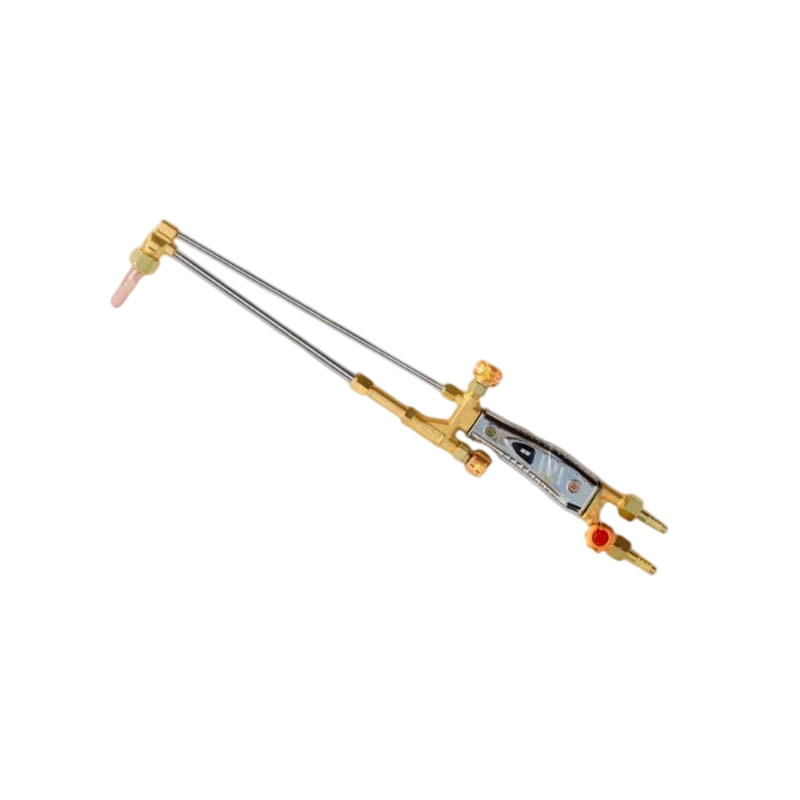
Engineered for precision and durability, the Professional National Standard Stainless Steel Stra...
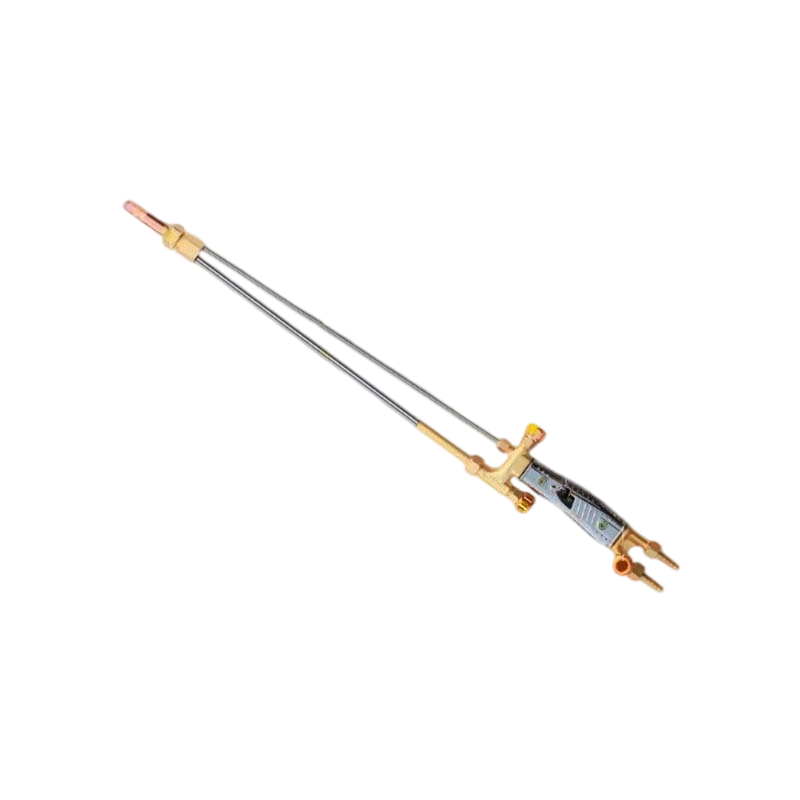
The Precision Valves National Standard Stainless Steel Gas Cutting Torch is an engineering marve...
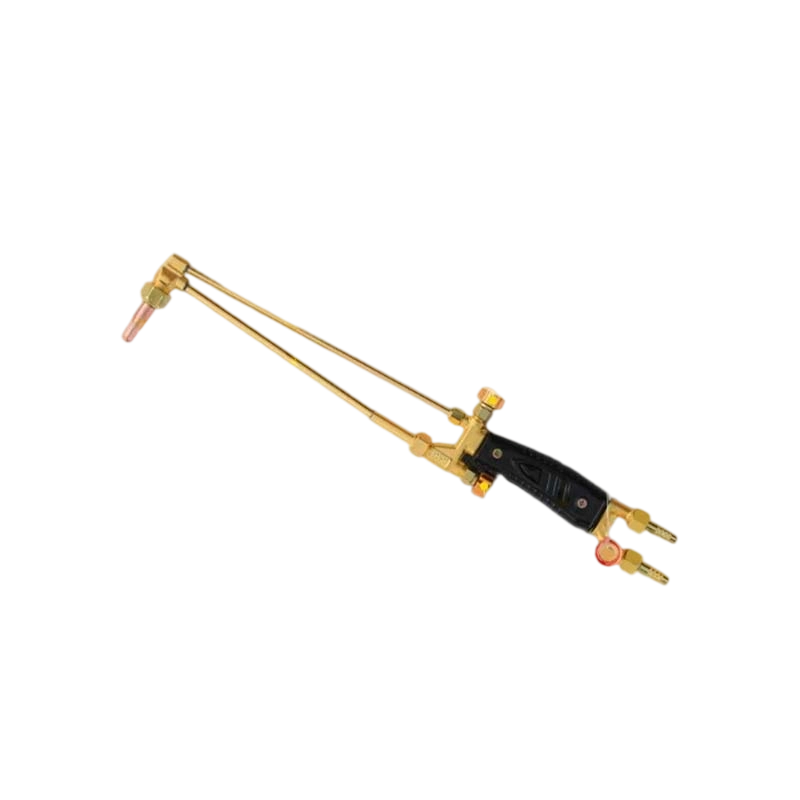
The National Standard Red Copper Gas Cutting Torch is a good-grade tool engineered for precision...
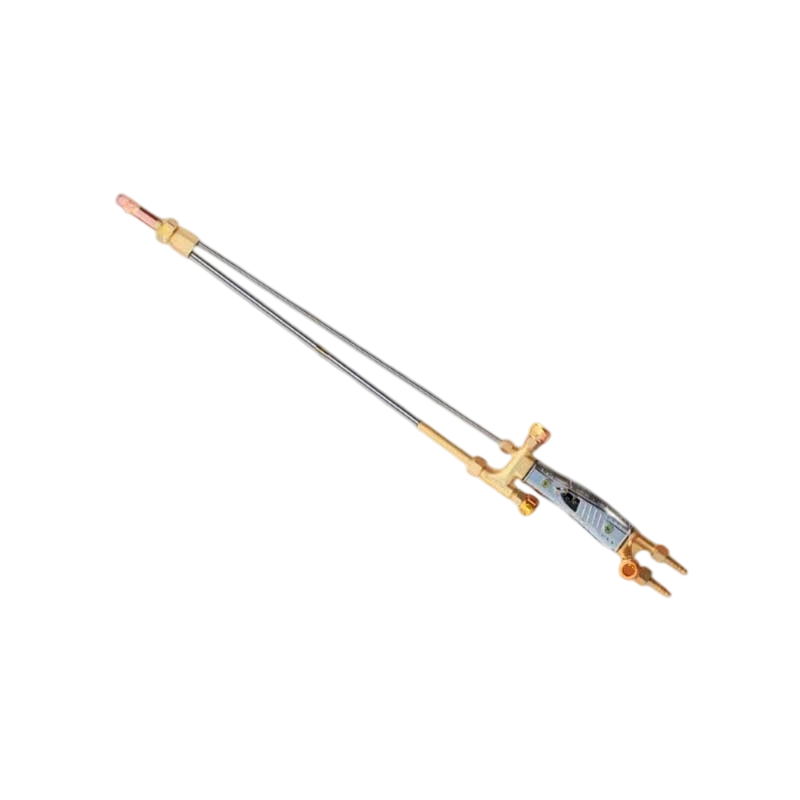
The National Standard Stainless Steel Straight Head Gas Cutting Torch is a robust and versatile ...
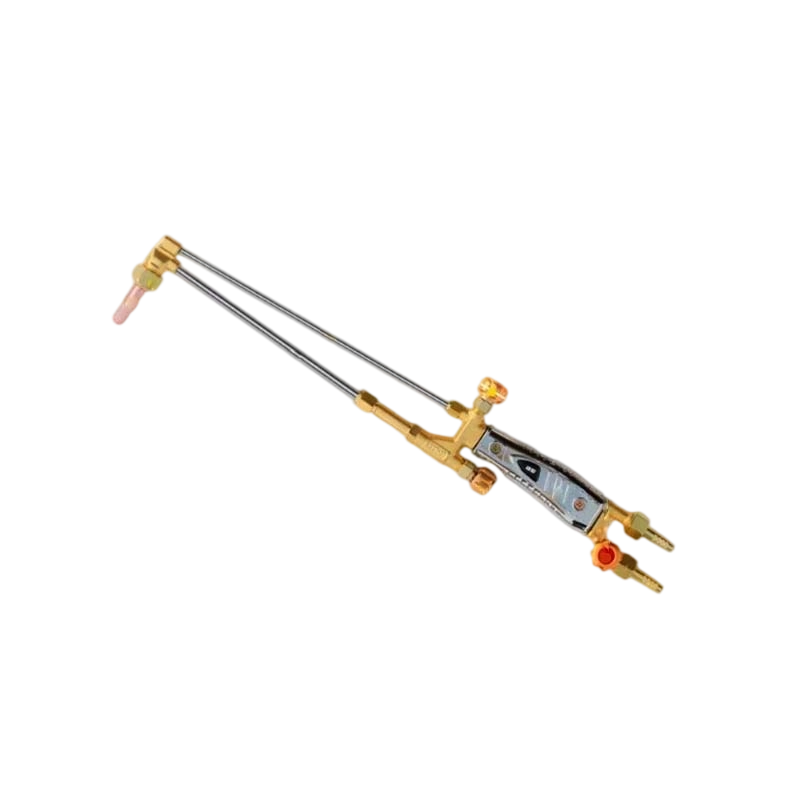
Engineered for precision and durability, this dual-fuel gas cutting torch is a reliable solution...
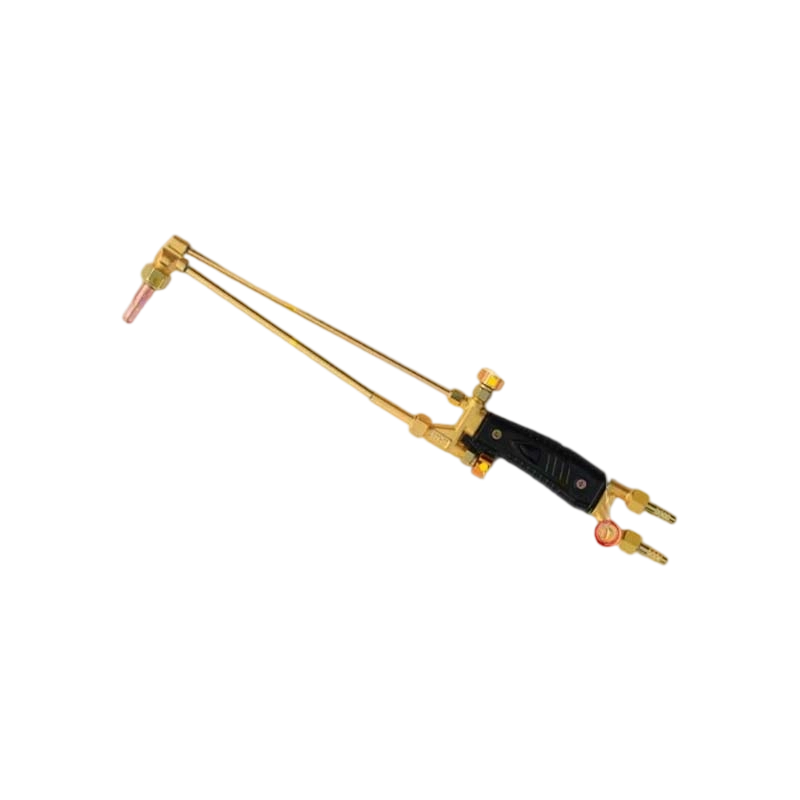
Elevate your metalworking projects with the Precision-Engineered National Standard Red Copper Ga...
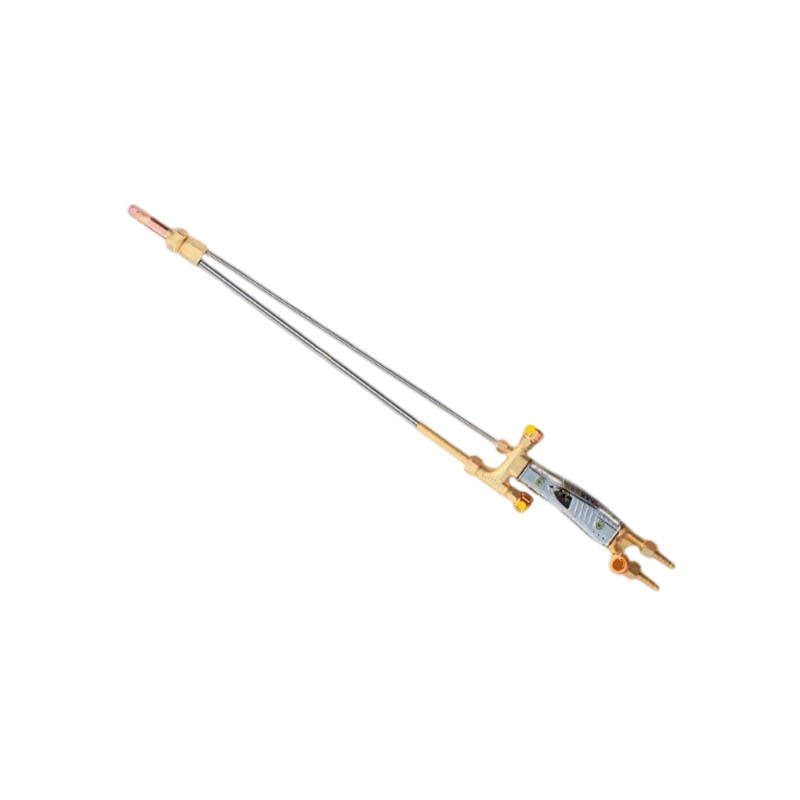
The Precise Valve Control National Standard Stainless Steel Straight Head Gas Cutting Torch is a...
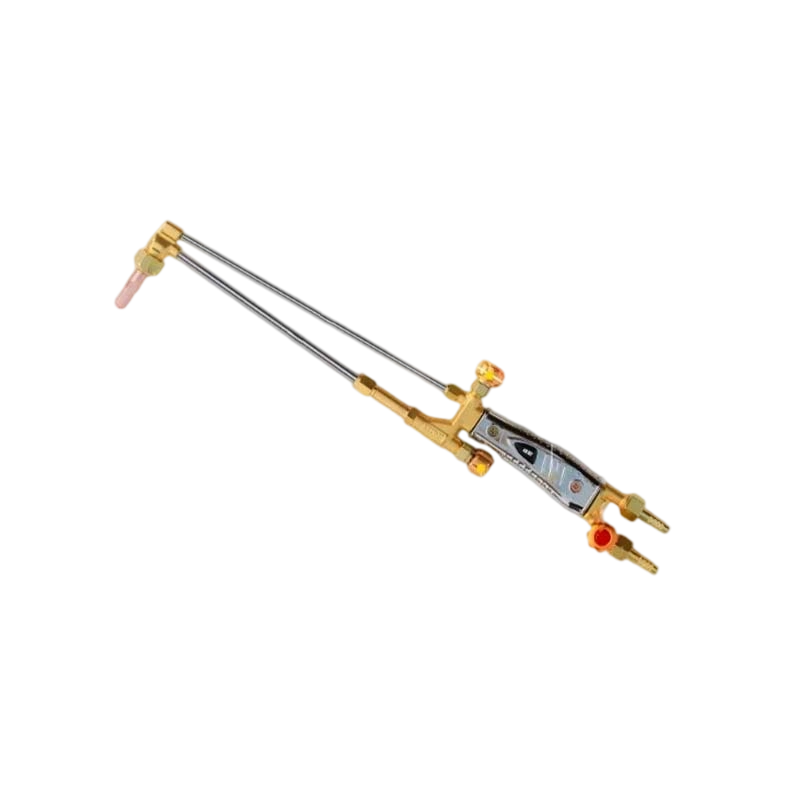
Crafted from high-grade stainless steel, this cutting torch ensures durability, corrosion resist...
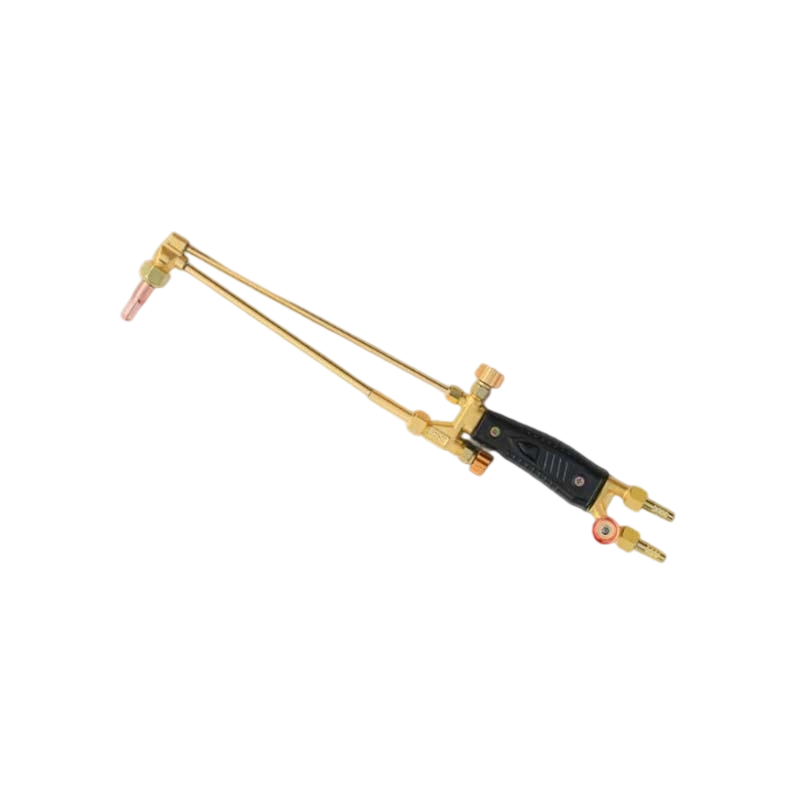
The Precision Nozzle National Standard Red Copper Gas Cutting Torch is a high-performance tool d...
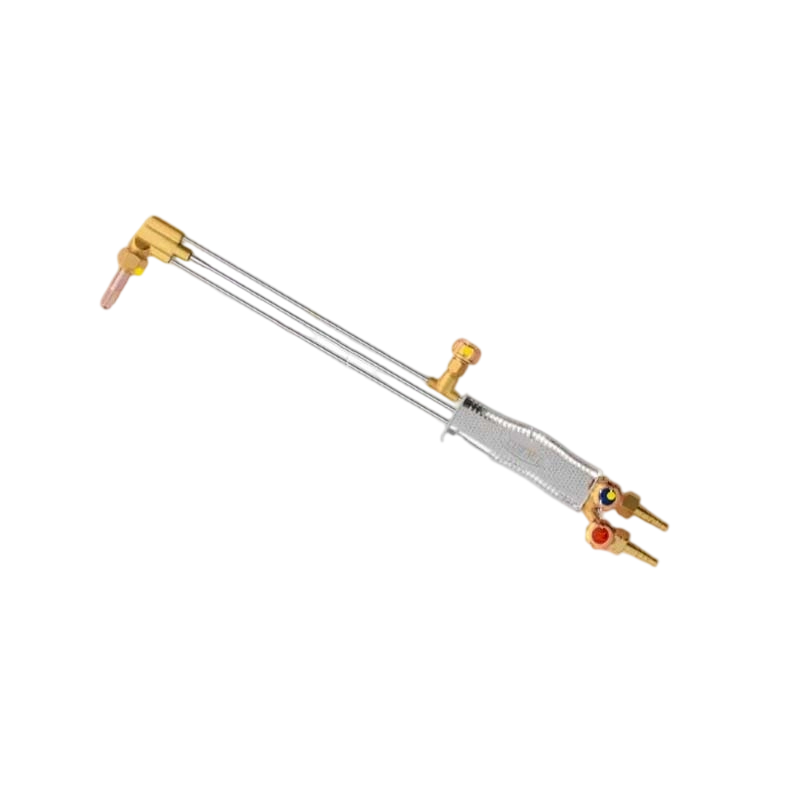
Engineered for professionals who demand efficiency and durability, the Compact Ergonomic Nationa...
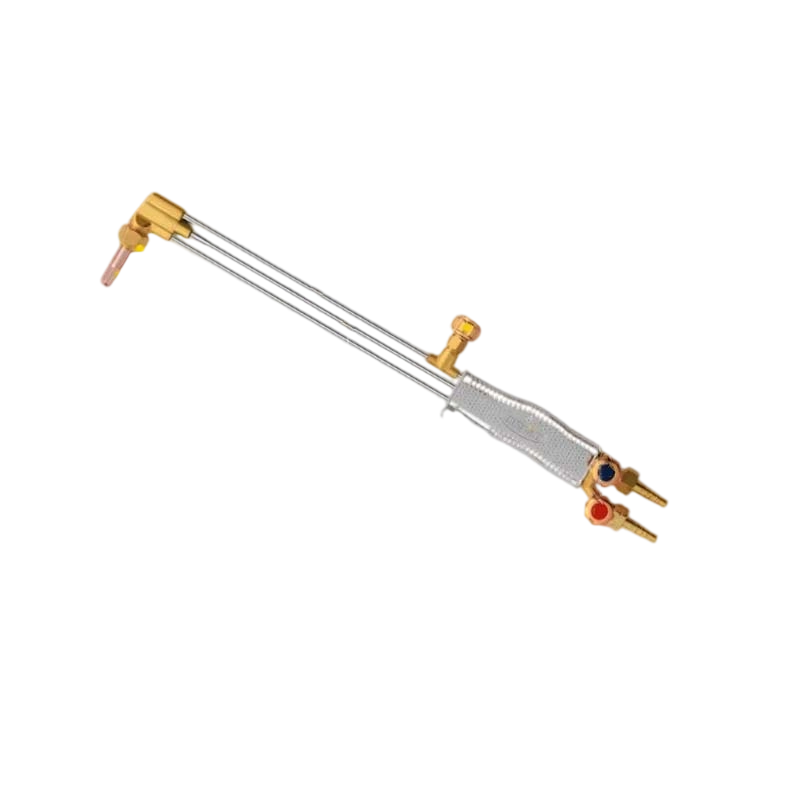
The High-Temperature Resistant National Standard Stainless Steel Three-Tube Gas Cutting Torch is...

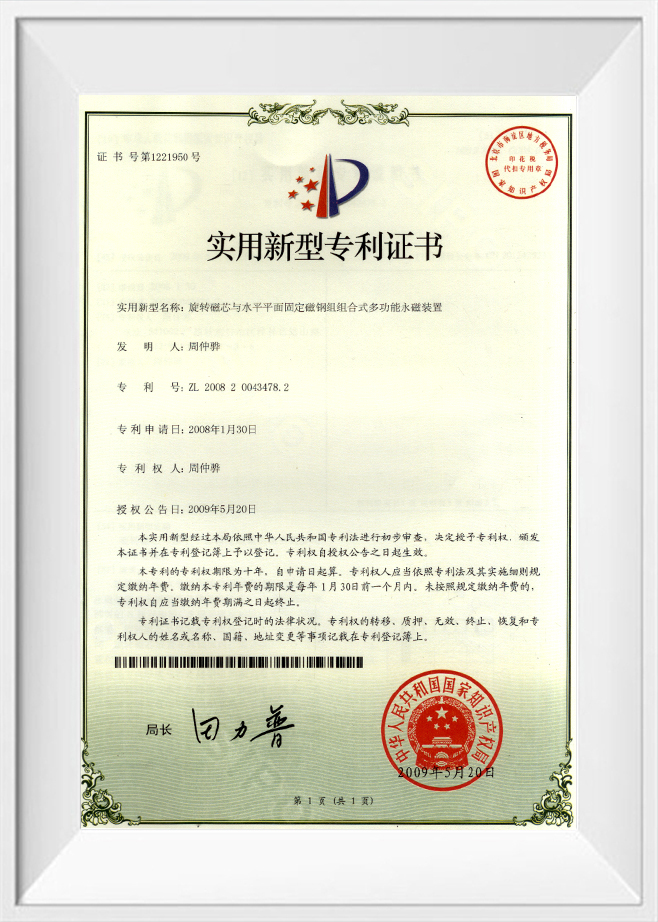
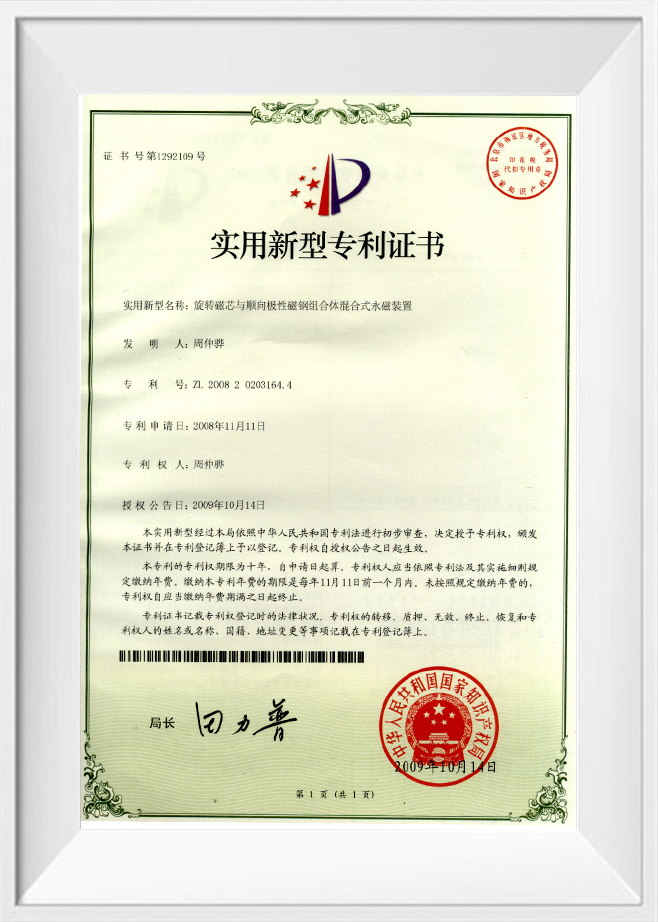
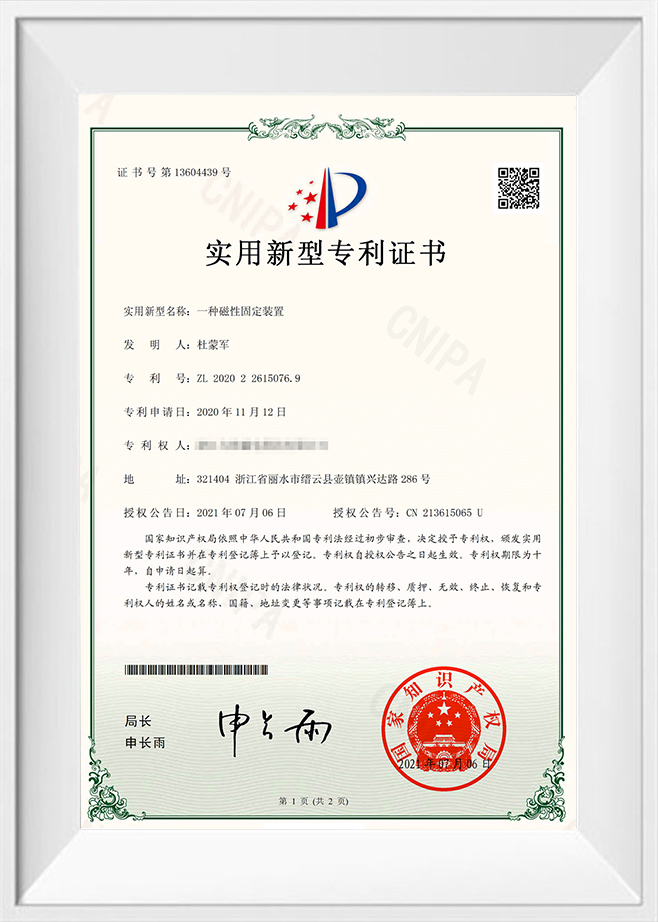
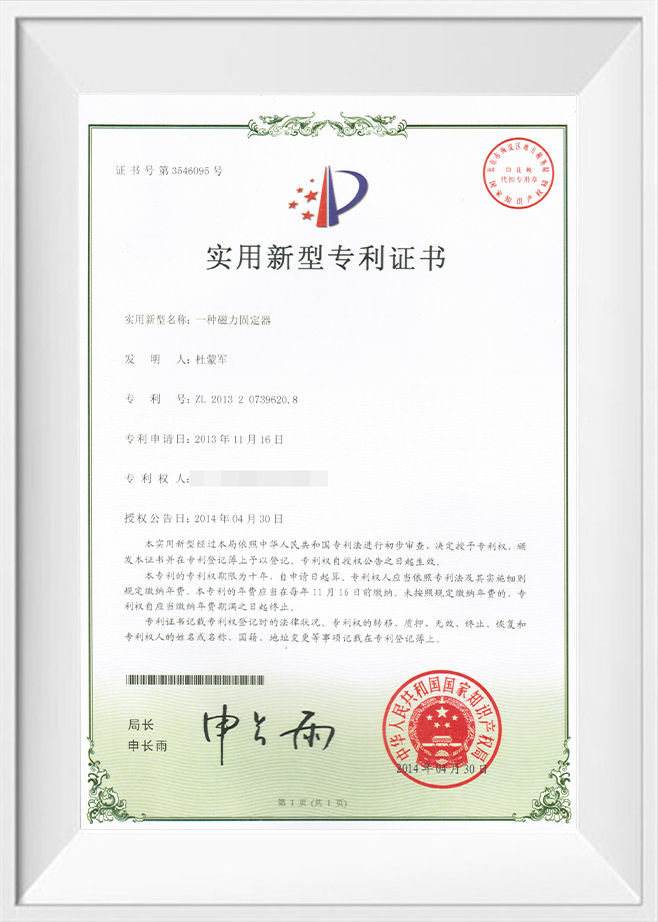
Sparks fly, machines hum, and row after row of dark lenses move steadily down assembly lines. A welding goggles factory looks busy from the outside, yet the real story unfolds in s...
READ MOREProtective Welding Helmet stands as essential gear in any welding environment. Workers rely on it to shield eyes and face from intense light, sparks, and heat during arc processes....
READ MOREA welded magnet is a small assembly with a straightforward job: hold, position, or align another object. It combines a magnet with a welded metal housing or bracket, creating a uni...
READ MOREIn metal fabrication and industrial processing, plasma cutting equipment plays an important role in handling conductive metals. As manufacturers, distributors, and equipment integr...
READ MOREGas cutting torches are indispensable equipment in metal cutting processes. They use a mixture of combustible gas and oxygen to produce a high-temperature flame, enabling precise metal cutting. As industrial processing demands for efficiency and precision increase, the types and functions of cutting torches have also become more diverse.
A gas cutting torch is a tool that mixes oxygen with a combustible gas (such as acetylene, propane, liquefied petroleum gas, etc.) and ignites the mixture to cut metal with a flame. It has the following characteristics:
Gas cutting torches are widely used not only in metal processing, repair, and manufacturing, but also as important tools in teaching and experiments.
A gas cutting torch typically consists of the following parts:
Through reasonable structural design, the torch can meet the cutting needs of different thicknesses and types of metals.
A stainless steel gas cutting torch is a torch specifically designed for cutting stainless steel and similar alloy metals. Its characteristics are mainly reflected in its high-temperature resistance, corrosion resistance, and stability.
When using a stainless steel welding torch, attention should be paid to the proper matching of flame temperature and oxygen flow rate to avoid overheating and oxidation of the cutting edge.
Copper gas cutting torches are known for their good thermal and electrical conductivity, making them suitable for cutting applications requiring rapid heat transfer.
Copper torches require regular cleaning of the nozzle and internal tubing to prevent metal residue or oxides from clogging and affecting cutting quality.
Correct usage can improve cutting accuracy and extend the torch's lifespan. The main steps are as follows:
Gas cutting torches involve high-temperature flames and flammable gases during use, so safety measures are crucial:
Following operating procedures can effectively reduce the risk of fire and operational injuries.
Routine maintenance of the torch can significantly extend its lifespan and ensure cutting quality.
There are differences in the maintenance of stainless steel and copper welding torches. Stainless steel welding torches focus on corrosion prevention, while copper welding torches focus on preventing blockages and wear.
With the continuous improvement of precision and efficiency in industrial manufacturing, the application of gas cutting torches in the metal processing industry will become even more widespread.
Gas cutting torches play an irreplaceable role in metal processing. From Stainless Steel Gas Cutting Torches to Copper Gas Cutting Torches, different materials of torches are suitable for different metal cutting scenarios.

Email:
siogeewelding@gmail.com
Whatsapp:
+86 13305885557
Phone:
+86 17377705924
Get In Touch
Product Center
Get In Touch
