
 English
 中文简体
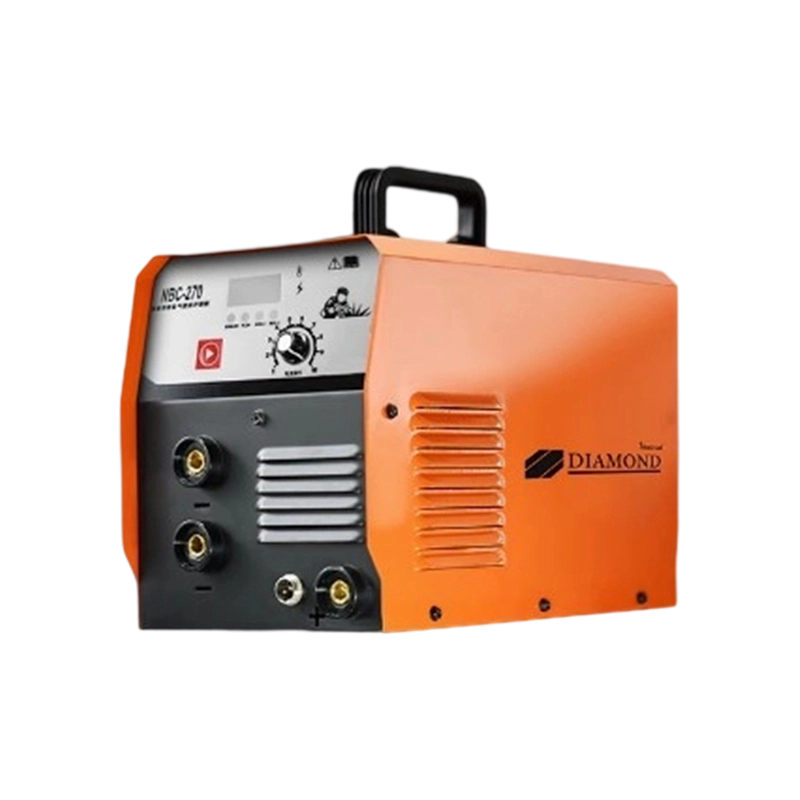
Engineered for good performance in demanding industrial environments, the Professional Orange Weldin...
In industrial settings where metal parts must stay firmly in place, a solid holding solution makes daily work smoother. Many buyers looking for durable magnetic tools turn to options built with a welded body. A Welded Magnet offers a practical answer for factories handling steel sheets, pipes, plates, and assemblies.
Understanding the Construction Approach
A Welded Magnet starts with structural steel parts that are shaped on CNC machines and then joined by welding. This creates a continuous outer shell instead of relying on bolts or screws. The welded seams reduce the chance of parts loosening over time under vibration or repeated use. Inside the housing sit permanent magnetic elements, often rare-earth materials or ferrite cores, carefully positioned to deliver consistent holding force across the working face.
The absence of bolted joints means fewer points where dirt, heat, or mechanical stress can create weaknesses. Buyers who handle heavy fabrication or repetitive positioning tasks often notice that a Welded Magnet keeps its shape and performance longer in busy workshops. The outer steel can also receive protective plating or coatings that resist everyday shop conditions without adding complex features.
How Production Steps Shape the Final Product
Manufacturing begins with material preparation. Steel plates and sections are cut and machined to precise dimensions. Workers then align the pieces and apply controlled welding to form the complete housing. After the shell cools and is cleaned, the magnetic cores go in. Some designs include simple handles or finger holes for easier placement and removal. Final checks confirm that the magnetic field remains even and that the outer surfaces stay flat for reliable contact with workpieces.
This process supports both standard sizes and custom shapes. Factories that need magnets for specific angles or longer contact lengths can request tailored versions. The welded approach also allows thicker walls when higher loads are expected, giving procurement teams flexibility without changing the basic product concept.
Everyday Uses Across Industrial Sites
On the shop floor a Welded Magnet holds sheet metal at right angles for tacking, keeps pipes aligned during circumferential welds, or secures plates while operators complete longer seams. In assembly lines it can act as a temporary fixture that frees both hands, reducing the need for bulky clamps. Automotive body shops, structural steel fabricators, and equipment builders all find room for these tools when quick setup and steady positioning matter.
Because the housing is continuous, the magnet tolerates the heat and sparks that appear near welding arcs better than designs with multiple small fasteners. Operators simply place the unit, check the angle, and proceed. After the joint cools, the magnet releases cleanly, ready for the next piece. This cycle repeats throughout a shift, supporting steady throughput.
For overseas buyers sourcing magnetic holding solutions, focusing on the welded construction provides a clear path to tools that hold up under real workshop conditions. A carefully chosen Welded Magnet supports accurate positioning, reduces setup friction, and fits smoothly into both small-batch and higher-volume production. By examining material quality, magnetic performance, and supplier responsiveness, purchasing managers can bring in components that match the daily rhythm of their manufacturing operations.