

 English
 中文简体
中文简体Don't hesitate to send a message
Elevate your welding projects with our 201 Stainless Steel Welding Wire, engineered for professi...
Stainless steel welding wire is a specialized consumable material widely used across industries for joining, repairing, or fabricating stainless steel components and other compatible alloys. This product is engineered to ensure good performance in various environments, offering high corrosion resistance, mechanical strength, and temperature tolerance—key properties of stainless steel. The versatility of stainless steel welding wire lies in its ability to adapt to diverse applications, from precision industrial tasks to large-scale structural fabrications.
The functionality of stainless steel welding wire extends beyond alloy composition. It is also categorized by application-specific types, such as TIG (Gas Tungsten Arc Welding) filler rods, MIG (Gas Metal Arc Welding) wire, and submerged arc welding (SAW) wires. TIG wires are proper for precision tasks in industries like aerospace or medical devices, where high purity and clean welds are essential. MIG wires are designed for efficient joining in structural steel or automotive repairs, offering balanced deposition rates and ease of use. SAW wires, with their thick diameters, are optimized for heavy-duty applications like pipeline welding or shipbuilding.
In addition to composition and application, the performance of stainless steel welding wire is enhanced by its chemical design. Elements such as chromium and nickel enhance corrosion resistance, while silicon and manganese improve weldability and slag release. Additives may be introduced to address specific environmental challenges, such as chloride resistance or high-temperature durability. These features ensure that the weld joints maintain structural integrity and longevity, even under harsh operational conditions.
By offering a wide range of options tailored to different metallurgical needs and application requirements, stainless steel welding wire serves as a critical enabler in modern manufacturing. Its adaptability to manual and automated welding processes makes it an indispensable material across industries, supporting the creation of durable, high-performance components in industries such as construction, energy, automotive, and general manufacturing.
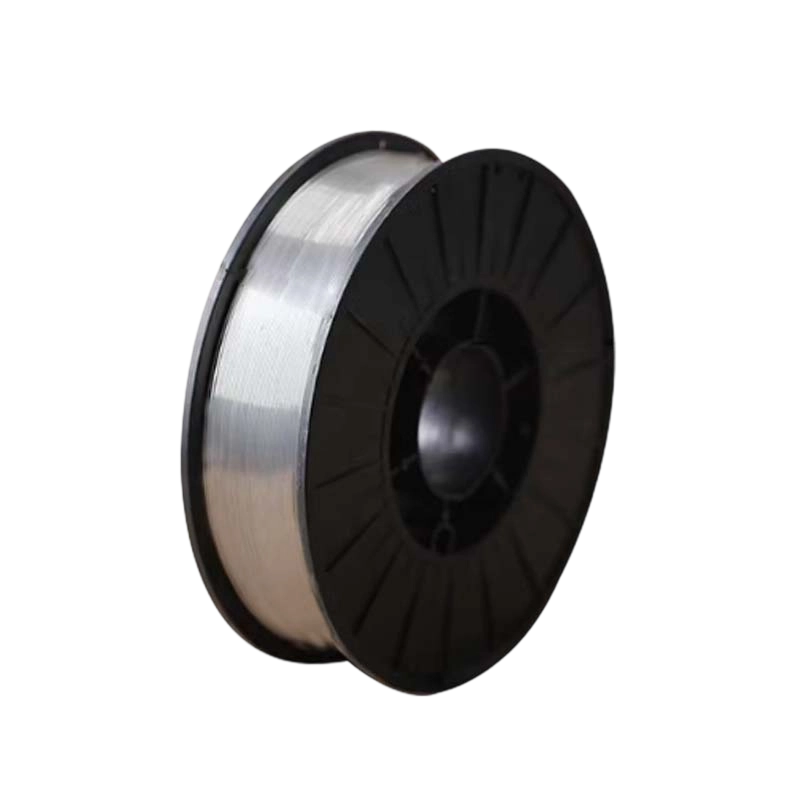
Elevate your welding projects with our 201 Stainless Steel Welding Wire, engineered for professi...
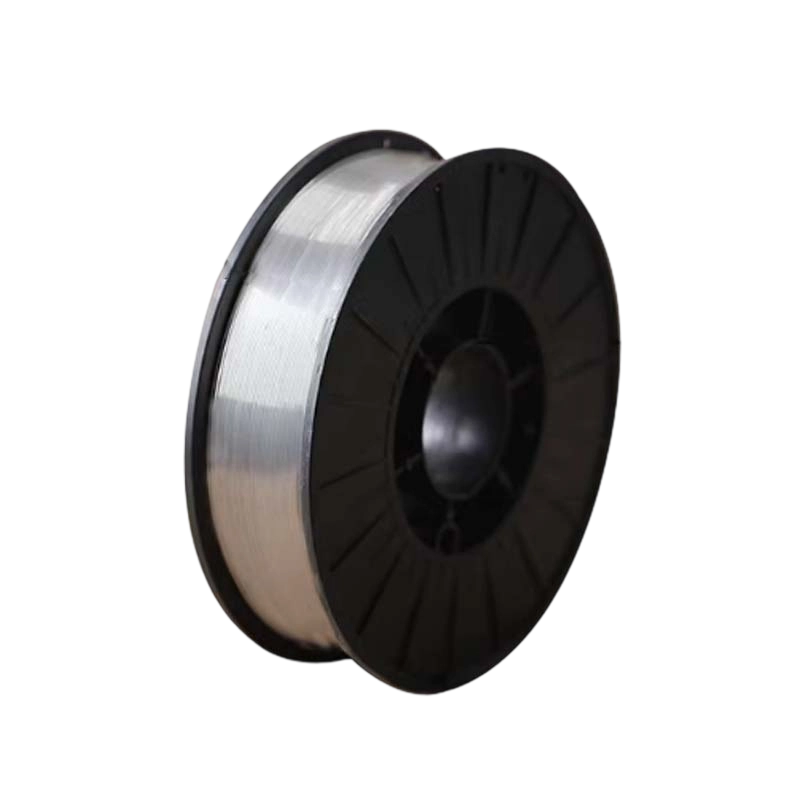
Elevate your DIY welding projects with our good 304 Stainless Steel Welding Wire, designed for v...
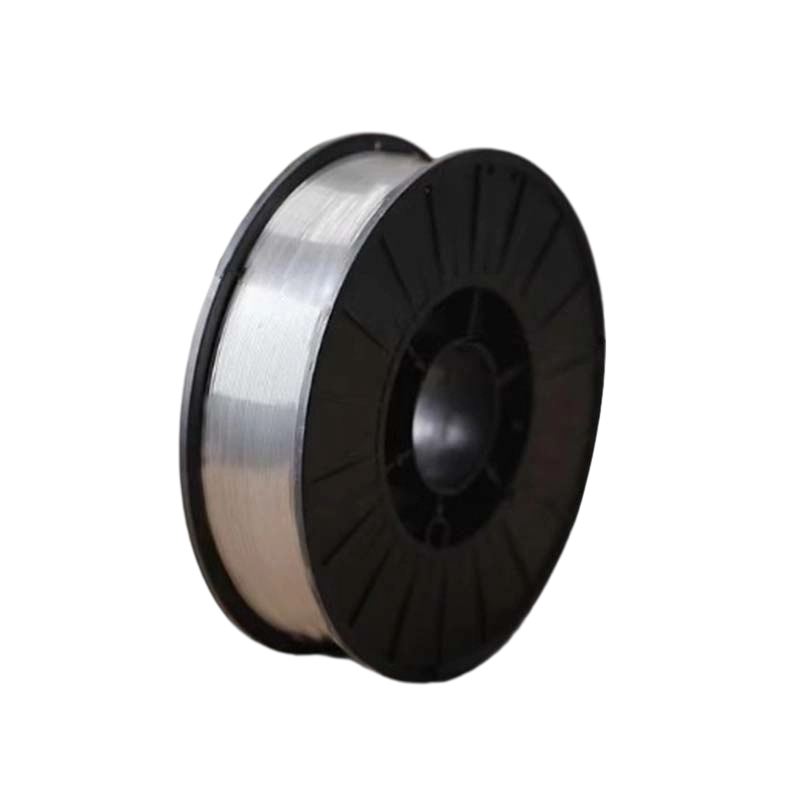
High-Purity 308 Stainless Steel Welding Wire is an advanced welding consumable engineered for go...
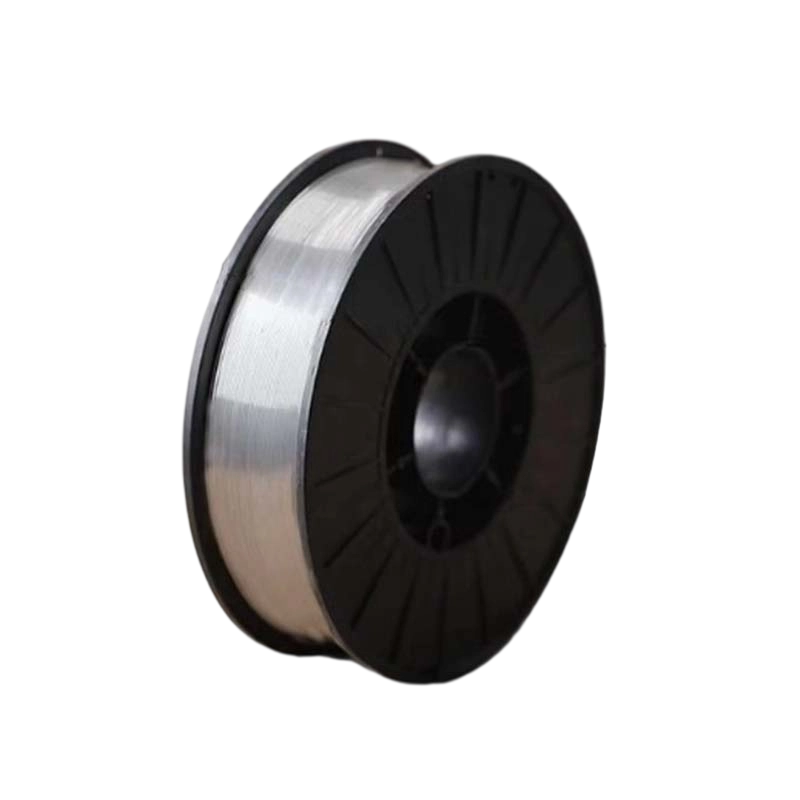
The 309 Stainless Steel Welding Wire is a high-performance filler metal designed for welding sta...
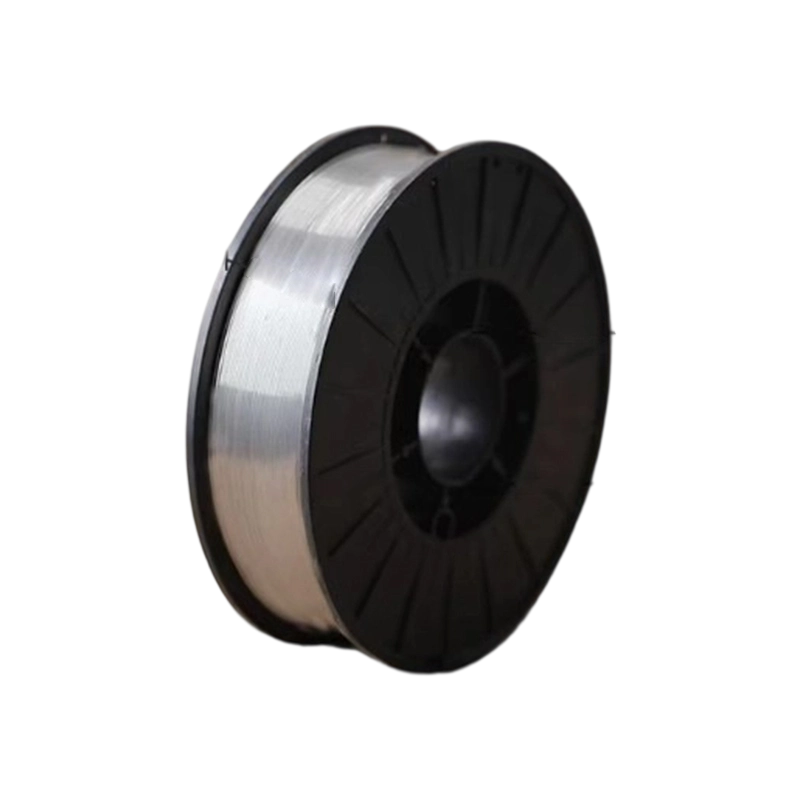
316L Stainless Steel Welding Wire is a high-performance filler material engineered for good corr...
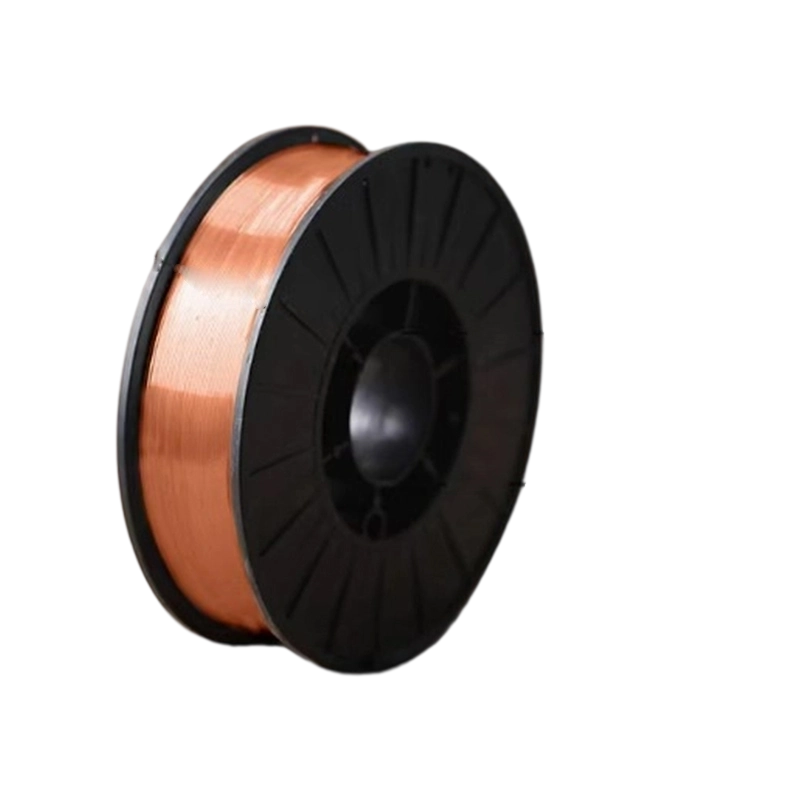
Our Stainless Steel Welding Wire is a good choice for a wide range of industrial welding applica...

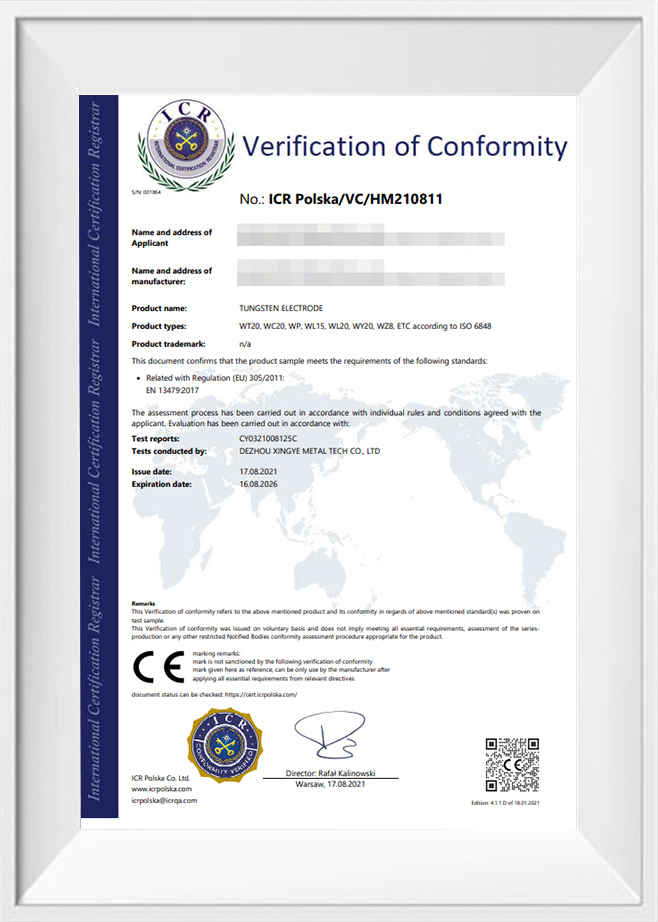
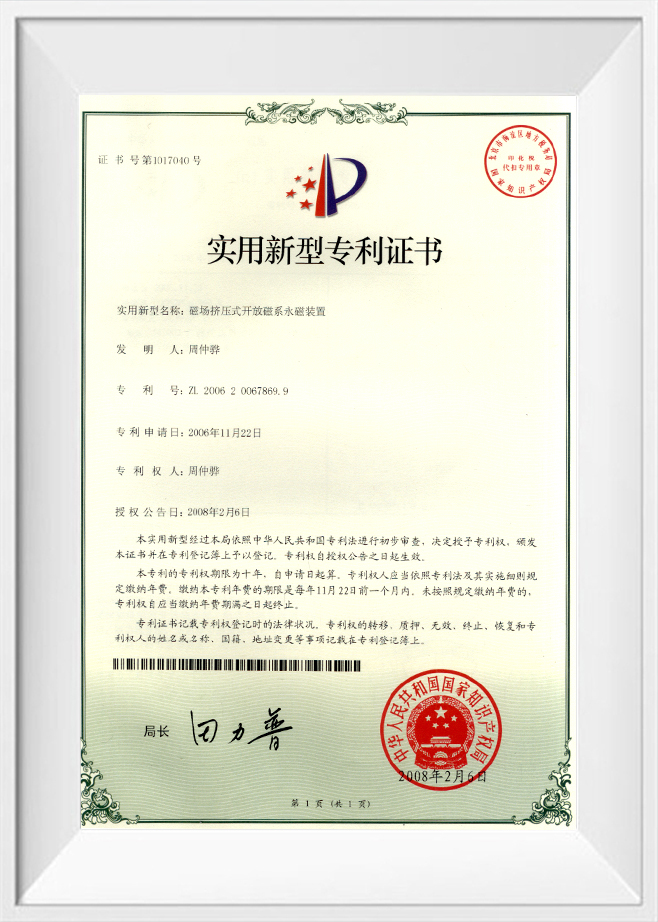
Inside a Welding Goggles Factory A welding goggles factory is a fascinating space where safety meets precision. Workers and machines collaborate to produce goggles that protect eye...
READ MORETIG welding torch factories are central to supplying precise welding equipment for industrial, automotive, and construction applications. Production begins with careful selection o...
READ MOREA Welding Rod Supplier occupies a central position within the metal joining industry. Welding rods, also known as electrodes, form the core consumable element in many welding proce...
READ MOREHeat-Resistant Welding Gloves remain a fundamental part of equipment in fabrication shops, construction sites, and metal repair facilities. In environments where sparks fly and mol...
READ MOREStainless steel welding wire is a commonly used welding material, widely applied in industrial manufacturing, construction engineering, shipbuilding, food processing equipment, and chemical equipment welding. It is primarily used in fusion welding, where the welding wire is fused with the workpiece metal through a molten pool, forming a strong welded joint.
Based on chemical composition and application, stainless steel welding wire is mainly divided into the following categories:
Austenitic welding wire contains high levels of chromium and nickel, possessing good corrosion resistance and ductility, making it suitable for more corrosion-resistant welding applications. Its welds are less prone to cracking after welding, making it suitable for welding food processing equipment and chemical equipment.
Ferritic welding wire mainly contains chromium, exhibiting good stress corrosion resistance and chloride corrosion resistance, suitable for welding pressure vessels and ship components. Heat input needs to be controlled during welding to prevent weld embrittlement.
Martensitic welding wire has high hardness, suitable for welding structural components requiring high strength, such as tools, knives, and mechanical parts. However, its corrosion resistance is relatively low, making it suitable for applications with fewer corrosive environments.
Duplex welding wire combines the characteristics of both austenitic and ferritic stainless steel, possessing both good strength and corrosion resistance, suitable for welding chemical equipment, offshore platforms, and pressure vessels.
Stainless steel welding wire can form a uniform weld after welding, maintaining the overall corrosion resistance of the material. Austenitic and duplex welding wires are particularly suitable for use in humid, acidic, or chlorine-containing environments.
Stainless steel welding wire provides high strength and toughness, and the weld is less prone to fracture under tensile and impact loads. Martensitic welding wire provides higher hardness, suitable for high-strength welding requirements.
Stainless steel welding wire is suitable for various welding methods, including gas shielded welding (MIG/MAG), shielded metal arc welding (SMAW), and tungsten inert gas welding (TIG). Different types of welding wires can be selected according to the welding method to ensure smooth welding.
High-quality stainless steel welding wires ensure flat and smooth welds with good bead formation, reducing subsequent grinding and surface treatment work.
In the food processing and pharmaceutical industries, welding equipment must be corrosion-resistant and easy to clean. Austenitic stainless steel welding wires can be used for welding pipes, tanks, and processing equipment, ensuring hygiene, safety, and long-term use.
Chemical equipment and oil storage tanks need to withstand corrosive liquids and high-temperature and high-pressure environments. Duplex stainless steel welding wires provide a balance of strength and corrosion resistance, extending equipment lifespan.
Stainless steel welding wires can be used for welding building structural components, railings, handrails, and decorative panels. The resulting welds are aesthetically pleasing and strong, meeting safety and aesthetic requirements.
The seawater environment demands high corrosion resistance from materials. Ferritic and duplex welding wires are widely used in the welding of ship structural components and offshore platforms, effectively extending their service life.
Martensitic welding wires are used for welding high-strength parts and mechanical structural components, ensuring the load-bearing capacity and structural stability of the weld.
The chemical composition of the welding wire should match the base metal to prevent hard, brittle, or corrosive problems in the weld. For example, austenitic base metals should use austenitic welding wires or compatible welding wires.
Select welding wire diameter and type based on the welding method. MIG/MAG welding is suitable for using thin-diameter welding wires. Manual arc welding requires selecting the appropriate electrode diameter and coating material to ensure smooth welding.
In marine or chemical environments, duplex or ferritic welding wires with good chloride corrosion resistance should be selected. Welding wire performance should also be considered in high or low-temperature environments.
For applications with high demands on weld appearance, welding wires with good formability and smooth deposition should be selected to reduce post-weld grinding work. V. Precautions for Welding with Stainless Steel Welding Wire
Before welding, the surface of the base metal should be cleaned of oil, rust, and oxides to ensure weld quality.
During welding, the current, voltage, and welding speed should be controlled to prevent overheating of the weld or deformation of the base metal, ensuring the stability of the welded structure.
In gas shielded welding, a suitable stainless steel shielding gas (such as argon or argon mixture) should be selected to prevent weld oxidation and porosity.
For martensitic welding wires or thick plate welding, appropriate preheating can reduce the occurrence of welding cracks, and post-weld heat treatment should be performed if necessary to relieve stress.
For large-area or thick plate welding, multi-layer welding and symmetrical welding sequences should be adopted to reduce welding deformation and stress concentration.
Stainless steel welding wire, as an important component of welding materials, plays an irreplaceable role in industrial manufacturing. Selecting the appropriate stainless steel welding wire based on different base metal types, welding methods, and application environments can ensure weld quality, corrosion resistance, and structural stability.

Email:
siogeewelding@gmail.com
Whatsapp:
+86 13305885557
Phone:
+86 17377705924
Get In Touch
Product Center
Get In Touch
