
 English
 中文简体
中文简体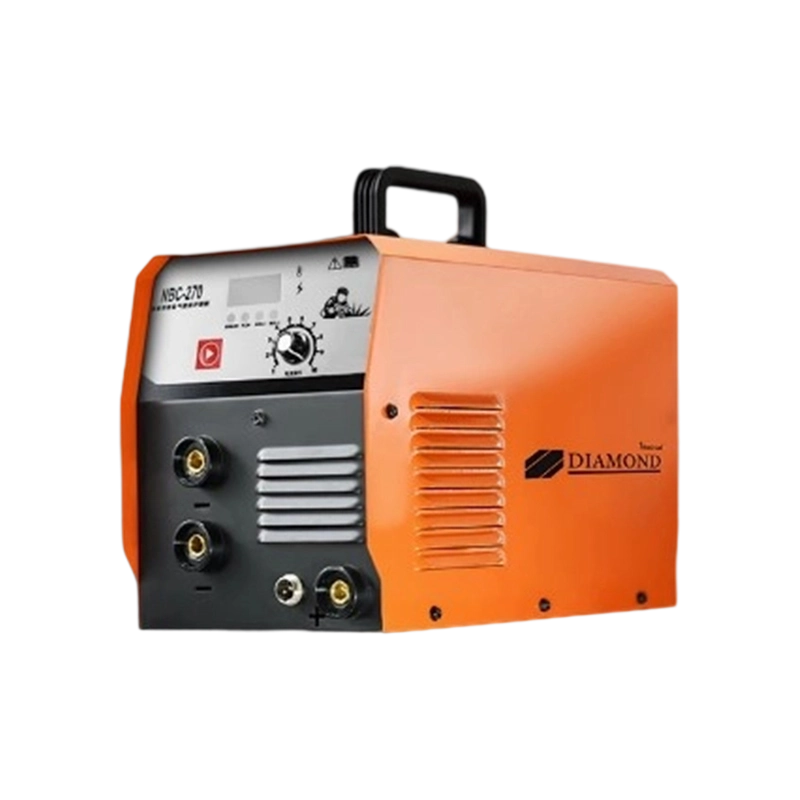
Engineered for good performance in demanding industrial environments, the Professional Orange Weldin...
A Welding Fixture Supplier plays a practical role in metal fabrication and assembly processes, providing tools that help position and secure workpieces during welding. Fixtures are used to hold components in place, maintain alignment, and support repeatable welding results. Their use is common in automotive production, equipment manufacturing, metal frames, and structural assemblies.
The work of a Welding Fixture Supplier often begins with understanding application requirements. Different welding projects demand different fixture designs, depending on part size, joint configuration, and production volume. Some fixtures are simple supports used for manual welding, while others are complex assemblies designed for repetitive industrial operations.
Manufacturing fixtures involves selecting suitable materials such as steel, aluminum, or composite components. These materials are chosen for stability, durability, and resistance to heat generated during welding. Precision machining is often required to ensure accurate positioning of parts during assembly.
Fixture production may include cutting, machining, welding, and surface treatment processes. Components are assembled carefully to maintain alignment and structural integrity. Adjustable elements are sometimes added to accommodate minor variations in workpiece dimensions, supporting flexibility in production.
Testing fixtures before delivery helps confirm their functionality. Fit checks using sample workpieces allow suppliers to verify alignment accuracy and clamping stability. These steps help reduce setup time once fixtures reach the customer’s workshop or production line.
A Welding Fixture Supplier often serves a wide range of customers, from small fabrication shops to large manufacturing plants. Order volumes vary, and suppliers may produce single custom fixtures or multiple identical units for production lines. Clear communication during the design stage helps ensure fixtures meet operational expectations. Suppliers also provide guidance on material selection, adjustability, and setup procedures, helping customers integrate fixtures efficiently into their workflows. Timely delivery and proper documentation further support smooth implementation, reducing installation challenges and improving overall project timelines.
Fixtures contribute directly to workflow efficiency. Proper positioning reduces the need for manual adjustment and helps maintain consistent weld geometry. This can support smoother production flow and reduce the likelihood of rework caused by misalignment. Consistent fixture performance allows operators to complete tasks more quickly and accurately, improving overall productivity. Reliable positioning also helps maintain quality standards across repeated production cycles, reducing material waste and ensuring that final assemblies meet project specifications with minimal interruptions.
Distribution and logistics are part of the supplier’s daily operations. Fixtures are typically shipped as assembled units or in modular sections, depending on size and transport requirements. Packaging focuses on protecting precision surfaces and maintaining alignment during transit.
In practical use, welding fixtures help operators focus on welding technique rather than part positioning. Stable fixtures support repeatable results across multiple production cycles, especially in environments where consistency is valued. Properly designed fixtures can reduce setup time, minimize errors, and improve overall workflow efficiency. Operators benefit from predictable clamping and alignment, which allows them to complete complex assemblies more confidently and maintain steady output across both small-scale and large-scale fabrication projects.
Feedback from users plays a role in fixture refinement. Comments related to setup time, accessibility, or adjustability can guide future design changes. A Welding Fixture Supplier that listens to such feedback can improve usability without altering core fixture functions.
Across fabrication industries, welding fixtures remain tools that quietly support accuracy and repeatability. Supplying stable and practical positioning solutions, welding fixture suppliers help maintain organized production processes and deliver dependable assembly results.