
 English
 中文简体
中文简体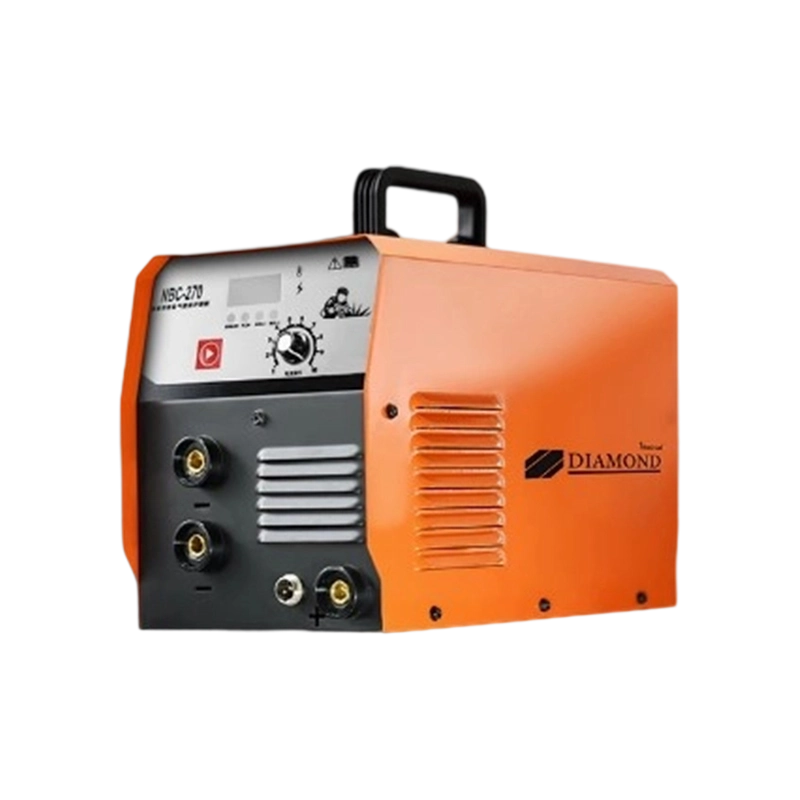
Engineered for good performance in demanding industrial environments, the Professional Orange Weldin...
The Position of a Welding Wire Supplier in Industry
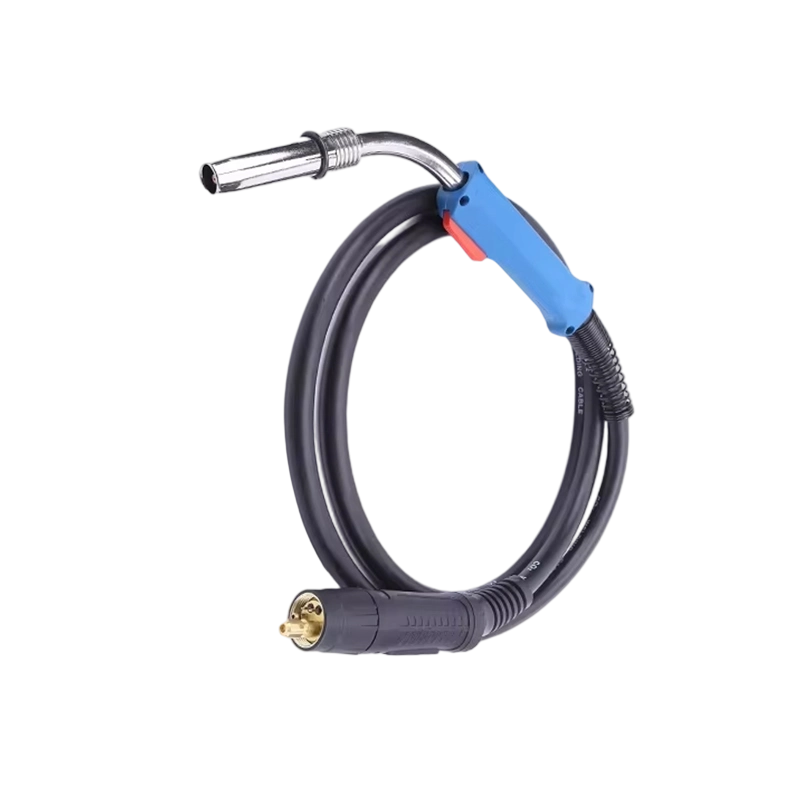
A Welding Wire Supplier provides consumable materials that are essential to metal joining processes. Welding wire serves as the filler material that bonds base metals together, making it a critical element in construction, equipment manufacturing, automotive repair, and fabrication workshops.
Unlike tools that are reused, welding wire is consumed continuously. This creates steady demand and places responsibility on suppliers to maintain consistent output and reliable delivery schedules. Wire quality directly affects arc stability, bead appearance, and welding efficiency.
Types of Welding Wire Offered to the Market
Welding wire suppliers typically offer a broad product range. Carbon steel wire is widely used in structural welding, while stainless steel wire supports applications requiring corrosion resistance. Aluminum wire is common in lightweight fabrication and transportation industries.
Wire diameter options allow welders to select suitable materials for different welding currents and joint designs. Suppliers organize inventory to accommodate both small-scale users and large industrial customers.
Manufacturing Processes Behind Welding Wire
The production of welding wire begins with metal rod preparation. These rods are drawn through a series of dies to achieve precise diameters. During drawing, lubrication and surface treatment help maintain smoothness and reduce feeding resistance during welding. Careful control of drawing speed and tension helps prevent surface defects and uneven wire structure, supporting stable performance during continuous welding operations.
After drawing, the wire may undergo cleaning and coating processes to improve handling and reduce oxidation. Each production step is monitored to maintain consistency across batches. Regular inspections focus on diameter tolerance, surface condition, and mechanical stability, helping ensure the wire performs reliably in different welding environments and equipment setups.
Daily Use in Welding Applications
In daily welding operations, welding wire performance becomes immediately visible. Smooth feeding contributes to stable arc behavior, while consistent wire composition supports uniform weld appearance. Any variation in wire quality can lead to interruptions or rework, affecting productivity and material usage in both manual and automated welding tasks.
For this reason, many users value predictable performance over frequent changes. A Welding Wire Supplier that maintains stable processes supports welding efficiency across different industries, helping operators focus on technique and production schedules rather than material-related adjustments or unexpected downtime.
Market Trends and Industry Adaptation
Market demand for welding wire follows industrial activity. Infrastructure development, equipment production, and repair services all contribute to ongoing wire consumption. Suppliers adjust output to align with order volumes and material availability.
Different regions may emphasize different wire types based on local standards and common welding practices. Suppliers serving international markets often manage multiple specifications to meet varied requirements.
The Ongoing Role of Welding Wire Suppliers
A Welding Wire Supplier remains a foundational part of metalworking industries. Through consistent production, inspection, and distribution, suppliers support daily welding tasks across workshops and factories. Their role extends beyond material delivery, contributing to stable operations and reliable welding outcomes.
Close coordination with distributors and equipment users helps suppliers respond to changing application needs, material standards, and order volumes. Maintaining steady specifications and clear communication allows welding wire suppliers to reduce production interruptions and support efficient workflow in both small workshops and large manufacturing facilities. Their involvement also supports planning accuracy, inventory balance, and smoother transitions between different welding tasks and project schedules.