

 English
 中文简体
中文简体Don't hesitate to send a message
Engineered for precision and comfort, the Ergonomic Plasma Cutting Torch is a good tool designed...
Plasma cutting systems are advanced industrial tools designed for precise, efficient metal cutting applications. The product portfolio within this category is categorized into two core components: Plasma Cutting Torches and Plasma Cutting Accessories, each playing a pivotal role in achieving good performance and adaptability across diverse metalworking environments.
The Plasma Cutting Torch serves as the operational heart of any plasma cutting system. It is engineered to deliver a high-velocity, superheated plasma stream to cut through electrically conductive metals with precision. These torches are designed to withstand harsh operational conditions, featuring robust construction and ergonomic designs for extended use. Depending on the application, torches may vary in size, shape, and functionality—ranging from manual handheld models for lightweight tasks to automated robotic integrations for complex, high-volume production lines. The torch assembly typically includes key components such as an electrode, nozzle, shield, and swirl ring, all meticulously engineered to maintain plasma arc stability and enhance cut quality. Selecting the appropriate torch depends on factors such as material thickness, cutting speed requirements, and machine compatibility. Advanced torch designs often incorporate features like multi-axis articulation and cooling mechanisms to improve durability and precision during prolonged operations.
Complementing the torch, Plasma Cutting Accessories encompass a wide range of tools and consumables that ensure seamless operation and prolonged system lifespan. These accessories include interchangeable consumables such as electrodes, nozzles, and swirl rings, which wear over time and require periodic replacement to maintain good cutting performance. Additional accessories encompass shield caps, retaining caps, and alignment tools, which assist in assembly, maintenance, and troubleshooting. Safety gear, such as heat-resistant gloves and goggles, ensures operator protection, while modular accessories like torch height controls and cutting tables elevate workflow efficiency. For versatile applications, adapters, extension cables, and gas regulators are also available to tailor the system to specific requirements.
Together, Plasma Cutting Torches and their complementary Accessories form an integrated ecosystem tailored to meet diverse metal fabrication needs. From intricate design precision to heavy-duty industrial cutting, this category empowers users with reliable, high-performance solutions for achieving clean, accurate cuts while optimizing workflow efficiency and operational safety.
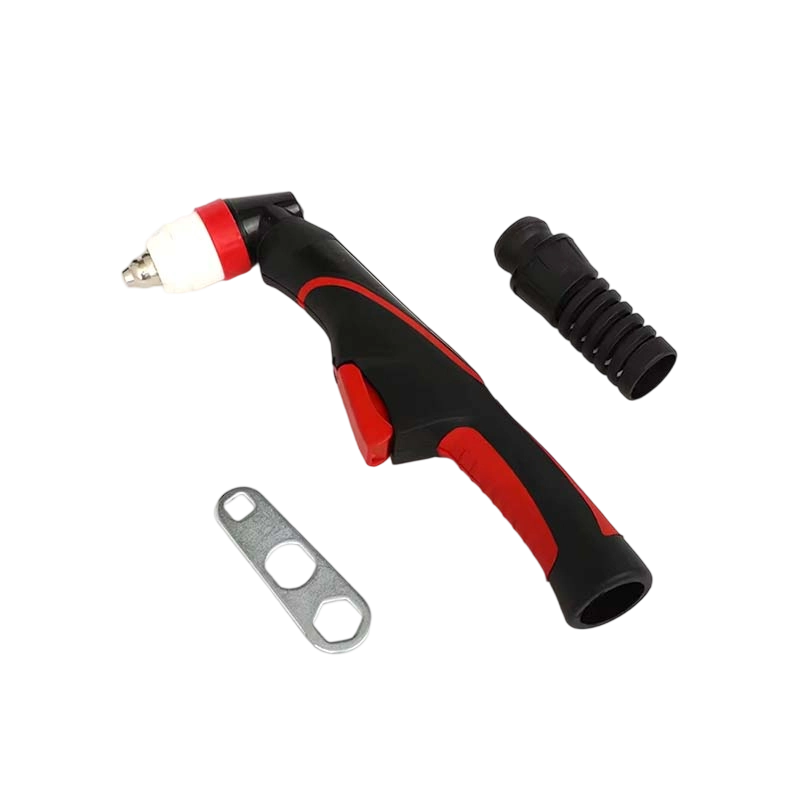
Engineered for precision and comfort, the Ergonomic Plasma Cutting Torch is a good tool designed...

The Heavy-Duty Versatile Seiko-Engineered Plasma Cutting Torch is a next-generation tool enginee...
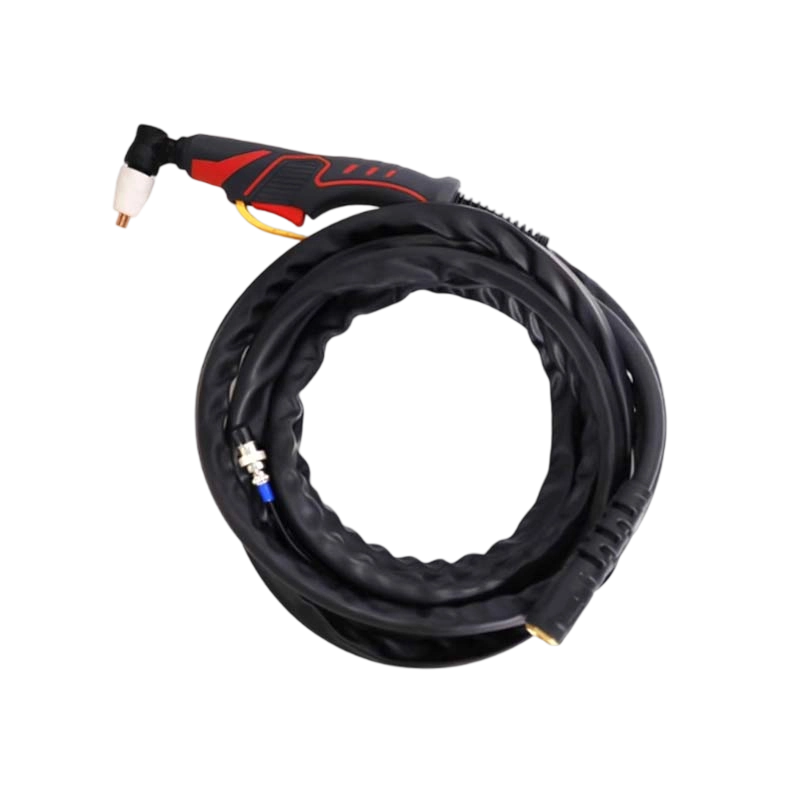
Crafted for professionals who demand precision, durability, and operational ease, the Anti-Fatig...

This plasma cutting torch stands out for its ergonomic design. The shape of the handle is carefu...
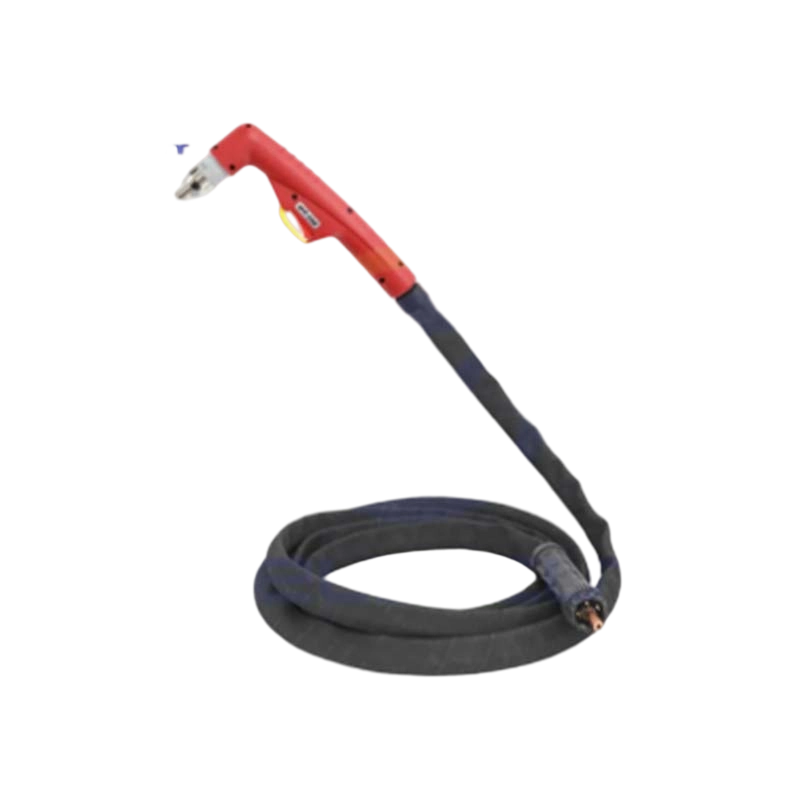
The Ergonomic Safety Red Handle Plasma Cutting Torch is meticulously designed to combine good us...
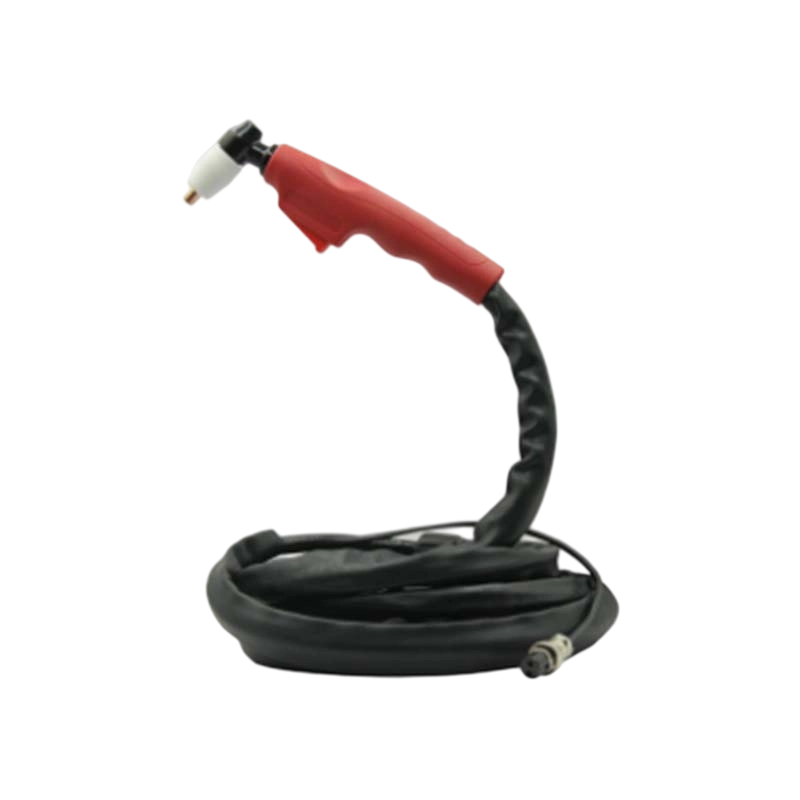
Engineered for durability and precision, the Robust Coiled-Cord Red Grip Plasma Cutting Torch is...
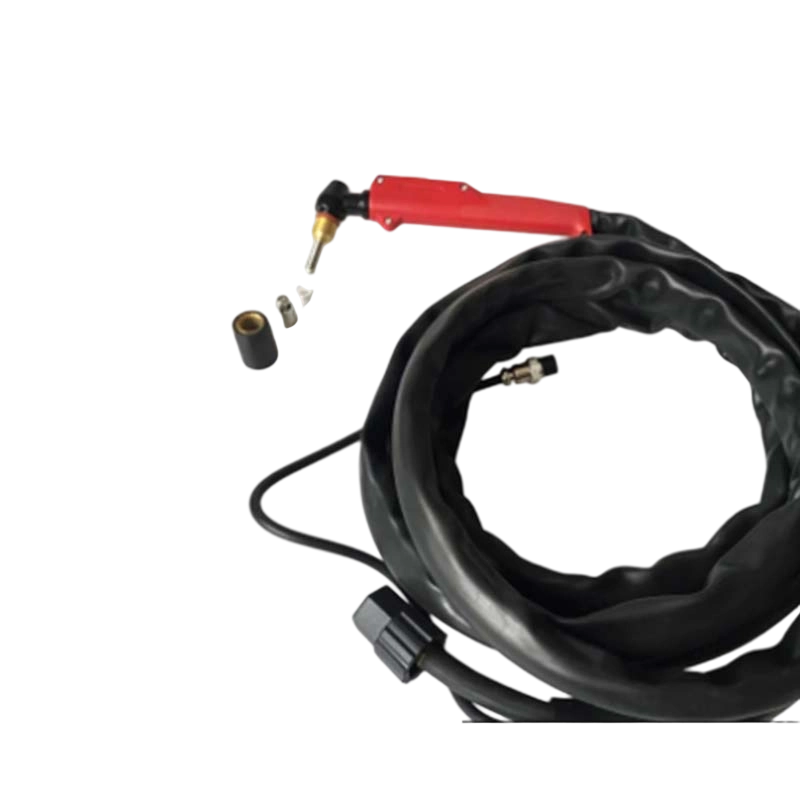
The Flexible Black Hose Plasma Cutting Torch is a versatile and innovative tool designed for pre...
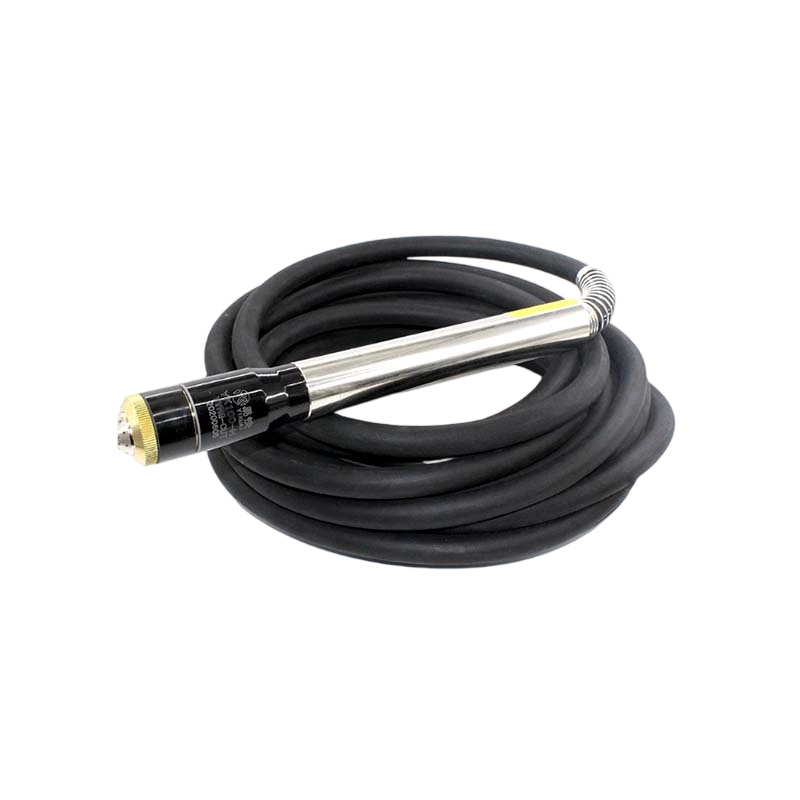
The Flexible High-Precision Plasma Cutting Torch is an innovative tool engineered to deliver goo...
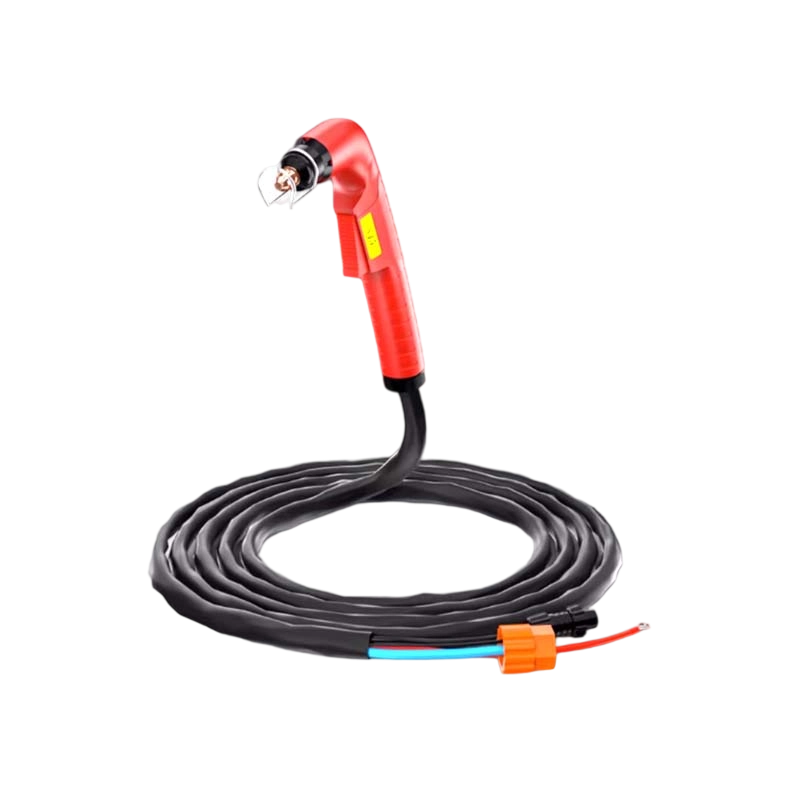
Crafted for industrial-grade precision and durability, the Red Plasma Cutting Torch is engineere...
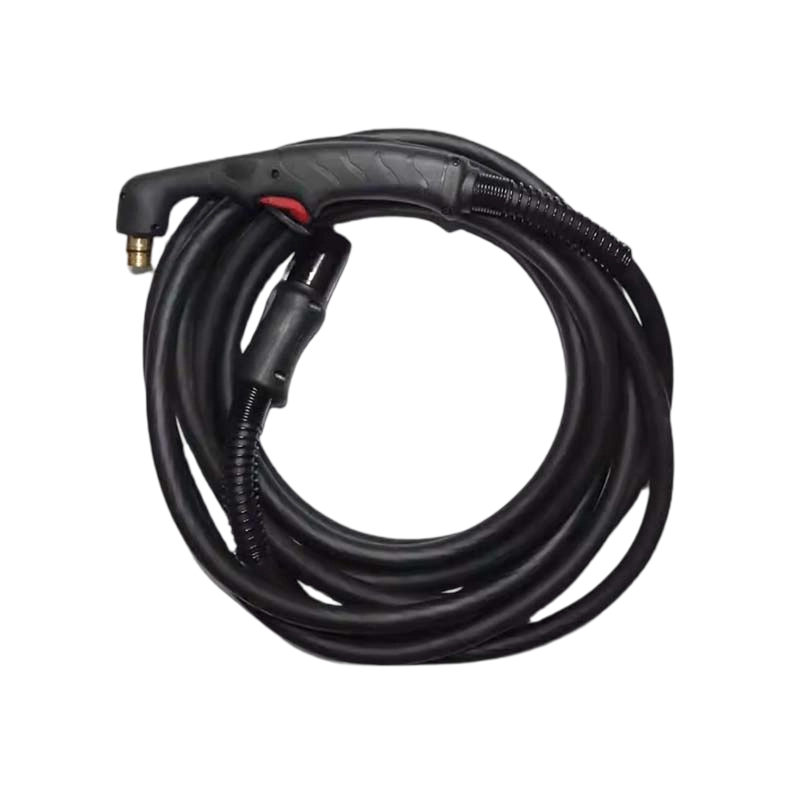
Engineered for demanding industrial applications, the Industrial-Grade Robust Plasma Cutting T...
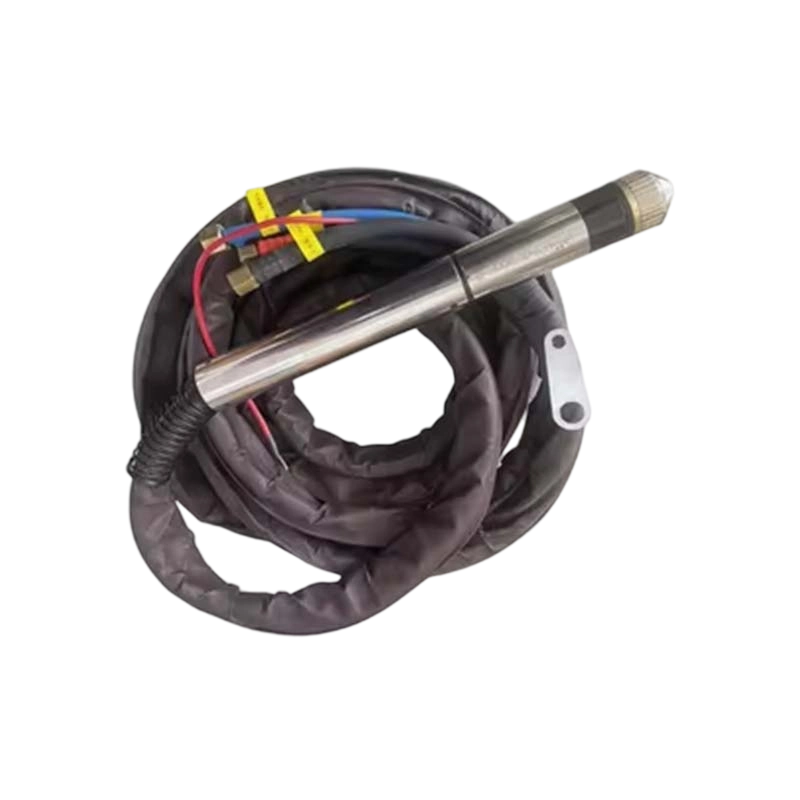
Crafted for precision and durability, the Professional Stainless Steel Plasma Cutting Torch is e...
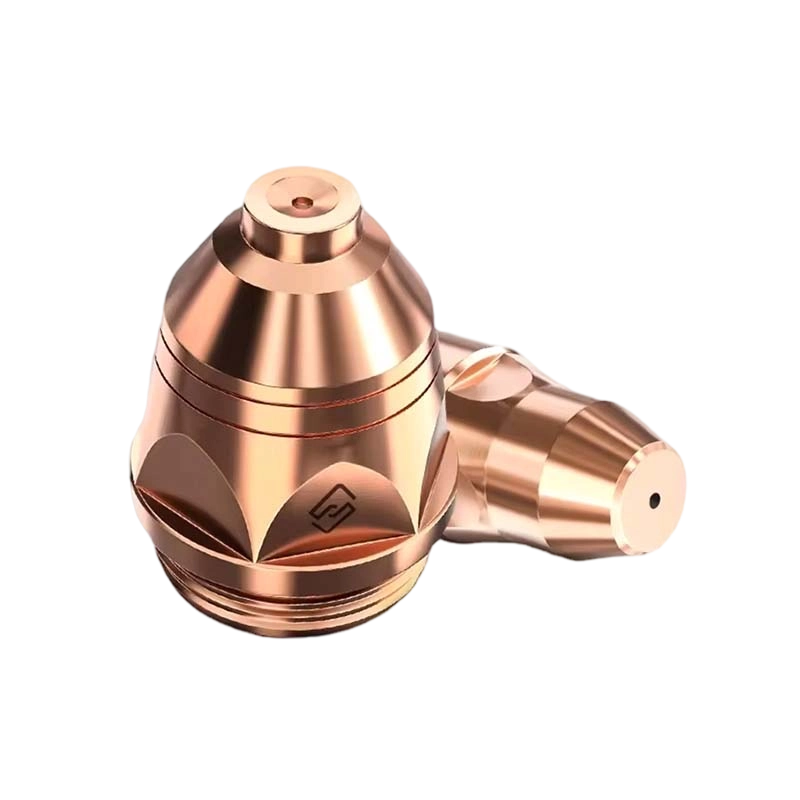
Elevate your plasma cutting performance with our Precision-Crafted Plasma Nozzle, a good acc...

Inside a Welding Goggles Factory A welding goggles factory is a fascinating space where safety meets precision. Workers and machines collaborate to produce goggles that protect eye...
READ MORETIG welding torch factories are central to supplying precise welding equipment for industrial, automotive, and construction applications. Production begins with careful selection o...
READ MOREA Welding Rod Supplier occupies a central position within the metal joining industry. Welding rods, also known as electrodes, form the core consumable element in many welding proce...
READ MOREHeat-Resistant Welding Gloves remain a fundamental part of equipment in fabrication shops, construction sites, and metal repair facilities. In environments where sparks fly and mol...
READ MOREPlasma cutting is a metal processing technology based on the formation of a high-temperature plasma arc from ionized gas. By generating a stable plasma within a nozzle and projecting it at high speed onto the workpiece surface, the material is locally heated, melted, and carried away by the gas stream, thus achieving cutting.
The core of plasma cutting lies in the synergistic interaction of the electric arc and the working gas. When the gas is ionized under the action of an electric field, it forms a conductive plasma, reaching high temperatures. The concentrated, high-energy-density plasma arc can produce stable cutting effects on a variety of metal materials. With improvements in power supply control, nozzle design, and cooling methods, this technology has gradually achieved more controllable arc shapes and more balanced heat input.
A plasma cutting system typically consists of a power supply, plasma torch, gas supply system, cooling unit, and control module. The power supply provides stable energy for the arc; the plasma torch is responsible for gas ionization and projection; the gas supply system determines the plasma properties; the cooling unit maintains the torch temperature; and the control module is used for parameter setting and process monitoring. During operation, arc ignition, piercing, and stable cutting are completed sequentially, forming a continuous processing flow.
This process is suitable for conductive materials such as carbon steel, stainless steel, aluminum, and their alloys. By adjusting the current, gas type, and nozzle specifications, it can be adapted to different thickness ranges. Compared with traditional flame cutting, it offers higher process flexibility for thin and medium-thickness plates; compared with mechanical cutting, it offers higher efficiency in complex contour processing.
Achieving efficient metal cutting requires coordination in both equipment configuration and process management:
Through these measures, it is possible to increase output per unit time while ensuring cutting quality.
Metal plasma cutting is commonly used in the following areas:
In these scenarios, the technology is valued for its process adaptability and ease of operation.
Cutting quality is usually evaluated from aspects such as cut surface perpendicularity, slag adhesion, and heat-affected zone width. By stabilizing the arc and maintaining appropriate torch height and movement speed, a relatively smooth cut surface can be obtained. For workpieces requiring high precision, subsequent grinding or secondary processing is often used to meet assembly requirements.
Commonly used gases include air, oxygen, and inert gas mixtures. Different gases affect cutting speed, cut surface condition, and nozzle life. Air is convenient to use; oxygen performs stably in carbon steel cutting; inert gas mixtures help control cut surface quality in stainless steel and aluminum processing. Choosing the appropriate gas is an important part of process management.
With the development of CNC systems and sensing technology, plasma cutting is gradually evolving towards automation. Automatic height adjustment systems can adjust the torch height in real time, improving stability; process monitoring modules can record parameters and be used for process optimization. By connecting with production management systems, processing data can be used for analysis and continuous improvement.
In production practice, energy consumption, electrode and nozzle consumption are the main cost factors. By rationalizing production scheduling, reducing unnecessary arc strikes, and regularly maintaining key components, costs can be controlled to a certain extent. At the same time, choosing the appropriate cutting solution and avoiding over-configuration also helps balance resource utilization.
Plasma cutting involves high temperatures, electric arcs, and fumes, requiring comprehensive safety management measures:
These measures help create a relatively stable working environment.
Comparison with Other Cutting Processes: Compared to laser cutting, plasma cutting is more adaptable to medium-thick plates; compared to waterjet cutting, its equipment structure is relatively simpler. Different processes have their own applicable ranges, and companies can choose based on material type, thickness, and accuracy requirements.
Plasma cutting has been applied in various industries due to its stability and adaptability. Focusing on the goal of efficient metal cutting, a balance between efficiency and quality can be achieved in actual production through reasonable equipment selection, process management, and safety measures, providing reliable technical support for metal processing.

Email:
siogeewelding@gmail.com
Whatsapp:
+86 13305885557
Phone:
+86 17377705924
Get In Touch
Product Center
Get In Touch
