

 English
 中文简体
中文简体Don't hesitate to send a message
Elevate your metalworking projects with the Robust Brass-Plated Acetylene Torch for Precision Me...
Gas cutting accessories encompass a wide range of tools, components, and consumables essential for optimizing the efficiency, safety, and precision of thermal cutting processes such as oxy-fuel cutting. These accessories cater to diverse applications across metal fabrication, automotive repair, construction, and DIY projects, ensuring versatility and adaptability for both professionals and hobbyists.
Gas Regulators and Hoses
Gas regulators stabilize and control the flow of oxygen and fuel gases (e.g., acetylene, propane, or natural gas) from cylinders to the torch. Designed for safety and reliability, they feature adjustable knobs, pressure gauges, and robust construction to withstand high pressures. Accompanying hoses are built with reinforced, heat-resistant materials to resist wear, kinks, and chemical exposure, ensuring consistent gas delivery without leaks.
Safety Equipment and Accessories
Safety is important in gas cutting, and dedicated accessories include flame-resistant gloves, safety goggles, welding helmets with cutting filters, and flame arrestors. Fire-resistant aprons and protective footwear safeguard against sparks and heat, while ventilation hoods minimize exposure to harmful fumes. Non-slip mats and heat-resistant pads provide stability during operations.
Cutting Guides and Accessories
For precise and consistent results, accessories like cutting guides, clamps, and magnets assist in aligning workpieces. Edge trimmers, spark arrestors, and flame stabilizers enhance control over the cutting process, reducing waste and improving edge quality. Adjustable stands and supports ensure stability for both handheld torches and mechanized systems.
Maintenance and Cleaning Tools
Proper maintenance is critical for good performance. Accessories include nozzle cleaners, wire brushes, slag chippers, and valve wrenches for routine upkeep. Lubricants and thread sealants prevent corrosion and ensure seamless connections. Replacement parts, such as O-rings, gaskets, and ceramic liners, are available to address wear and tear.
Specialty Tools and Add-Ons
Advanced users can explore specialized tools like multi-torch setups, plasma-compatible adapters, or CNC integration kits for automation. Ergonomic torch extenders, cooling systems, and portable carts enhance usability in challenging environments. Additional items like gas gauges, flashback arrestors, and quick-connect couplers streamline workflows.
By offering a comprehensive selection of gas cutting accessories, users can customize their setups to meet specific project requirements, ensuring safety, efficiency, and good outcomes across industrial and recreational applications.
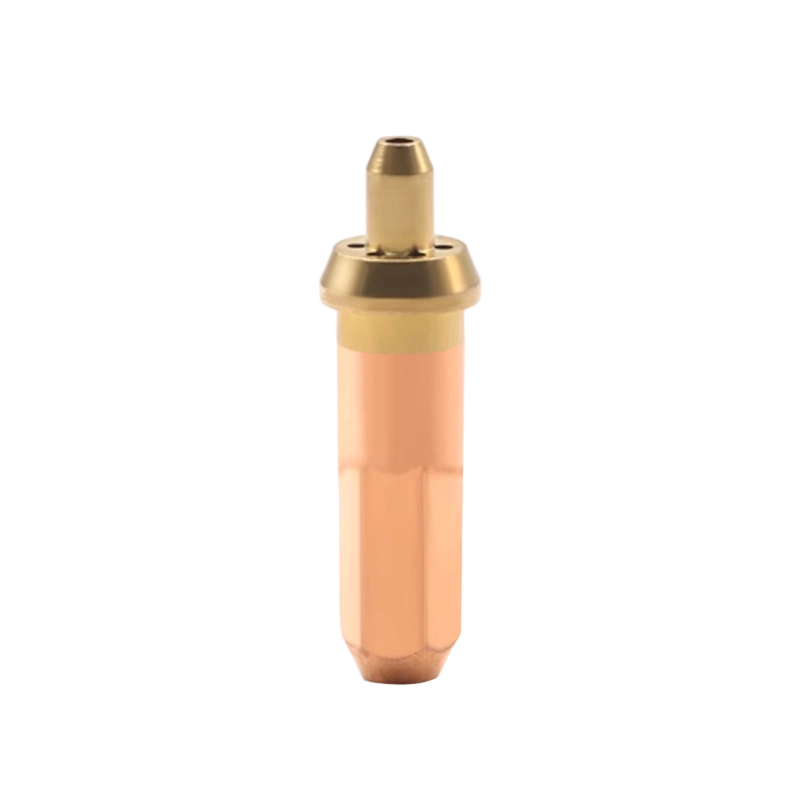
Elevate your metalworking projects with the Robust Brass-Plated Acetylene Torch for Precision Me...
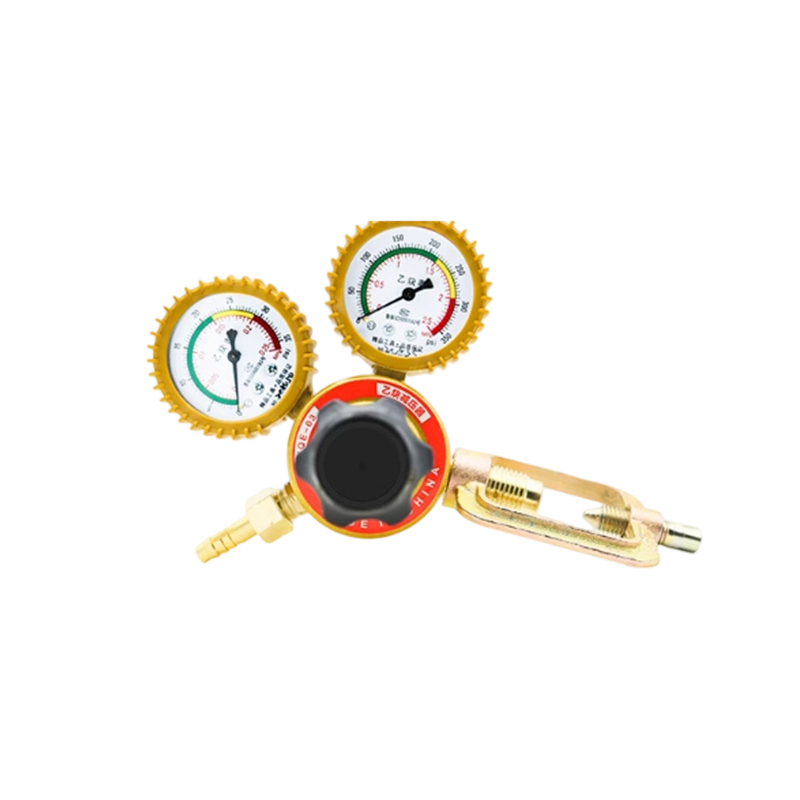
The High-Precision Dual-Gauge Pressure Relief Valve is an essential safety and control component...

Inside a Welding Goggles Factory A welding goggles factory is a fascinating space where safety meets precision. Workers and machines collaborate to produce goggles that protect eye...
READ MORETIG welding torch factories are central to supplying precise welding equipment for industrial, automotive, and construction applications. Production begins with careful selection o...
READ MOREA Welding Rod Supplier occupies a central position within the metal joining industry. Welding rods, also known as electrodes, form the core consumable element in many welding proce...
READ MOREHeat-Resistant Welding Gloves remain a fundamental part of equipment in fabrication shops, construction sites, and metal repair facilities. In environments where sparks fly and mol...
READ MOREGas cutting technology is widely used in metal processing, construction, and maintenance industries due to its flexible operation, high cutting efficiency, and wide range of applications. Besides the cutting equipment itself, gas cutting accessories play a crucial role in the entire cutting process. Proper selection, installation, and maintenance of these accessories can not only improve cutting quality but also ensure operational safety.
Gas cutting accessories refer to the components that support and protect gas cutting equipment, mainly including gas flow control devices, pressure safety devices, cutting nozzles, torch assemblies, and auxiliary fixing devices.
These accessories play the following roles in the gas cutting process:
The Dual-Gauge Pressure Relief Valve is a very important safety device among gas cutting accessories, mainly used to regulate and monitor gas pressure.
When using a dual-gauge pressure relief valve, it is important to regularly check the sensitivity of the valve and pressure gauges to ensure the safety and reliability of the equipment.
Gas cutting components are the core parts that make up the cutting system, including the torch, nozzle, mixing tube, valves, and connecting pipes.
By rationally combining these components, various cutting needs can be met, from thin to thick plates, and from straight lines to curves.
In addition to the core components, auxiliary devices are also an important part of ensuring smooth cutting, including support tables, guiding devices, ignition devices, and protective equipment.
Auxiliary devices not only improve cutting accuracy but also significantly reduce operating risks, and are a necessary guarantee for safe operation.
Proper use of gas cutting accessories is key to ensuring cutting quality and operational safety. The main operating steps include:
Gas cutting involves high-temperature flames and flammable gases, so safety measures are essential:
Following safety operating procedures can significantly reduce the risk of fire and personal injury.
Proper maintenance and upkeep help extend the lifespan of accessories and improve cutting stability:
Regular maintenance not only ensures cutting quality but also reduces the occurrence of unexpected malfunctions.
With the increasing demand for precision and efficiency in the metal processing industry, the development of gas cutting accessories shows the following trends:
Gas cutting accessories play a crucial role in metal processing. From Dual-Gauge Pressure Relief Valves to various Gas Cutting Components, each accessory directly affects cutting quality and operational safety.

Email:
siogeewelding@gmail.com
Whatsapp:
+86 13305885557
Phone:
+86 17377705924
Get In Touch
Product Center
Get In Touch
