

 English
 中文简体
中文简体Don't hesitate to send a message
Elevate your welding precision with the 2% Thoriated Red-Headed Tungsten Electrode, meticulously...
The Welding Wire category encompasses a diverse range of consumable materials engineered to meet the specialized needs of various welding applications. These products serve as the core medium for joining or fabricating metals, ensuring good performance, durability, and precision. The category includes Tungsten Electrodes, Aluminum Alloy Welding Wire, Stainless Steel Welding Wire, and Copper Welding Rods, each tailored to specific material requirements and welding techniques.
Tungsten Electrodes are indispensable for Tungsten Inert Gas (TIG) welding, a process reliant on the electrode’s ability to generate a stable electric arc without melting. These electrodes are valued for their purity, consistent conductivity, and resistance to contamination, enabling clean and precise welds in critical applications. Their composition and tip configurations are selected based on the base material and welding environment, ranging from pure tungsten for general use to alloyed variants for enhanced performance.
Aluminum Alloy Welding Wire is specifically designed for welding non-ferrous aluminum components. This wire offers good fluidity and metallurgical compatibility, ensuring strong, corrosion-resistant joints in industries such as automotive, aerospace, and marine. Its formulation addresses the challenges of aluminum welding, including oxidation and thermal conductivity, delivering reliable results in both manual and automated processes.
For applications involving stainless steel, Stainless Steel Welding Wire provides good strength, corrosion resistance, and aesthetic finishes. This wire is engineered to match the chemical and mechanical properties of stainless steel substrates, making it ideal for structural, decorative, and industrial projects. Its versatility supports a wide range of welding methods, including MIG (Metal Inert Gas) and TIG processes, ensuring consistent performance across diverse operational demands.
Copper Welding Rods are precision-engineered for welding copper and its alloys, excelling in applications requiring high thermal and electrical conductivity. These rods are ideal for electrical systems, plumbing, and heat exchangers, where material integrity and performance are important. Designed to reduce porosity and defects, they facilitate efficient joining while maintaining the inherent conductivity of copper.
Together, this product category reflects a commitment to innovation and quality, offering solutions for a broad spectrum of welding challenges. Whether for lightweight alloys, high-performance steels, or conductive metals, each product is crafted to deliver precision, reliability, and efficiency in demanding industrial and commercial environments.
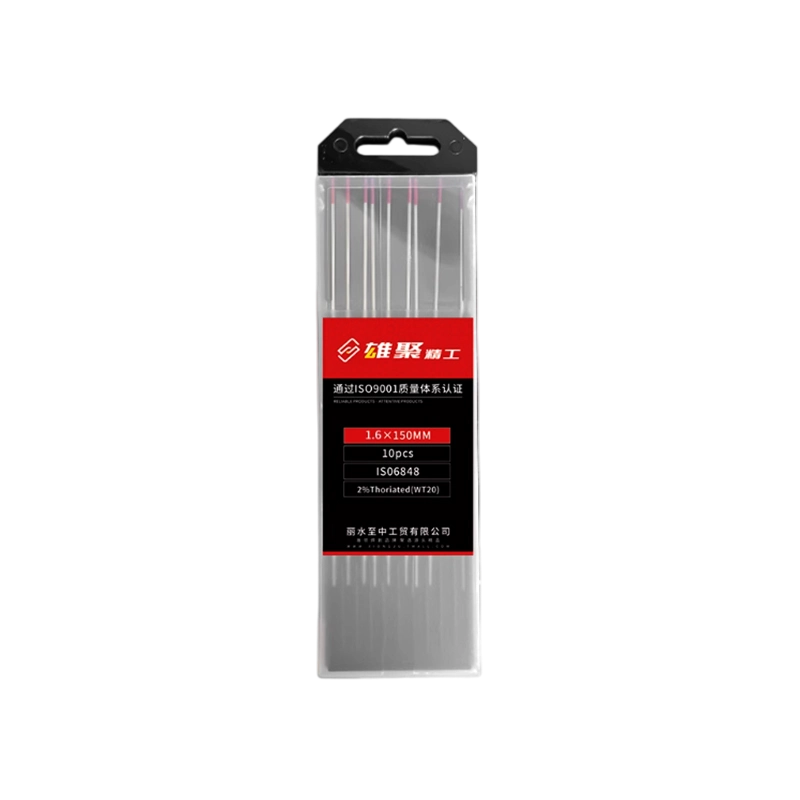
Elevate your welding precision with the 2% Thoriated Red-Headed Tungsten Electrode, meticulously...
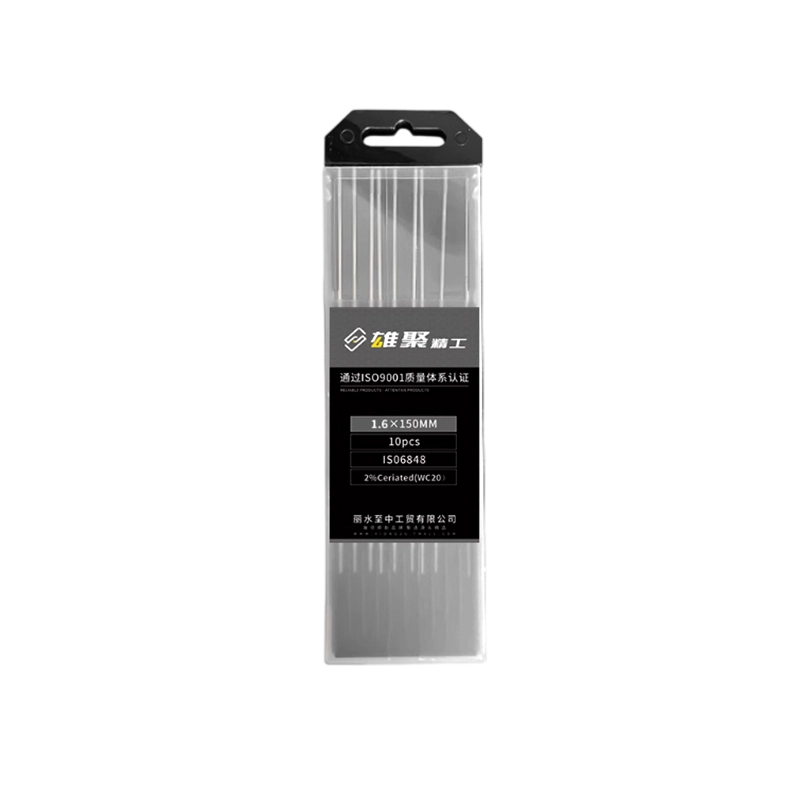
Elevate your welding precision with our Gray-headed Tungsten Electrode, engineered for good arc ...
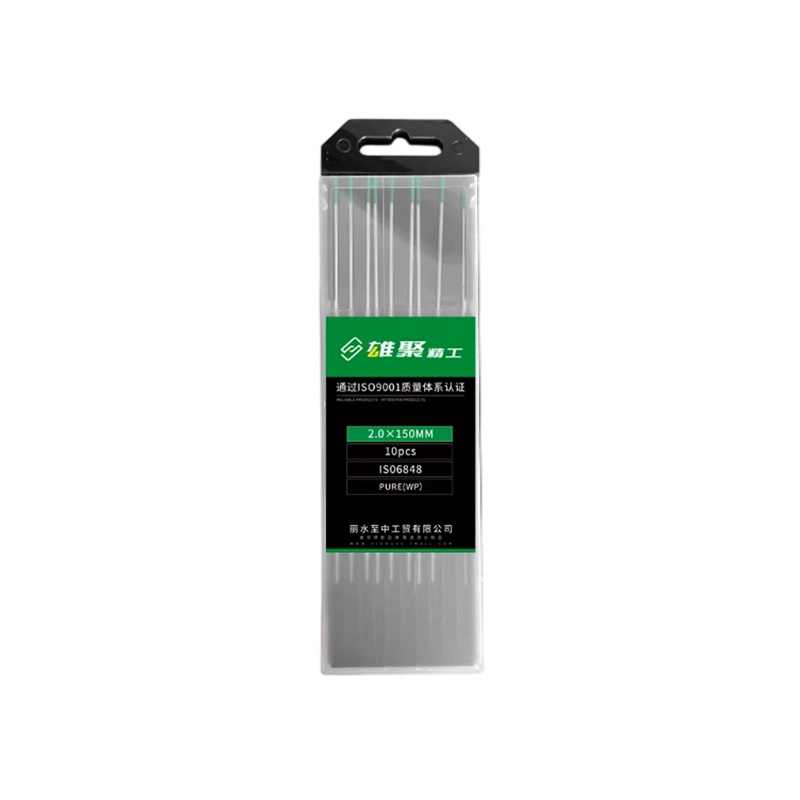
The Green-headed Tungsten Electrode is an advanced welding electrode meticulously engineered for...
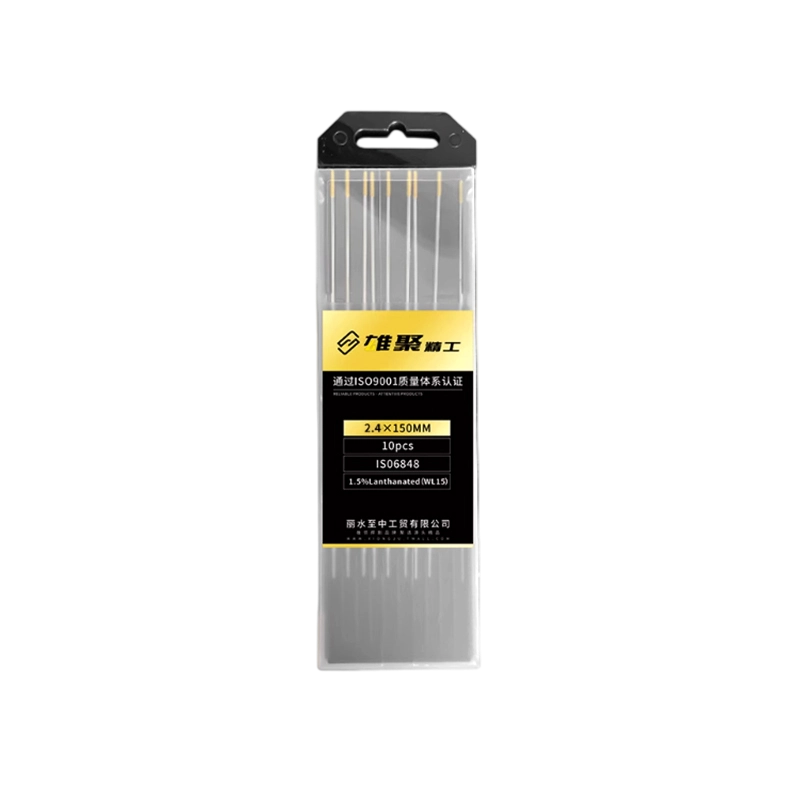
Elevate your welding performance with our Gold-tipped 1.5% Lanthanated Tungsten Electrode, desig...
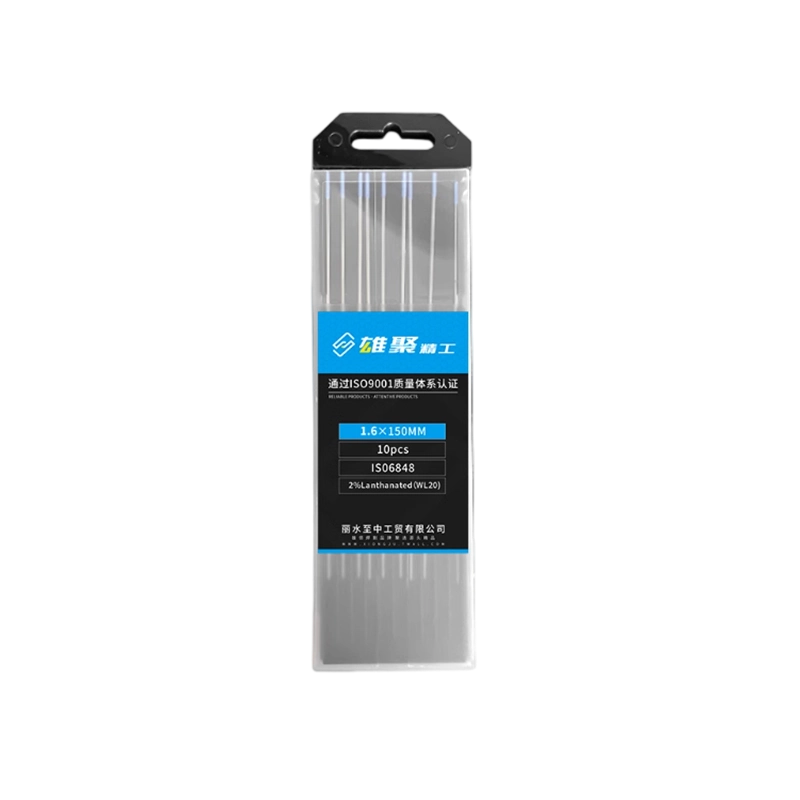
The Blue-headed 2% Lanthanated Tungsten Electrode is a high-performance electrode designed for d...
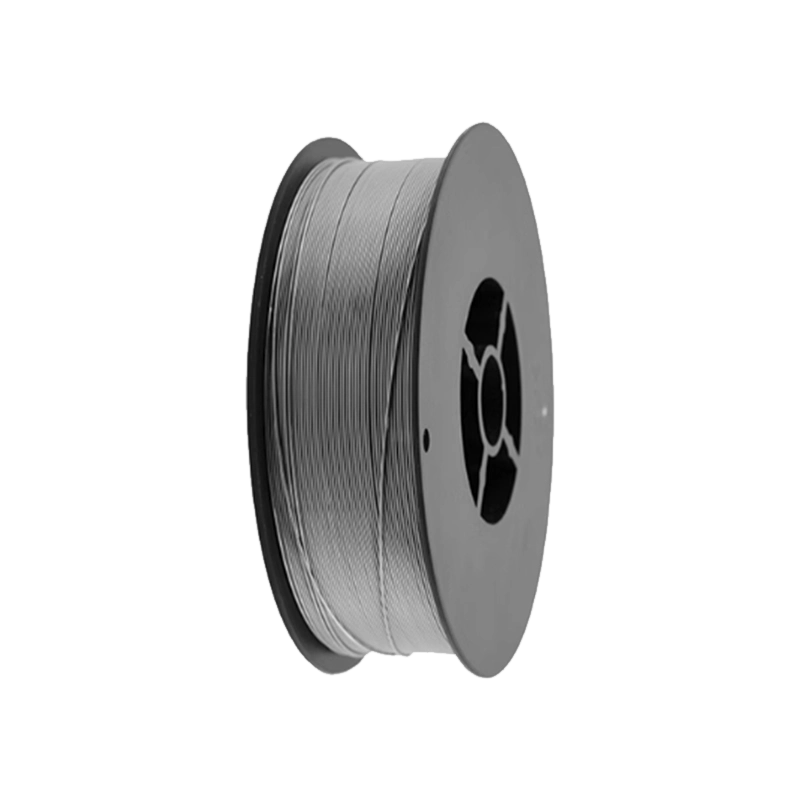
The Airless Flux-Cored Aluminum Alloy Welding Wire is an innovative welding solution designed fo...
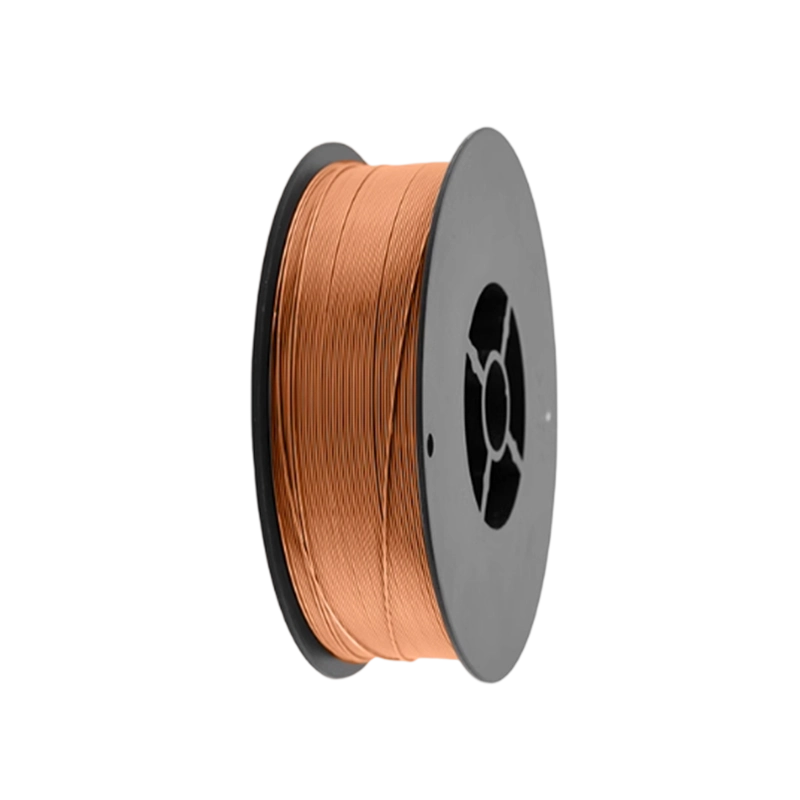
Our Gas Flux-Cored Aluminum Alloy Welding Wire is an advanced welding consumable engineered for ...
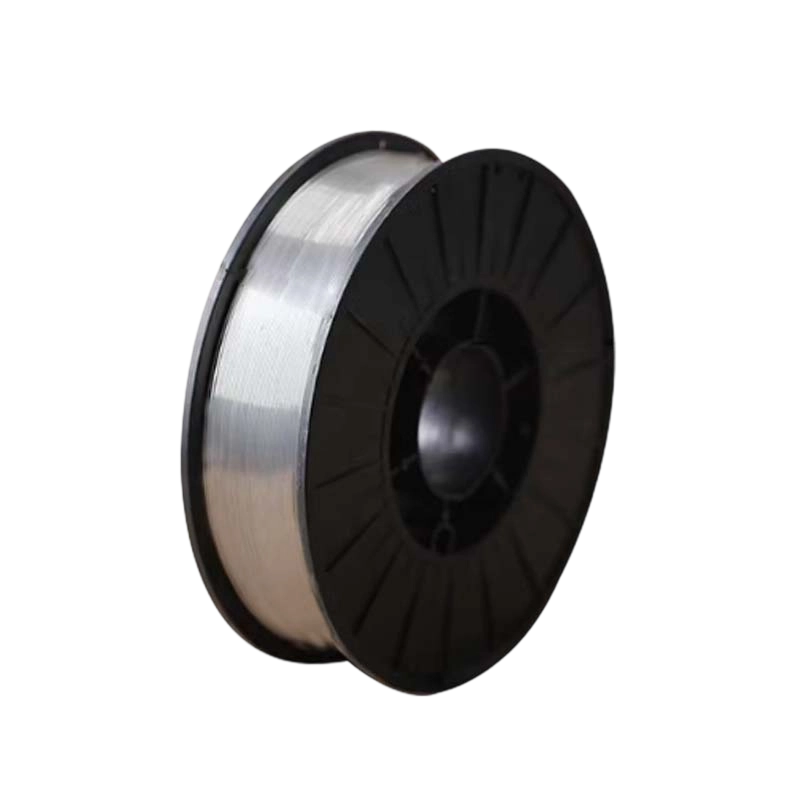
Elevate your welding projects with our 201 Stainless Steel Welding Wire, engineered for professi...
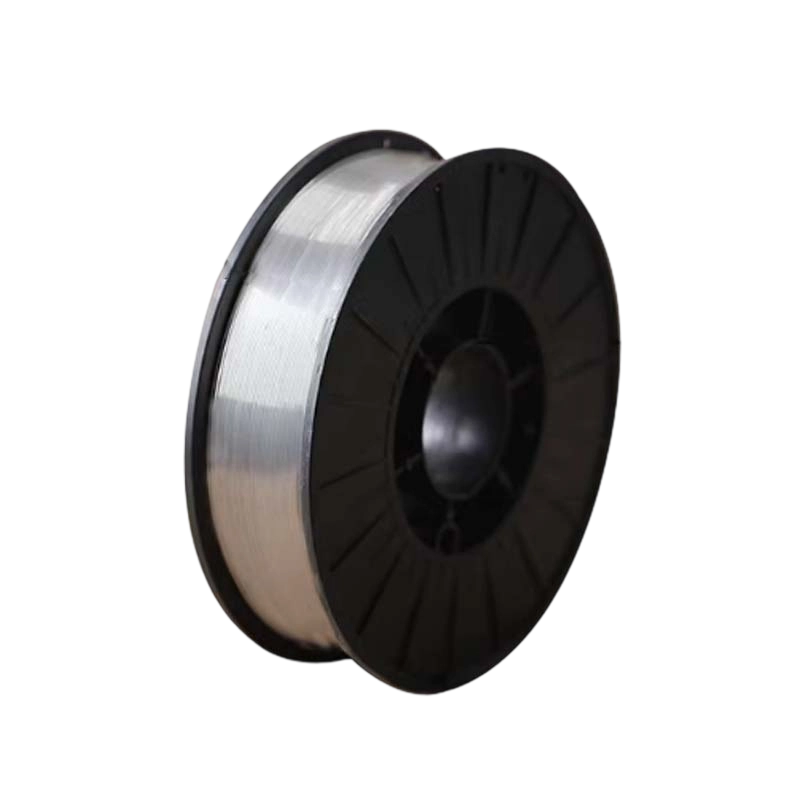
Elevate your DIY welding projects with our good 304 Stainless Steel Welding Wire, designed for v...
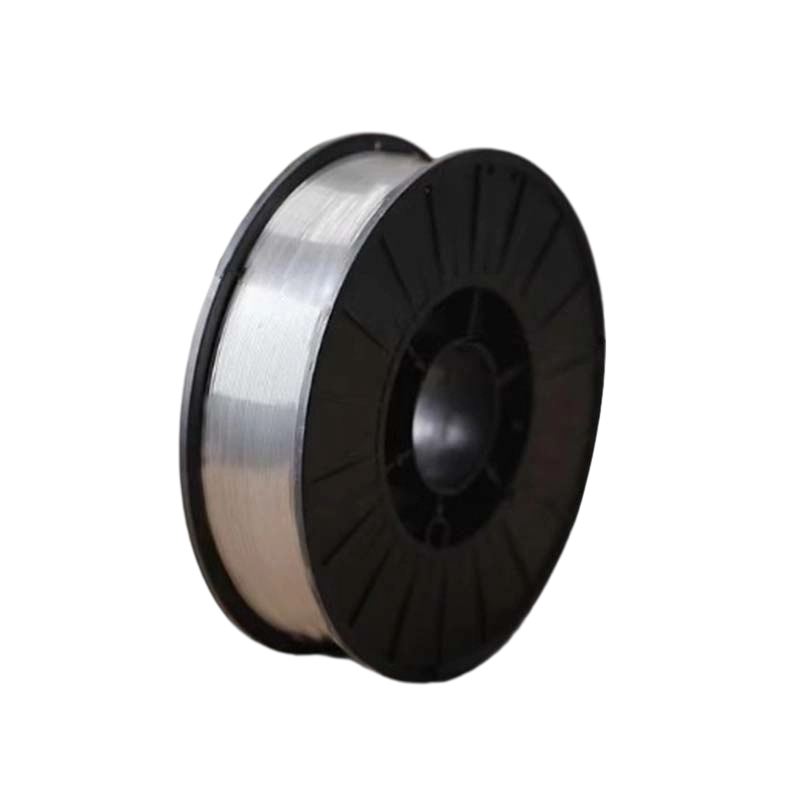
High-Purity 308 Stainless Steel Welding Wire is an advanced welding consumable engineered for go...
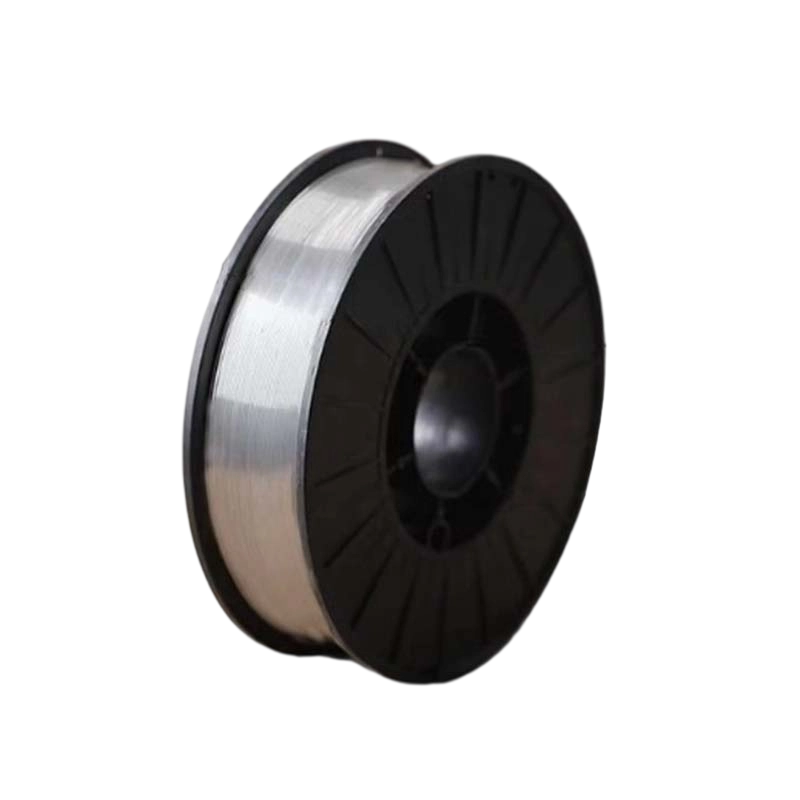
The 309 Stainless Steel Welding Wire is a high-performance filler metal designed for welding sta...
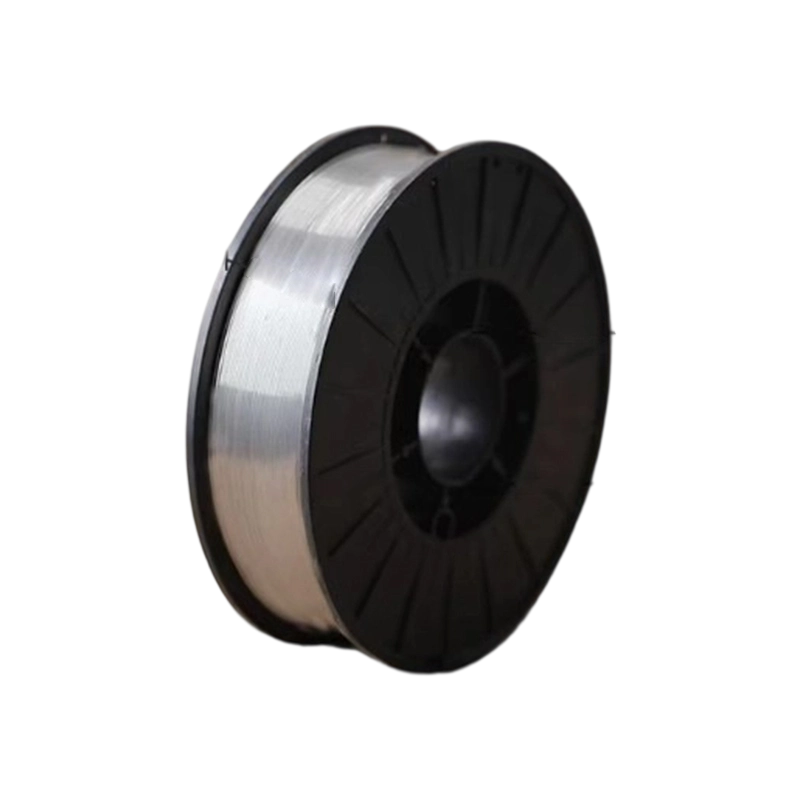
316L Stainless Steel Welding Wire is a high-performance filler material engineered for good corr...

Inside a Welding Goggles Factory A welding goggles factory is a fascinating space where safety meets precision. Workers and machines collaborate to produce goggles that protect eye...
READ MORETIG welding torch factories are central to supplying precise welding equipment for industrial, automotive, and construction applications. Production begins with careful selection o...
READ MOREA Welding Rod Supplier occupies a central position within the metal joining industry. Welding rods, also known as electrodes, form the core consumable element in many welding proce...
READ MOREHeat-Resistant Welding Gloves remain a fundamental part of equipment in fabrication shops, construction sites, and metal repair facilities. In environments where sparks fly and mol...
READ MOREWelding wire is an indispensable and important material in the welding process. During melting, it fills the gaps between metals, forming a strong weld. With the increasing demands of modern industry for welding quality and efficiency, the types and functions of welding wires have become increasingly diverse.
Welding wire is a metal material used in welding operations. It combines with the base metal through melting and cooling to form a strong weld. Depending on the method of use, welding wires can be divided into solid welding wires, flux-cored welding wires, and welding electrodes.
The main functions of welding wire include:
Welding wire is one of the more commonly used welding materials, typically used in gas shielded welding (such as MIG/MAG welding). Its characteristics include:
When using welding wire, the appropriate type and diameter of welding wire should be selected according to the base metal material and welding process to ensure weld strength and welding stability.
Welding electrode wire is mainly used in manual arc welding or some special automated welding processes. It melts the welding wire through arc heating, filling the weld, and simultaneously protecting the molten pool from air contamination.
Welding electrodes have wide applications in industries such as manufacturing, construction, and shipbuilding, and are especially suitable for applications requiring high weld strength and corrosion resistance.
Welding wire consumables refer to the welding wire material that is gradually consumed during the welding process. This includes solid welding wire, flux-cored welding wire, and certain coated welding wires. The selection of welding wire consumables is crucial to the welding effect.
Proper selection of consumables can not only improve welding quality but also reduce the incidence of welding defects and reduce rework costs.
According to material and application, welding wires can be divided into the following categories:
When selecting welding wire, the type of base metal, welding position, welding process, and welding requirements should be considered to ensure that the weld quality meets the application needs.
Correct use of welding wire can improve welding efficiency and ensure weld quality:
Welding involves high temperatures, molten metal, and arc light, requiring strict safety measures:
Following safety operating procedures can reduce the risk of accidents and ensure smooth welding operations.
Proper maintenance and storage of welding wire helps extend its service life and maintain welding quality:
With the increasing demands for welding precision and efficiency in industrial manufacturing, welding wire and its consumables show the following trends in future development:
Advances in welding wire technology will drive the development of the metal processing industry, improving production efficiency and welding quality.
Welding wire plays a core role in the metal joining process. From Welding Wire to Welding Electrode Wire, and then to Welding Wire Consumable, different types of welding wire are suitable for different processes and materials.

Email:
siogeewelding@gmail.com
Whatsapp:
+86 13305885557
Phone:
+86 17377705924
Get In Touch
Product Center
Get In Touch
