

 English
 中文简体
中文简体Don't hesitate to send a message
Engineered for good performance in demanding industrial environments, the Professional Orange We...
The welding and thermal cutting equipment category encompasses a range of power tools and machines designed for joining, cutting, or modifying metal materials through thermal processes. This classification is tailored to meet diverse industrial and professional applications, balancing precision, efficiency, and operational versatility. Key products within this category include welding machines, plasma cutting machines, and laser welding machines, each distinguished by its unique technology and application scope.
1. Welding Machines
Welding machines are fundamental tools for creating permanent metallic joints through the application of heat and pressure. These machines operate using principles such as arc welding, resistance welding, or gas welding, depending on the model. They are versatile solutions for industries ranging from construction to automotive repair, enabling the fabrication of structures, components, and repairs with strong, durable bonds. Welding machines are available in various forms, including portable handheld devices and stationary systems, accommodating different material thicknesses and joint configurations. Their adaptability makes them indispensable for both small-scale workshops and large-scale production environments.
2. Plasma Cutting Machines
Plasma cutting machines specialize in high-precision cutting of electrically conductive materials, primarily metals, using a superheated ionized gas stream (plasma). Unlike traditional mechanical cutting methods, plasma cutting offers faster speeds, cleaner cuts, and little heat-affected zones, preserving material integrity. These machines are proper for intricate designs, metal fabrication, and dismantling applications. Advanced models integrate computer numerical control (CNC) systems, enabling automated, high-accuracy operations. Plasma cutting machines are favored in industries requiring sharp edges, such as shipbuilding, aerospace, and manufacturing of precision components.
3. Laser Welding Machines
Laser welding machines utilize concentrated laser beams to fuse materials with good precision and little thermal distortion. This non-contact process excels in micro-welding, thin material joining, and applications demanding narrow weld seams. By combining high energy density with rapid processing, laser welding enhances productivity while maintaining good-quality joints. These machines are essential in industries like medical device manufacturing, electronics, and high-performance automotive production, where accuracy and reliability are important.
Conclusion
This product classification unites three high-tech technologies—welding machines, plasma cutters, and laser welders—addressing varied thermal processing needs. Each equipment type offers distinct advantages, catering to specific operational requirements and material characteristics. Whether for robust construction, intricate cutting, or ultra-precise joining, this category provides solutions that drive efficiency, innovation, and quality across industrial landscapes.
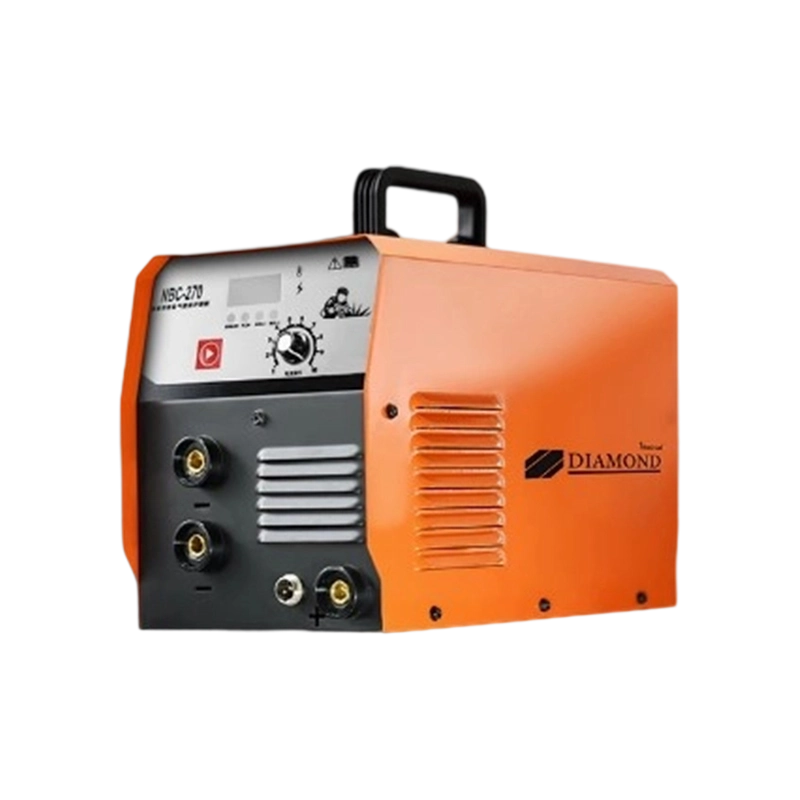
Engineered for good performance in demanding industrial environments, the Professional Orange We...
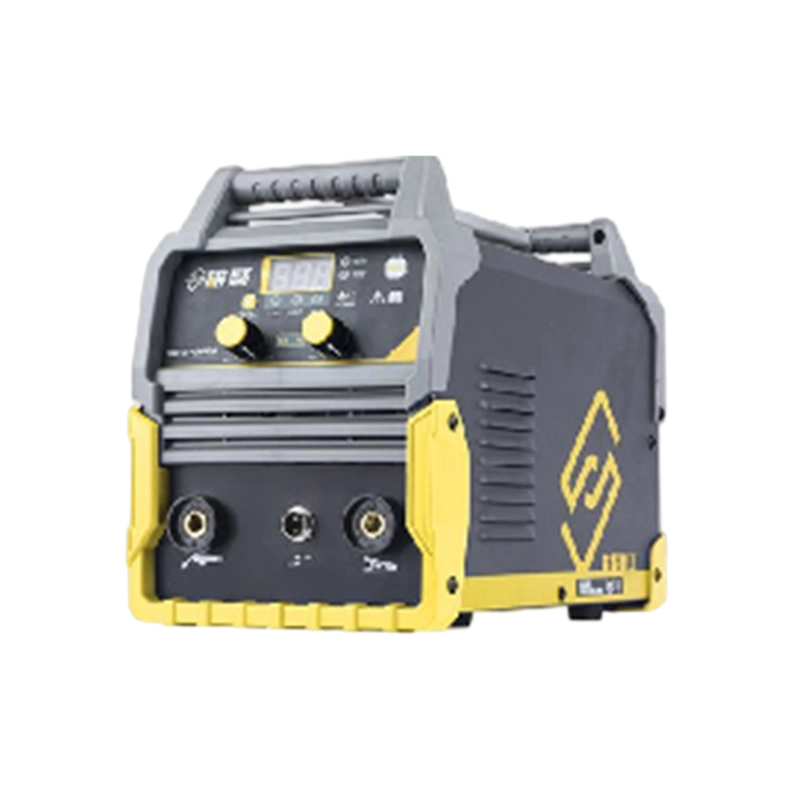
Transform your welding projects with this versatile and portable welding machine, designed to me...
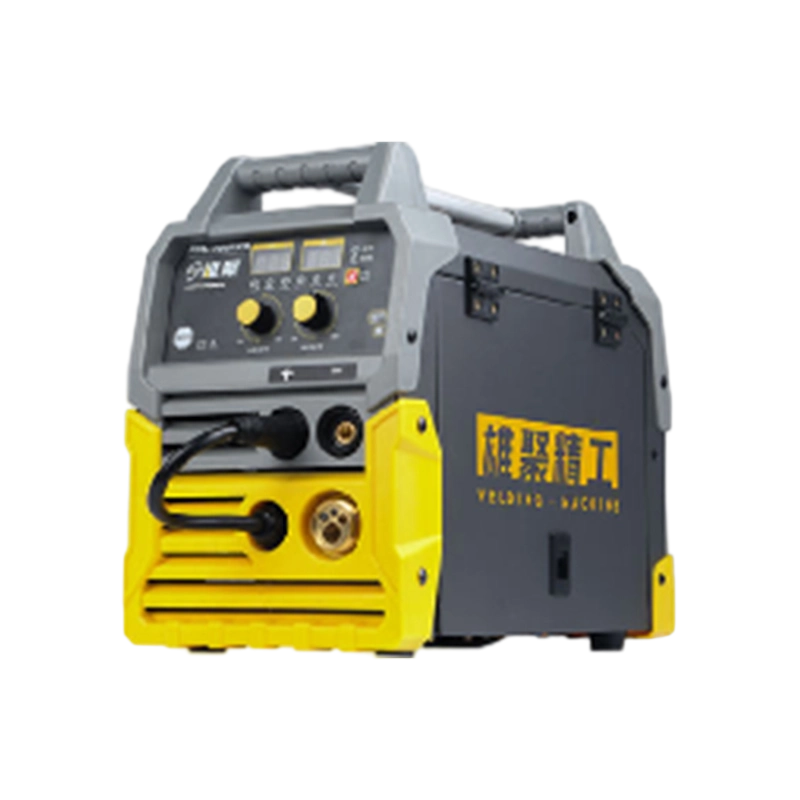
Engineered for demanding industrial environments, the Robust and Precise Welding Machine is a ve...
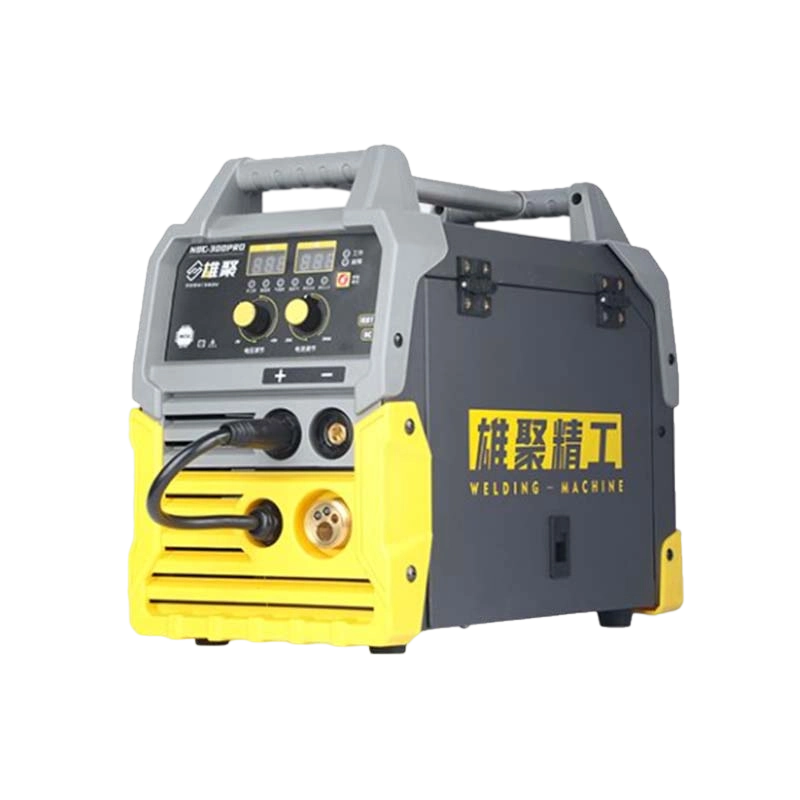
Engineered for versatility and user-centric design, our Ergonomic Portable Welding Machine redef...
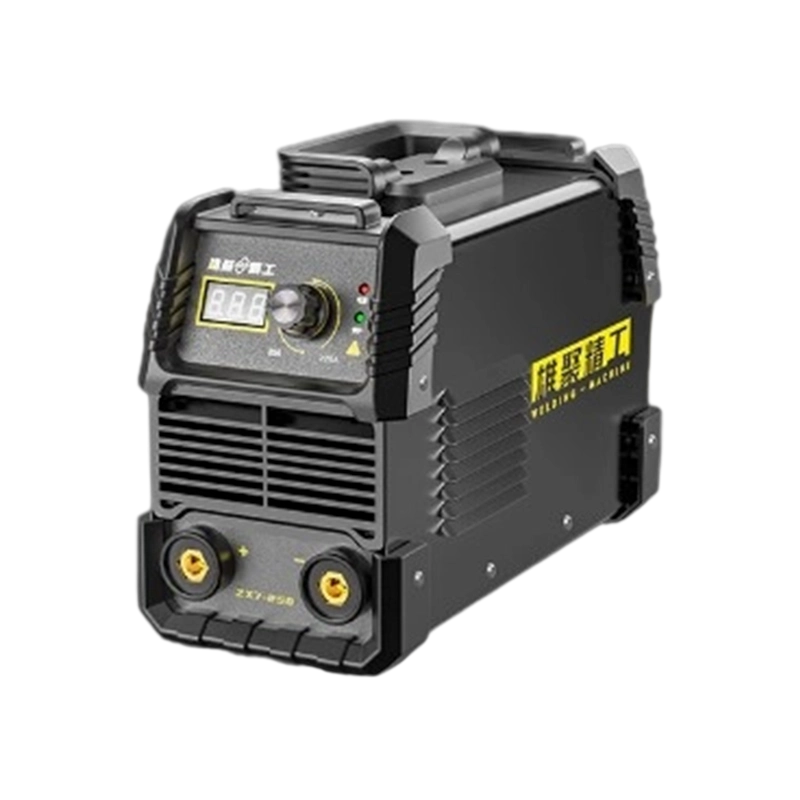
The Robust Industrial Welding Machine is engineered for demanding applications in heavy-duty met...
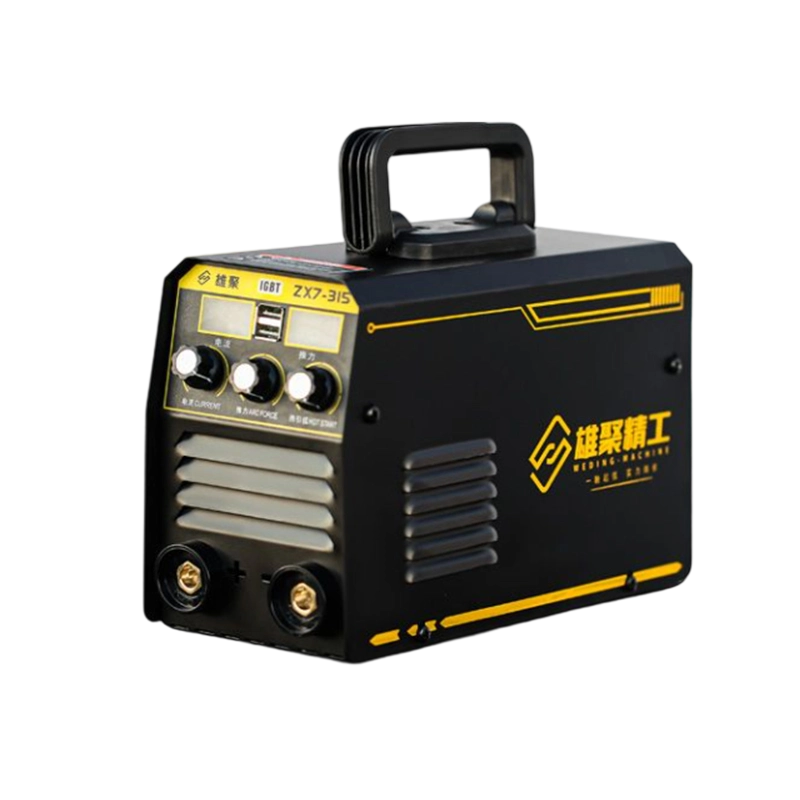
Elevate your DIY projects with our High-Power and Versatile Welding Machine, designed to meet th...
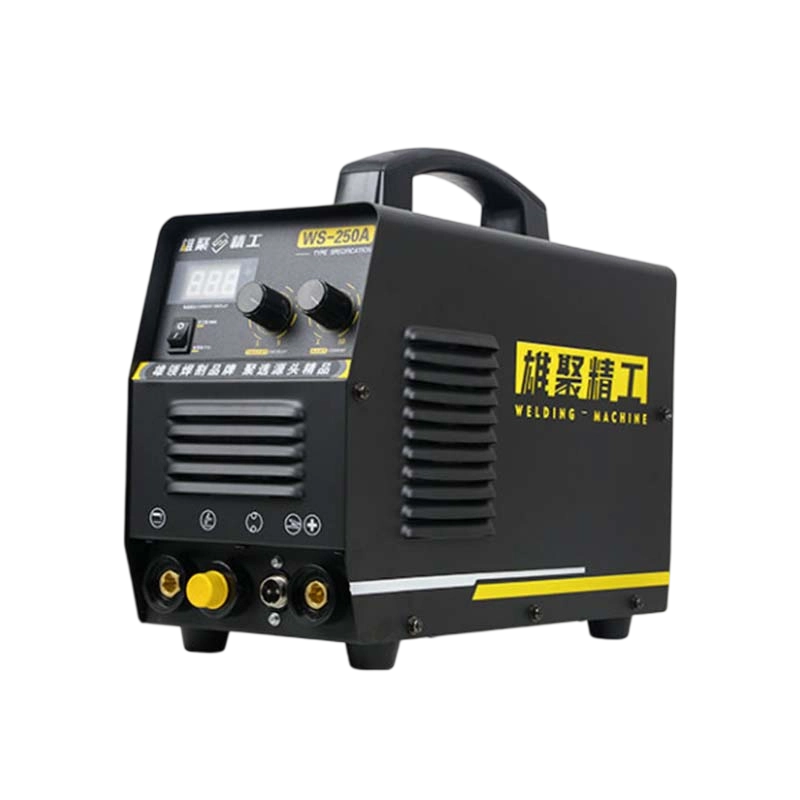
The High-Performance Welding Machine is an innovative solution tailored for precision metalworki...
Elevate your welding operations with the Precision-Controlled Welding Machine, an advanced tool ...
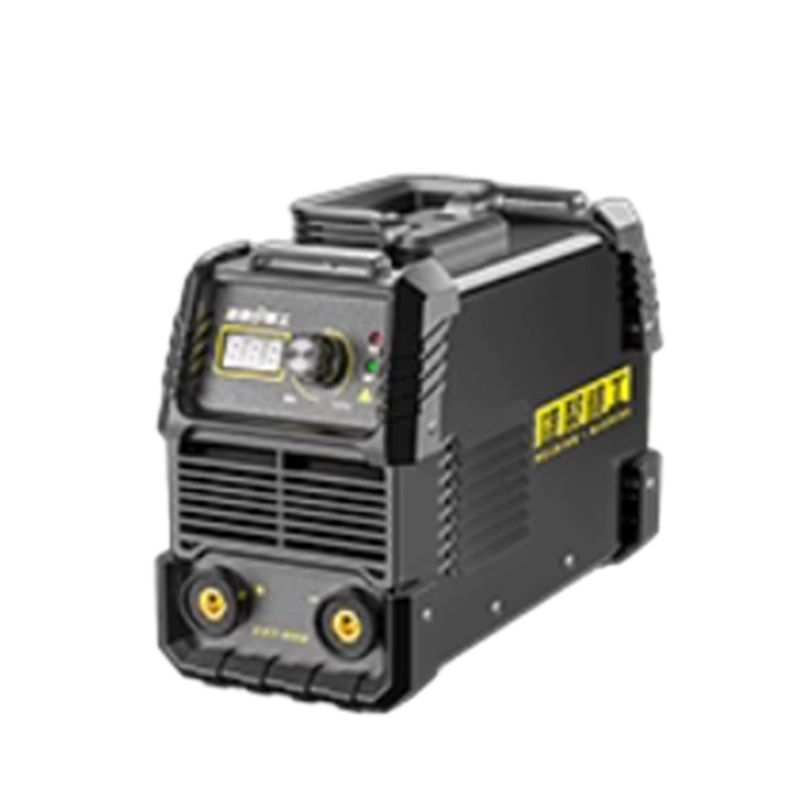
Engineered for good performance and reliability, this Powerful Industrial Welding Machine is a g...
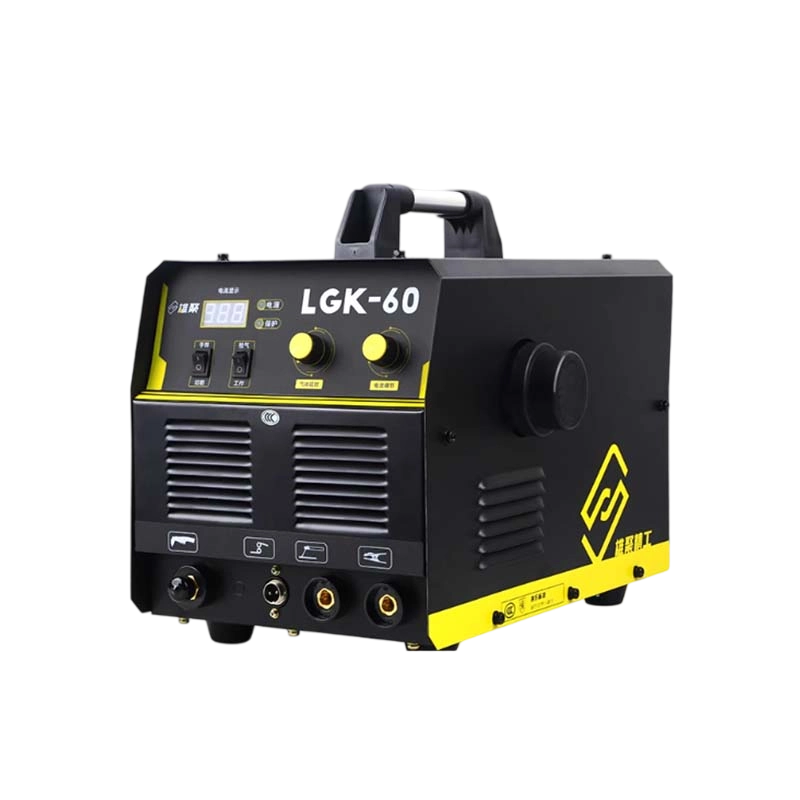
The Powerful Precision Plasma Cutting Machine redefines innovation for industrial applications, ...
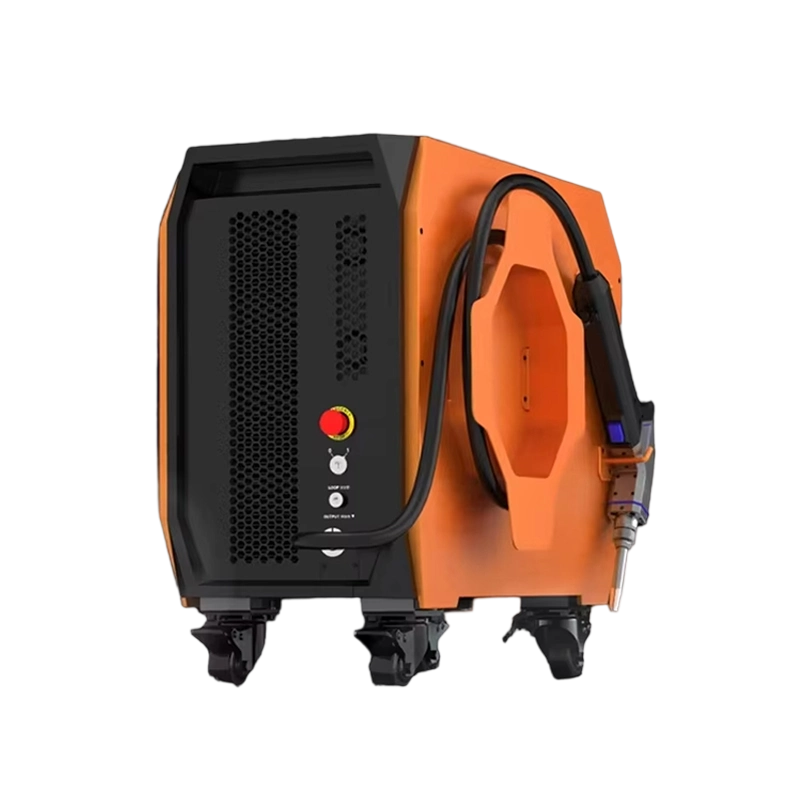
The Robust Precision Mobility Laser Welding Machine redefines welding innovation by seamlessly c...
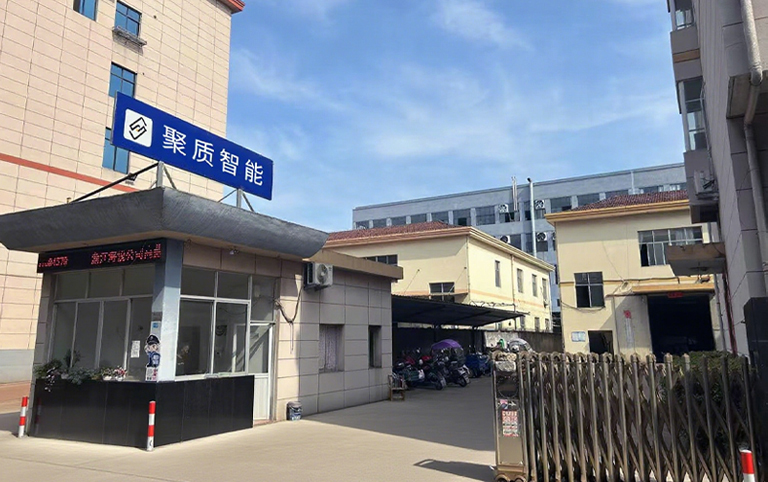
Inside a Welding Goggles Factory A welding goggles factory is a fascinating space where safety meets precision. Workers and machines collaborate to produce goggles that protect eye...
READ MORETIG welding torch factories are central to supplying precise welding equipment for industrial, automotive, and construction applications. Production begins with careful selection o...
READ MOREA Welding Rod Supplier occupies a central position within the metal joining industry. Welding rods, also known as electrodes, form the core consumable element in many welding proce...
READ MOREHeat-Resistant Welding Gloves remain a fundamental part of equipment in fabrication shops, construction sites, and metal repair facilities. In environments where sparks fly and mol...
READ MOREA welding machine is an electric device used for joining and repairing metals, widely applied in industrial manufacturing, construction, pipe installation, and mechanical repair. It works by generating a high-temperature electric arc or thermal energy to melt and fuse metal workpieces. Common types include arc welders, TIG welders, and MIG welders. Welding machines typically feature adjustable current, voltage, and welding speed to accommodate different metal materials and thicknesses. With the appropriate welding rods, wires, or shielding gases, they can achieve high-precision welds, stable connections, and efficient processing, making them an indispensable core tool in metal processing and manufacturing.
Welding machines can be divided into various types based on their working principles and uses, each with its unique advantages in industrial applications.
Arc Welding Machine
TIG/MIG Welding Machine
Thermal Cutting Equipment
Automation and Robotic Welding Systems
Choosing the right Industrial Welding Machine requires comprehensive consideration of processing needs, material types, and working environment. The following are the main points to consider when purchasing:
Material Adaptability
Welding Process Matching
Safety Performance
Ease of Operation
Accessories and Function Expansion
Proper operation of welding machines and thermal cutting equipment not only improves processing quality but also extends equipment lifespan. Here are the key operating points:
Welding Operation Techniques
Thermal Cutting Operation Techniques
Safety Operation Techniques
| Application Scenario | Welding Type | Thermal Cutting Requirements | Functional Advantages |
| Steel Structure Construction | Arc Welding | Plasma Cutting | Improved welding strength and cutting accuracy |
| Mechanical Manufacturing | TIG Welding / MIG Welding | Oxy-fuel Cutting | Achieves precise welds and rapid cutting |
| Pipe Installation | MIG Welding | Thermal Pipe Cutting | Ensures joint sealing and processing efficiency |
| Mass Production | Automated Welding System | Automatic Cutting Equipment | Improves consistency and production efficiency |
| Repair and On-site Construction | Portable Welding Machine | Portable Cutting Torch | Flexible adaptation to different working environments |
Good maintenance can extend the service life of welding machines and thermal cutting equipment:
In industrial production, Industrial Welding Machines and Thermal Cutting Equipment are important tools for improving the efficiency and quality of metal processing. By rationally selecting equipment types, matching welding processes, mastering operating techniques, and incorporating routine maintenance, companies and workers can achieve efficient processing and safe operation in applications such as steel structures, machinery manufacturing, and pipeline installation. Mastering this core knowledge is of practical significance for modern industrial production.

Email:
siogeewelding@gmail.com
Whatsapp:
+86 13305885557
Phone:
+86 17377705924
Get In Touch
Product Center
Get In Touch
