

 English
 中文简体
中文简体Don't hesitate to send a message
Elevate your welding experience with the Adjustable Comfort Welding Helmet, designed to deliver ...
Welding helmets are indispensable personal protective equipment (PPE) designed to safeguard welders from the intense light, heat, sparks, and spatter generated during welding, cutting, or grinding processes. These helmets combine advanced engineering and ergonomic design to ensure good operator safety, comfort, and operational efficiency across diverse welding environments.
The primary function of a welding helmet is to shield the wearer’s face, eyes, and neck from harmful radiation—particularly ultraviolet (UV) and infrared (IR) emissions—produced by the welding arc. Without such protection, prolonged exposure can lead to severe eye damage, skin burns, or long-term health risks. Welding helmets achieve this through specialized lenses that either block harmful light passively or adjust dynamically to ambient arc intensity. Beyond physical protection, modern helmets also enhance operational precision by improving visibility within hazardous conditions, allowing welders to focus on intricate tasks without compromising safety.
Welding helmets serve as a critical tool in various industries, from industrial manufacturing and construction to automotive repair and DIY fabrication. Their versatility extends to accommodating different welding techniques, including MIG, TIG, stick welding, and plasma cutting. The equipment’s robust construction ensures durability even in high-stress environments, with features like heat-resistant materials and shock-absorbent shells providing long-lasting performance.
Technological advancements have further refined welding helmets, integrating features like auto-darkening lenses that adjust shading automatically based on arc brightness. This innovation eliminates the need for manual lens adjustments, improving reaction time and reducing accidental exposure to harmful radiation. Solar-powered or battery-backup systems further enhance convenience, ensuring consistent functionality even in remote work settings.
In summary, welding helmets are engineered to prioritize safety, comfort, and operational efficiency. They act as a vital barrier against workplace hazards while supporting precision and focus during welding activities. Their adaptability across industries, combined with ergonomic refinements and technological innovations, underscores their importance as a cornerstone of modern PPE. By prioritizing both protection and usability, welding helmets empower welders to perform their tasks confidently and securely, regardless of the complexity or intensity of their work.
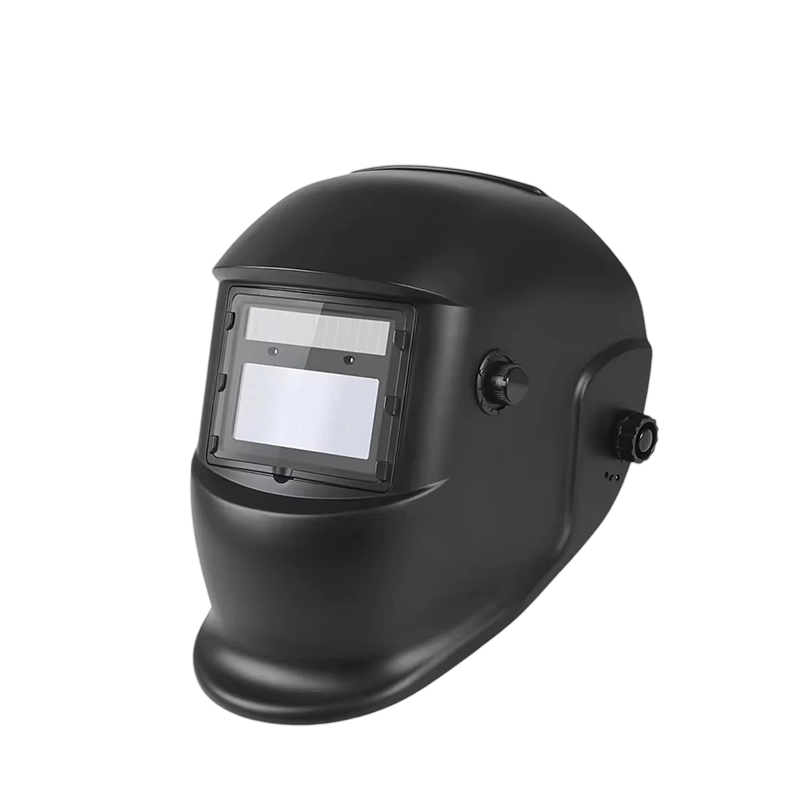
Elevate your welding experience with the Adjustable Comfort Welding Helmet, designed to deliver ...

The Integrated Protective Goggles Welding Helmet is a good solution designed to deliver grea...
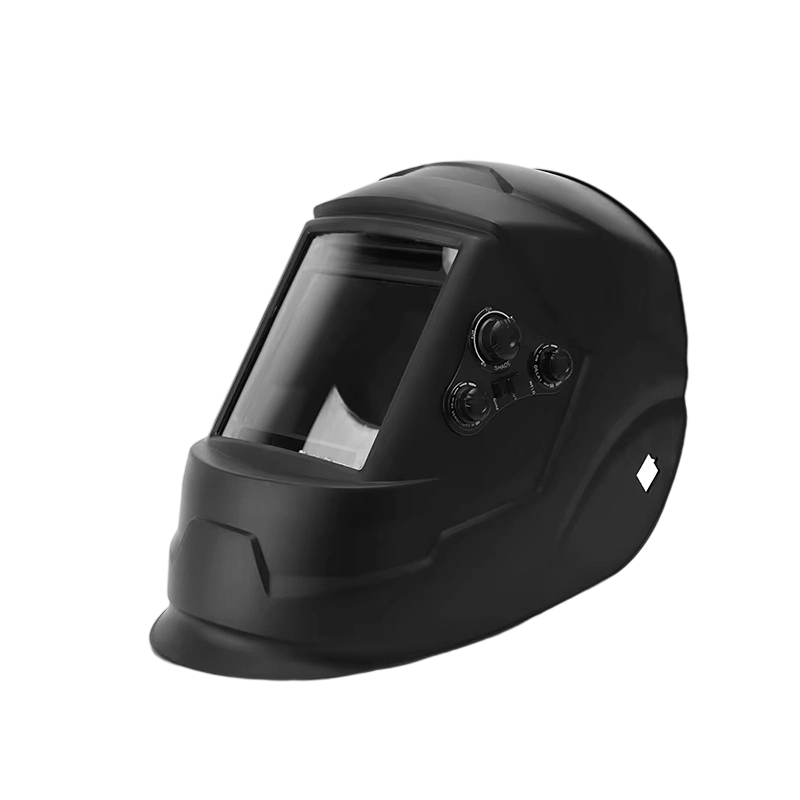
Engineered for professionals who demand reliability and durability, the Sturdy Industrial-Grade ...
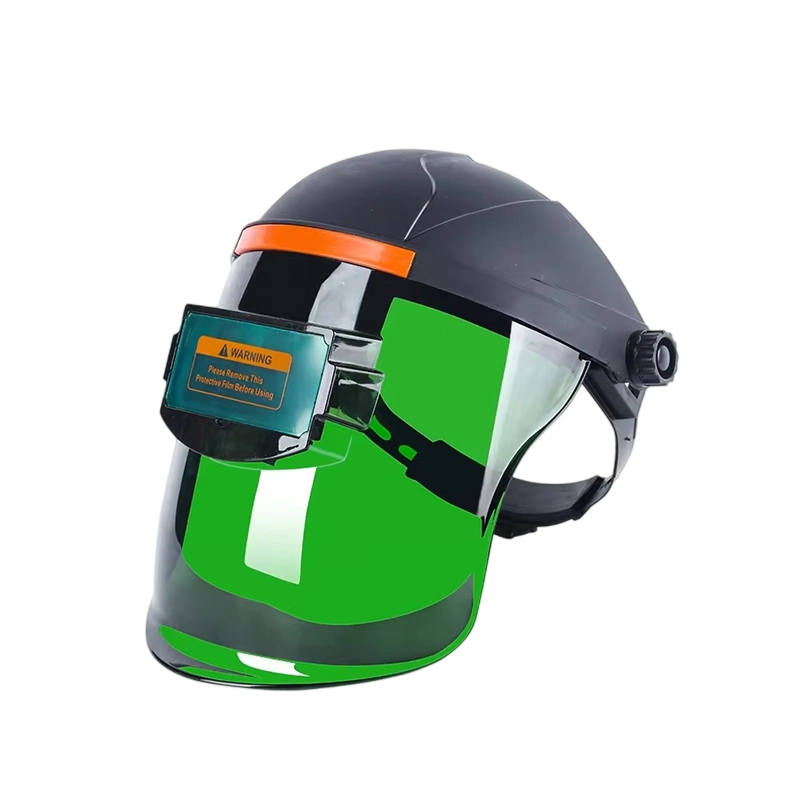
Elevate your welding experience with the Green-Tinted Automatic Variable Light Welding Helmet, d...
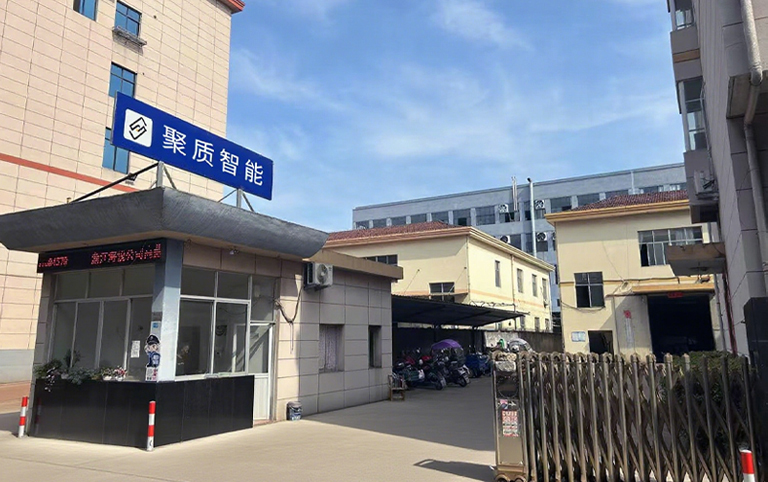
Inside a Welding Goggles Factory A welding goggles factory is a fascinating space where safety meets precision. Workers and machines collaborate to produce goggles that protect eye...
READ MORETIG welding torch factories are central to supplying precise welding equipment for industrial, automotive, and construction applications. Production begins with careful selection o...
READ MOREA Welding Rod Supplier occupies a central position within the metal joining industry. Welding rods, also known as electrodes, form the core consumable element in many welding proce...
READ MOREHeat-Resistant Welding Gloves remain a fundamental part of equipment in fabrication shops, construction sites, and metal repair facilities. In environments where sparks fly and mol...
READ MOREWelding is a skilled task that involves joining metals through high heat and electricity. While effective, the process exposes workers to various hazards, including sparks, ultraviolet (UV) and infrared (IR) radiation, heat, and flying debris. Protective welding helmets are crucial equipment that safeguard the eyes, face, and neck during welding operations. They not only prevent injuries but also help welders work efficiently and comfortably.
Welding helmets are designed to protect the more vulnerable parts of a welder’s body: the eyes and face. Exposure to the welding arc without proper protection can cause injuries such as arc eye, flash burns, and long-term vision problems. Sparks, molten metal, and flying debris can cause cuts, burns, or other injuries to the face and neck. Using a protective welding helmet reduces the risk of these hazards, allowing workers to focus on precision tasks safely. Helmets also provide a barrier against dust, smoke, and ultraviolet light, contributing to a safer working environment.
Effective welding helmets are built with several important features to ensure safety and comfort. These include:
Protective welding helmets can be categorized based on lens type, design, and features.
| Type | Lens Type | Protection Level | Common Use |
| Passive Helmet | Fixed shade lens | Standard | General welding tasks |
| Auto-Darkening Helmet | Variable shade lens | Adjustable | MIG, TIG, and arc welding |
| Flip-Up or Convertible Helmet | Passive or auto-darkening lens | Moderate | Tasks requiring frequent inspection |
| Powered Air-Purifying Helmet (PAPR) | Auto-darkening with air filtration | High | Welding in fume-intensive environments |
Each type is suitable for different welding processes and working conditions. Choosing the right helmet depends on safety requirements, visibility needs, and comfort.
Welding helmets are made from materials that provide durability, impact resistance, and heat protection. Common materials include:
When selecting a welding helmet, several factors should be considered:
Proper use and maintenance of welding helmets enhance safety and prolong the life of the equipment:
Protective welding helmets provide several advantages for workers:
Protective welding helmets are an essential component of a welder’s personal protective equipment. They provide reliable protection against heat, sparks, UV and IR radiation, and debris while supporting comfort and precision.

Email:
siogeewelding@gmail.com
Whatsapp:
+86 13305885557
Phone:
+86 17377705924
Get In Touch
Product Center
Get In Touch
