

 English
 中文简体
中文简体Don't hesitate to send a message
The Efficient Purple-Headed TIG Welding Torch redefines precision and performance in metal fabri...
The TIG Welding category encompasses a comprehensive range of high-quality tools and accessories designed to support precision gas tungsten arc welding (GTAW) processes. Engineered for versatility and performance, these products cater to professional welders and hobbyists alike, enabling seamless fabrication of thin materials, intricate joints, and critical applications requiring good weld quality. The category is divided into two primary subcategories: TIG Welding Torches and TIG Welding Accessories, each tailored to enhance functionality and efficiency in welding operations.
TIG Welding Torches form the core of any TIG welding setup, serving as the interface between the welder and the workpiece. These torches are meticulously designed for ergonomic handling, heat resistance, and durability under high-performance conditions. Featuring modular components such as interchangeable nozzles, collets, and gas lenses, TIG torches enable customizable gas shielding and precise electrode positioning, ensuring good weld precision and aesthetics. Whether manual or automated setups are required, TIG torches are engineered to provide consistent arc stability, reduced spatter, and extended operational lifespan, even in demanding environments.
TIG Welding Accessories complement the torches by addressing essential support needs throughout the welding process. This subcategory includes consumables, cleaning tools, and protective gear designed to streamline workflow and maintain equipment integrity. Items such as tungsten electrodes, filler rods, and gas nozzles are critical for achieving high-quality welds, while accessories like foot pedals, electrode grinders, and argon regulators enhance operational control and safety. Cleaning tools, such as wire brushes and solvents, ensure surface preparation meets stringent standards, while ergonomic grips and heat-resistant components prioritize user comfort and protection during prolonged use.
Together, these TIG welding solutions prioritize quality, precision, and user-centric design, catering to a wide spectrum of applications—from industrial fabrication and automotive repair to artistic metalworking. By combining advanced torch technology with practical accessories, this category ensures welders can achieve consistent, reliable results while adhering to industry good practices.
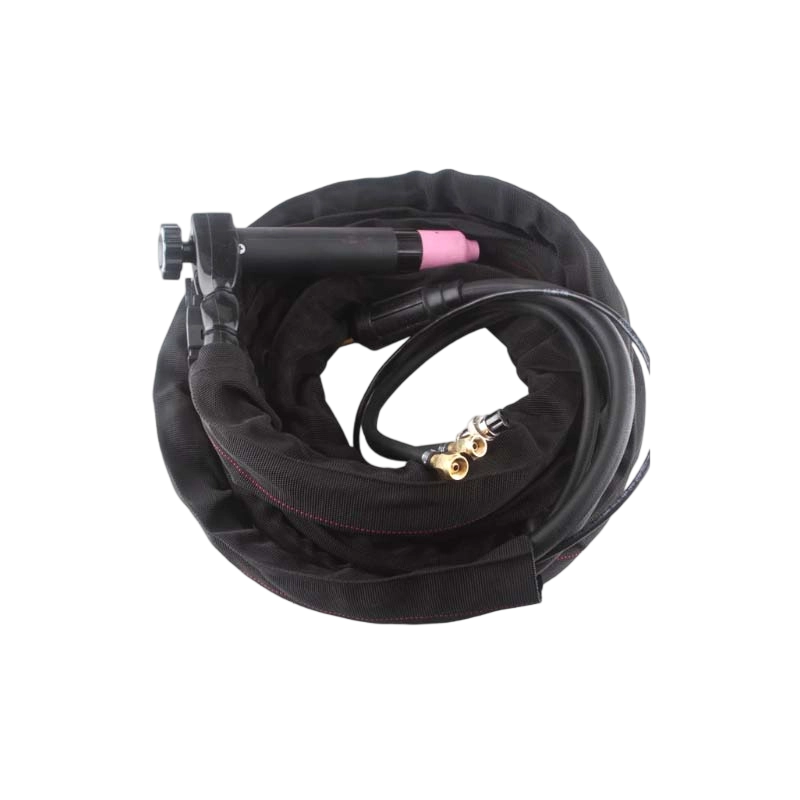
The Efficient Purple-Headed TIG Welding Torch redefines precision and performance in metal fabri...
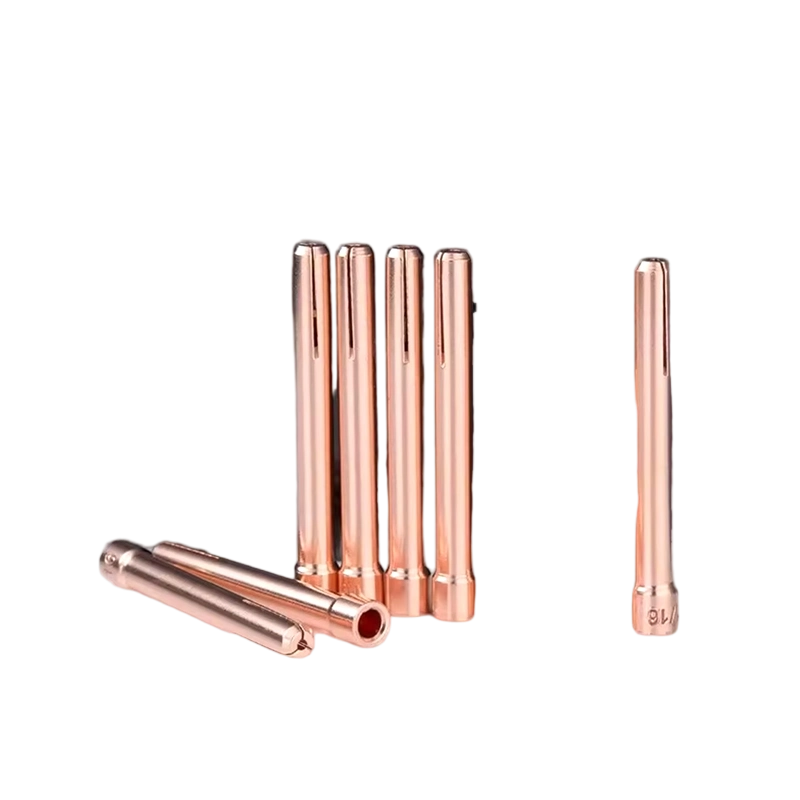
Elevate your welding and precision crafting projects with our High-Precision Copper Tungsten N...
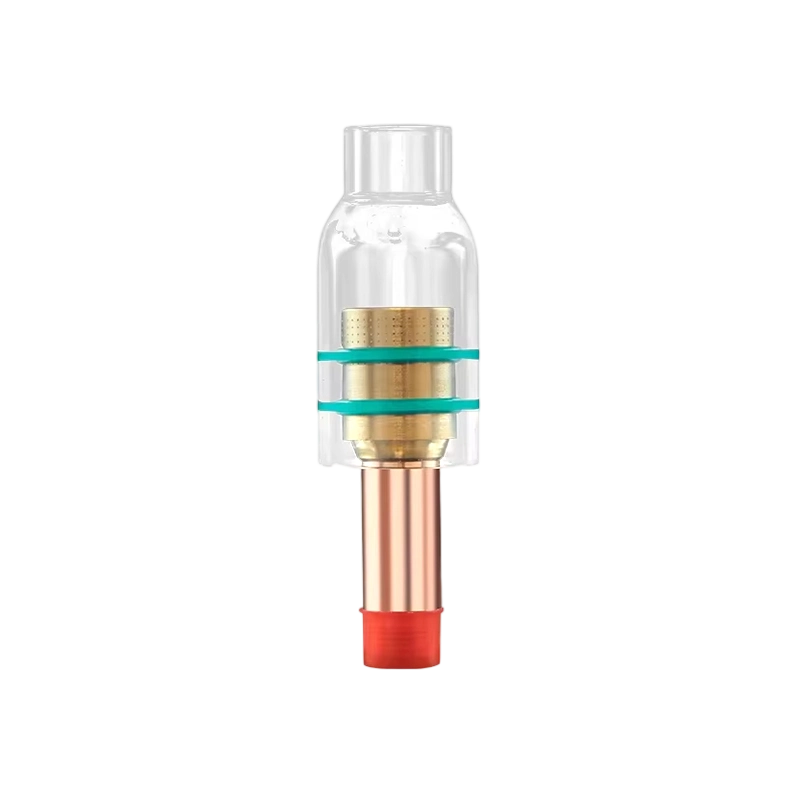
Elevate your TIG welding experience with this high-performance Dual Sealing Rings and Sturdy Cop...
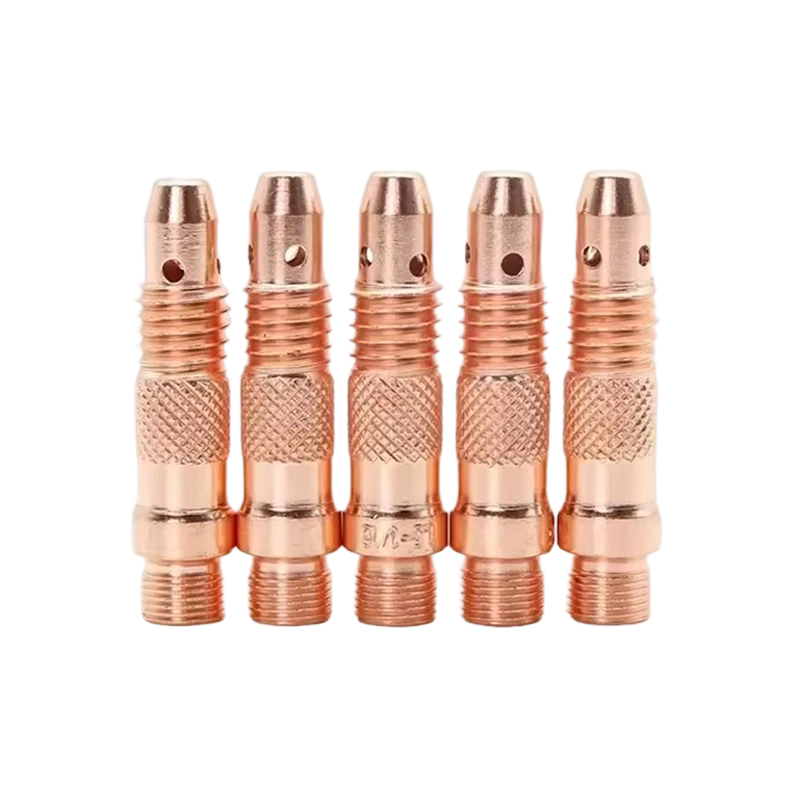
Elevate your TIG welding precision with our high-performance copper conductive nozzle, engineere...
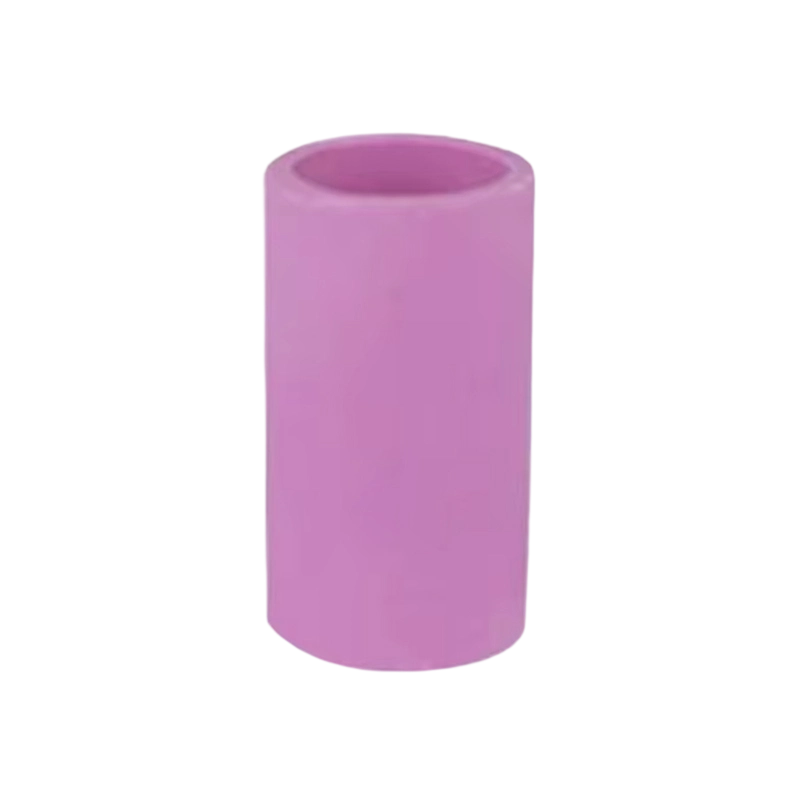
Elevate your TIG welding workflow with this distinctive Vibrant Pink Ceramic Nozzle, meticulo...
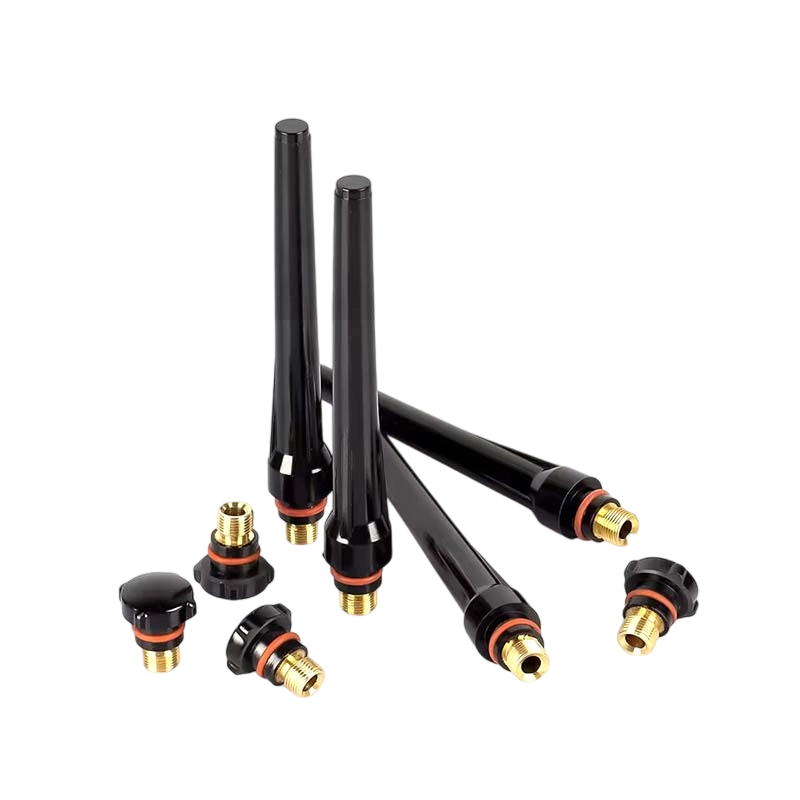
Enhance the efficiency and reliability of your industrial sealing operations with our good Press...
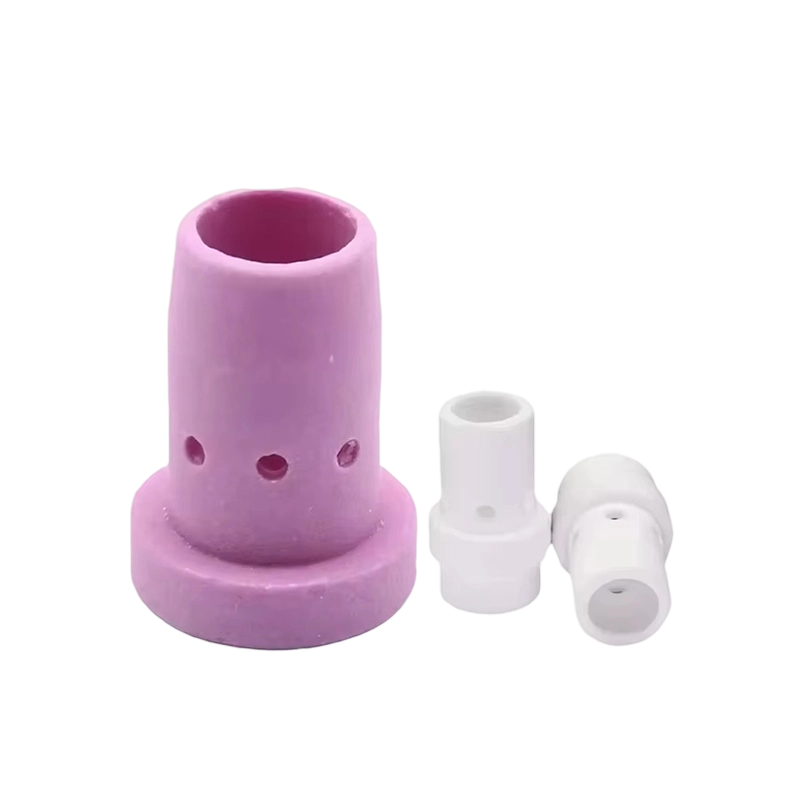
Crafted for precision and style, the Vibrant Purple and Snow-White Precision Ceramic Welding Shu...

Inside a Welding Goggles Factory A welding goggles factory is a fascinating space where safety meets precision. Workers and machines collaborate to produce goggles that protect eye...
READ MORETIG welding torch factories are central to supplying precise welding equipment for industrial, automotive, and construction applications. Production begins with careful selection o...
READ MOREA Welding Rod Supplier occupies a central position within the metal joining industry. Welding rods, also known as electrodes, form the core consumable element in many welding proce...
READ MOREHeat-Resistant Welding Gloves remain a fundamental part of equipment in fabrication shops, construction sites, and metal repair facilities. In environments where sparks fly and mol...
READ MORETIG welding (Tungsten Inert Gas Welding, also known as GTAW) is a welding method that uses a non-consumable tungsten electrode in a protective gas environment. It is widely used in industrial production due to its high weld quality, controllable welding process, and suitability for various metal materials. This article will provide a detailed introduction to the principles, equipment components, process characteristics, application scope, and operational precautions of TIG welding.
TIG welding achieves metal joining by generating an electric arc between the tungsten electrode and the workpiece, heating the workpiece locally to its melting temperature. During the welding process, an inert gas (such as argon or helium) is typically used to protect the welding area, preventing metal oxidation or slag formation.
The working principle can be summarized in the following steps:
A TIG welding system mainly consists of the following parts:
| Component | Function Description |
| Welding machine | Provides a stable DC or AC power supply to generate the welding arc |
| Tungsten electrode | Serves as a non-consumable electrode, withstanding high temperatures and forming the arc |
| Gas protection system | Uses inert gas to protect the welding area, preventing oxidation and nitriding |
| Welding torch | Connects the power supply, tungsten electrode, and protective gas, facilitating operation |
| Filler wire supply system | Provides filler wire when needed to enhance weld strength and integrity |
| Cooling device | Cools some high-power welding equipment to extend equipment life |
TIG welding has the following characteristics compared to other welding methods:
To achieve ideal welding results, the following parameters need to be considered during operation:
| Parameter | Typical Range and Description |
| Current Type | Direct Current (DC) for steel and copper alloys, Alternating Current (AC) for aluminum and magnesium |
| Current Intensity | 5A–300A, adjusted according to material thickness and welding position |
| Gas Flow Rate | 5–25 L/min, ensuring sufficient protection of the welding area |
| Welding Speed | 2–15 cm/min, too fast may lead to weld defects, too slow can cause overheating |
| Electrode Diameter | 1.0–4.0 mm, selected according to the welding material thickness and current |
| Filler Wire Diameter | 0.8–3.0 mm, used for filling welds or enhancing welding strength |
Due to its high quality and controllability, TIG welding is widely used in the following fields:
To ensure the safety and quality of TIG welding, operators need to pay attention to the following aspects:
| Advantages | Limitations |
| High weld quality and smooth surface | Relatively slow welding speed |
| Suitable for various metal materials | Requires high operator skill |
| Precise control of welding parameters | Low efficiency for welding thick plates |
| Less slag, reducing post-welding cleaning | High equipment and consumable costs |
| Capable of complex structure or precision welding | Requires continuous use of inert gas, increasing operating costs |
TIG welding plays an important role in industrial production due to its high quality and precision. By rationally selecting equipment, controlling welding parameters, and mastering operating techniques, precise welding of various metal materials can be achieved.

Email:
siogeewelding@gmail.com
Whatsapp:
+86 13305885557
Phone:
+86 17377705924
Get In Touch
Product Center
Get In Touch
