

 English
 中文简体
中文简体Don't hesitate to send a message
Crafted for industrial-grade performance, the Blue-Handled MIG Welding Torch delivers high preci...
The MIG Welding category encompasses essential tools and consumable components designed to enhance the efficiency, precision, and convenience of Metal Inert Gas (MIG) welding processes. This classification is divided into two primary subcategories: MIG Welding Torches and MIG Welding Accessories, each tailored to meet the diverse needs of welding professionals and hobbyists.
MIG Welding Torches serve as the core operational tool in MIG welding, serving as the interface between the welder and the workpiece. These devices are engineered to deliver a consistent flow of shielding gas and wire feed to the welding arc, ensuring good weld quality. Constructed with durability and ergonomic design in mind, MIG torches are available in various configurations, including air-cooled and water-cooled models, to suit different welding environments and intensity levels. Key features such as adjustable wire feed speed, ergonomic grips, and swappable contact tips enhance user control and operational versatility. Whether used for industrial applications or small-scale projects, MIG welding torches are indispensable for achieving precise, clean welds with little operator fatigue.
MIG Welding Accessories complement the core welding torch by providing supplementary tools and components to streamline workflows and maintain equipment performance. This subcategory includes a wide range of consumables and tools, such as welding nozzles, contact tips, gas diffusers, and liner systems, which ensure smooth wire feeding and consistent arc stability. Anti-spatter sprays, welding gloves, and protective caps further safeguard both the equipment and the operator during use. Additionally, cleaning tools like wire brushes and deslaggers facilitate post-weld maintenance, while storage solutions such as torch hangers and organizer kits help prolong the lifespan of MIG components by reducing wear and tear. For enhanced efficiency, advanced accessories like welding monitors, spool guns, and push-pull systems are also available, catering to specialized applications or high-volume production demands.
Together, MIG welding torches and accessories form an integrated ecosystem that elevates the welding experience. From enhancing precision and safety to simplifying maintenance and setup, these products empower users to achieve professional-grade results while optimizing productivity. Whether for professional fabricators or DIY enthusiasts, the comprehensive range of MIG welding tools ensures adaptability across various materials, techniques, and project scales. By investing in high-quality torches and accessories, welders can ensure consistent performance, reduce downtime, and unlock new possibilities for creativity and efficiency in their craft.
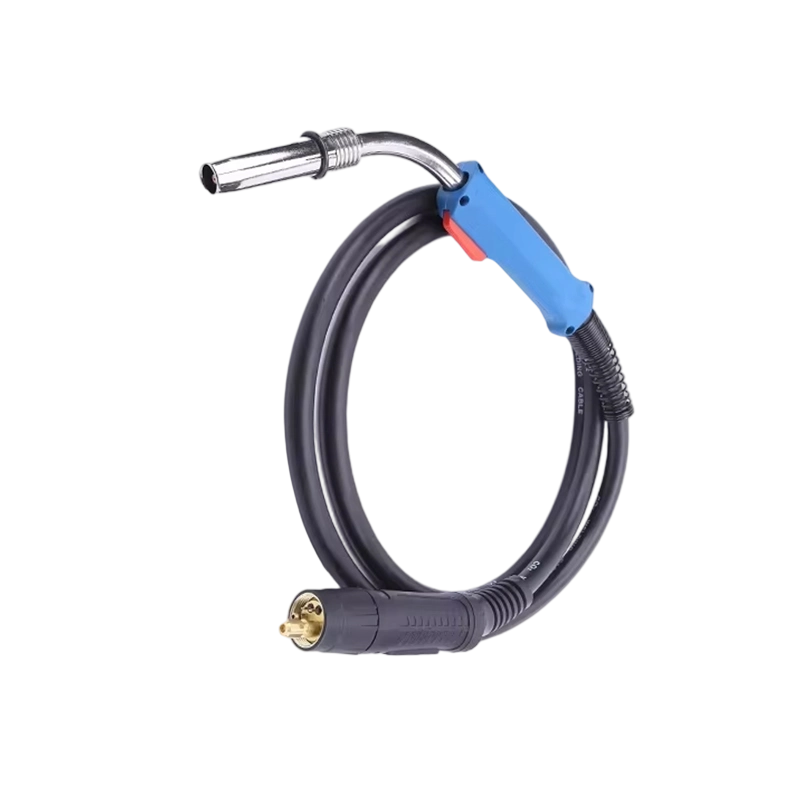
Crafted for industrial-grade performance, the Blue-Handled MIG Welding Torch delivers high preci...
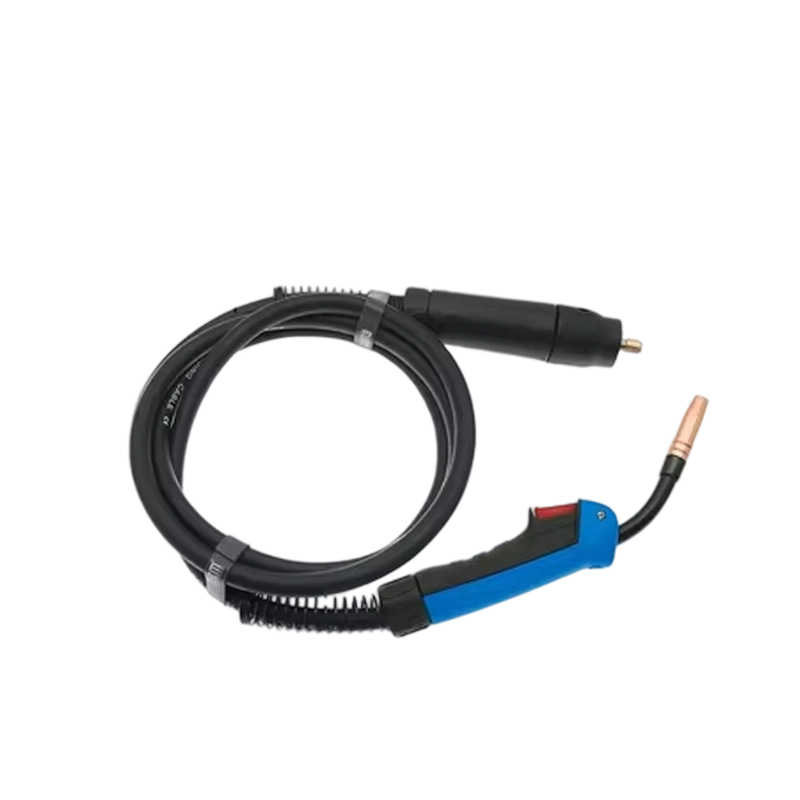
Crafted for demanding industrial environments, the Robust Industrial-Grade Precision MIG Welding...
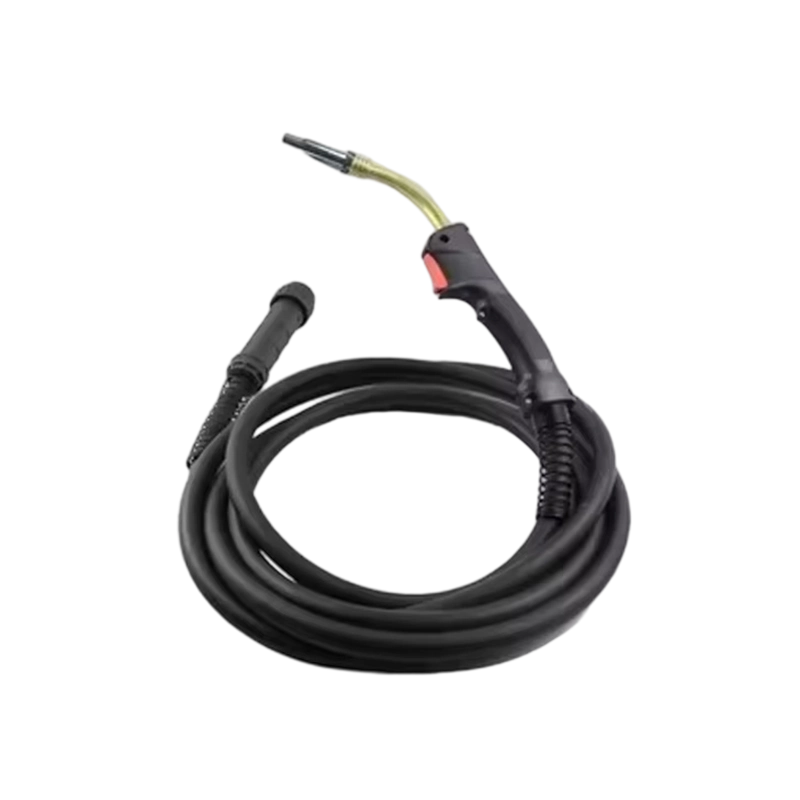
Engineered for demanding industrial applications, the Precision MIG Welding Torch is a versatile...
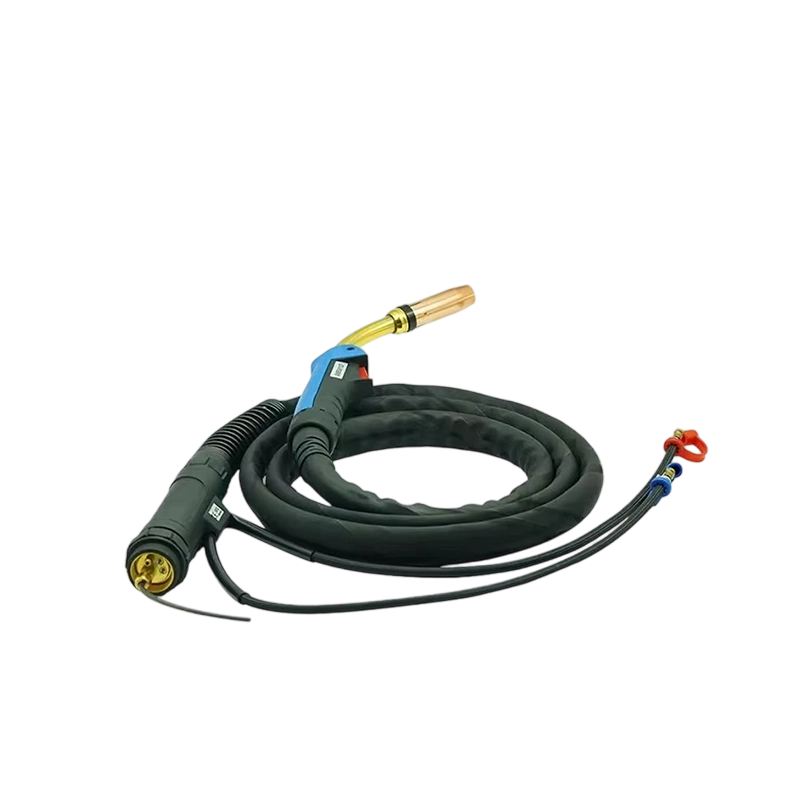
The High-Performance Precise MIG Welding Torch is an advanced tool engineered to meet the demand...
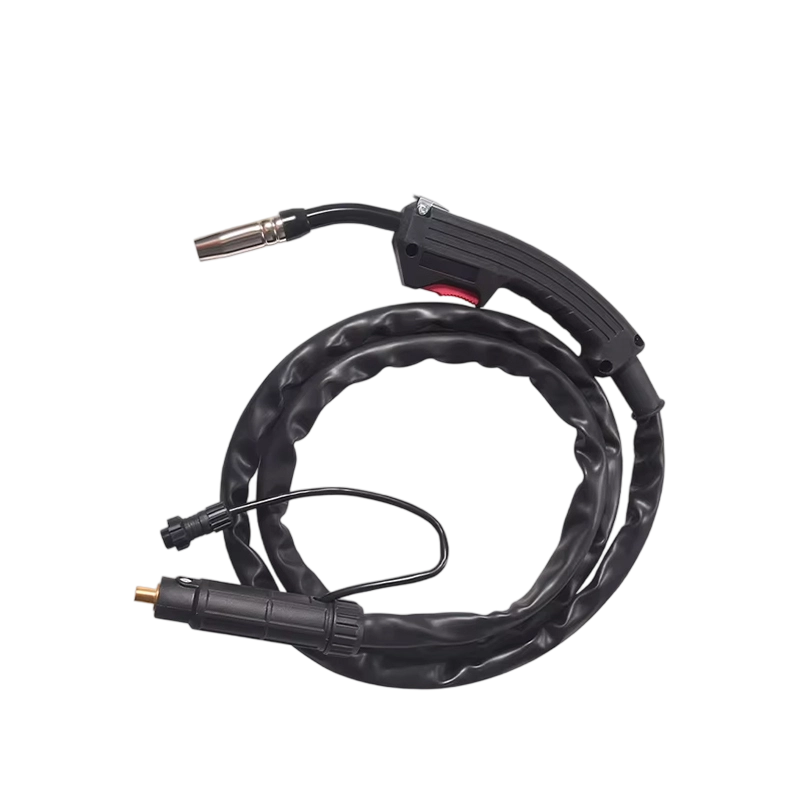
The Enhanced Flexibility Ergonomic Industrial-Grade MIG Welding Torch is designed to elevate ope...
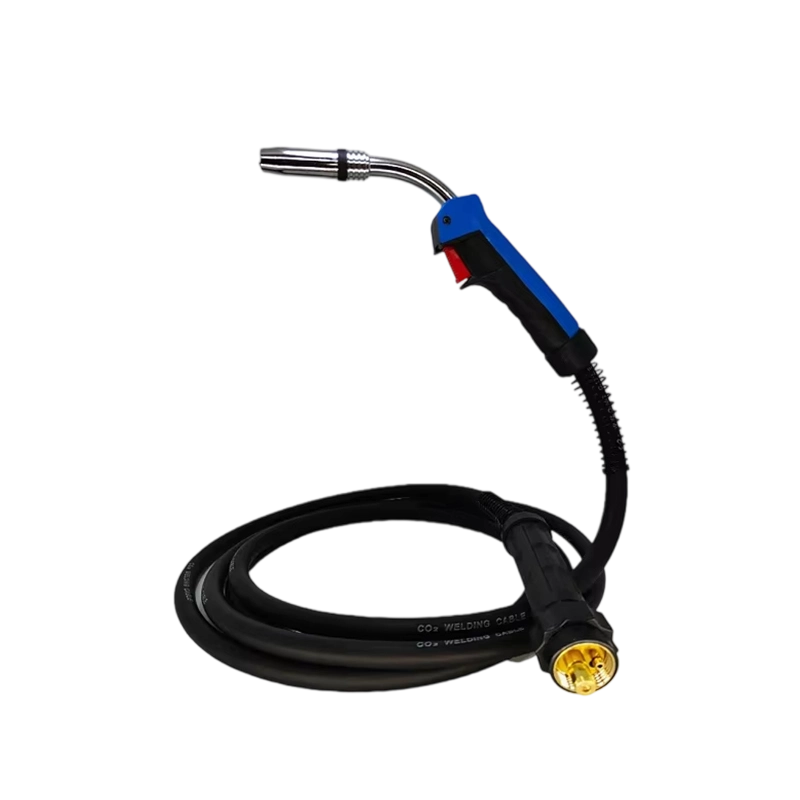
Engineered for professionals tackling rugged welding projects, the Blue-Handled MIG Welding Torc...
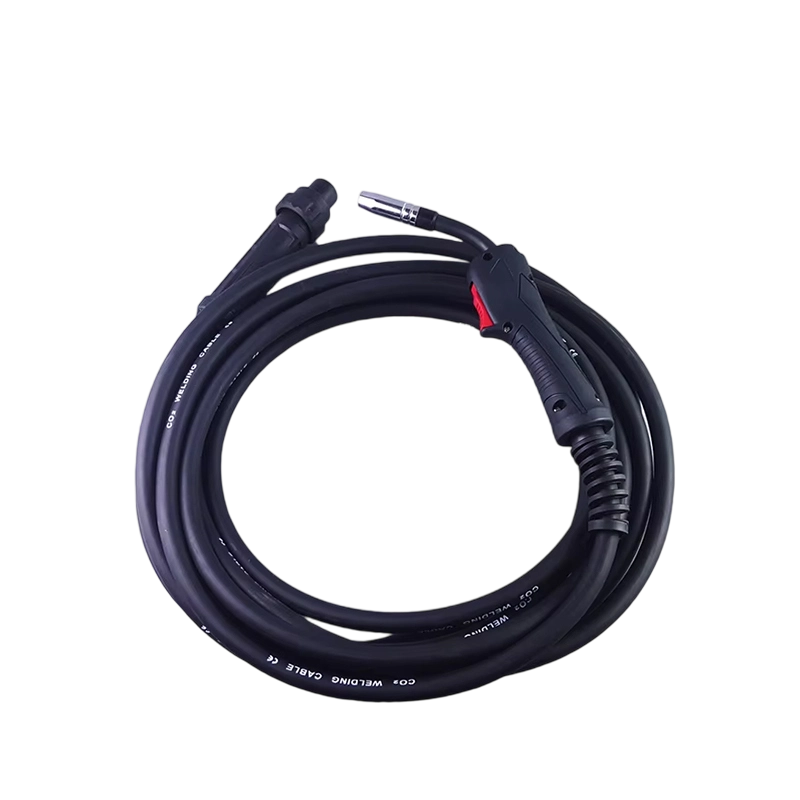
The Precise Industrial-Grade Cable Assembly MIG Welding Torch is engineered for professionals de...
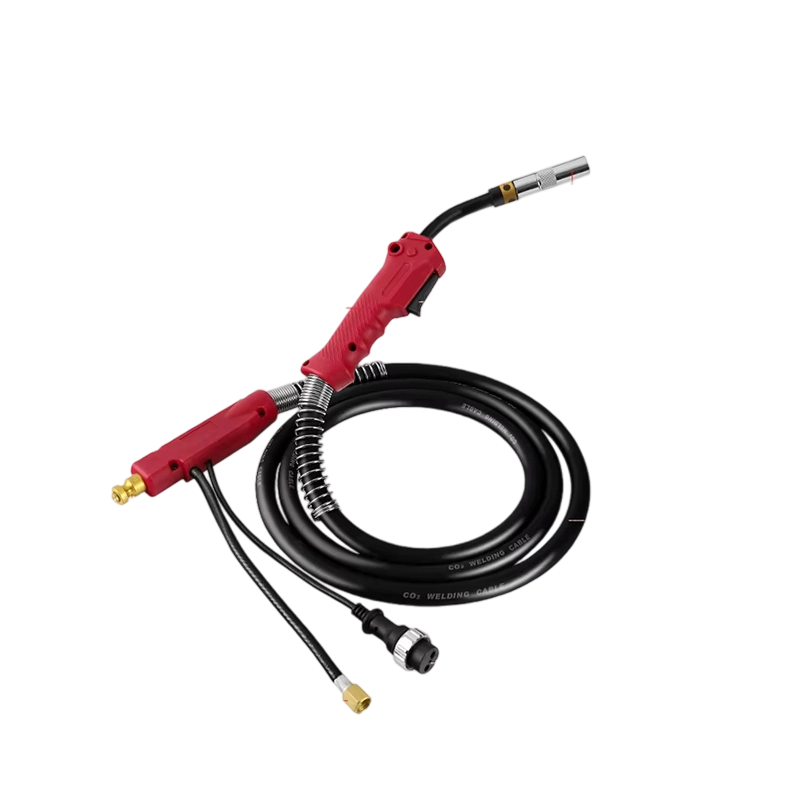
Engineered for demanding industrial environments, the Sturdy Flexible Articulation MIG Welding T...
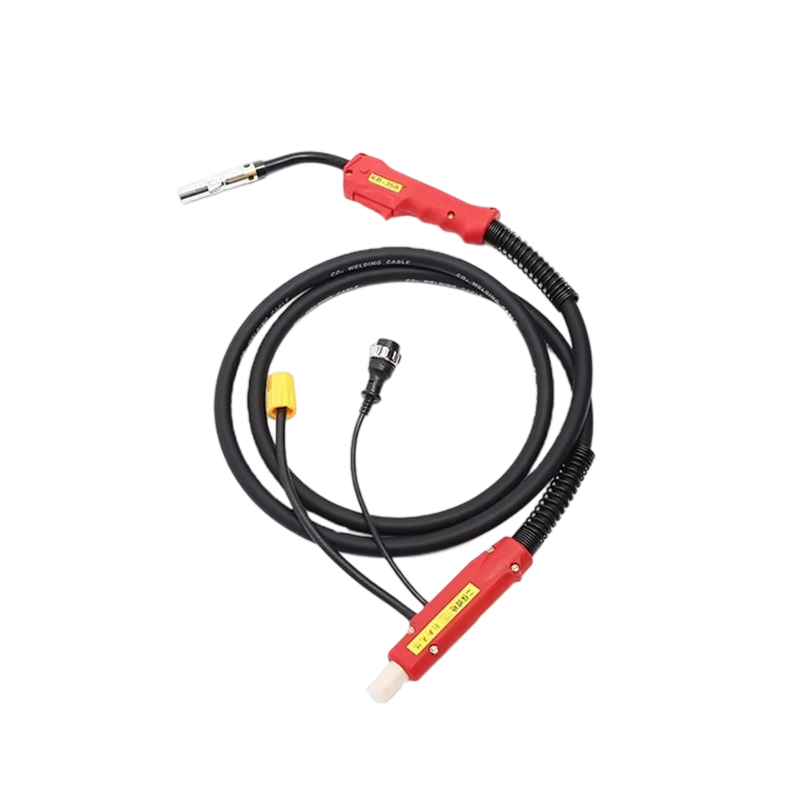
Engineered for good performance and operator comfort, the Seiko-Engineered Precision MIG Welding...

Crafted with ergonomic precision and good materials, our Wooden Brass Insulation Sleeves are the...
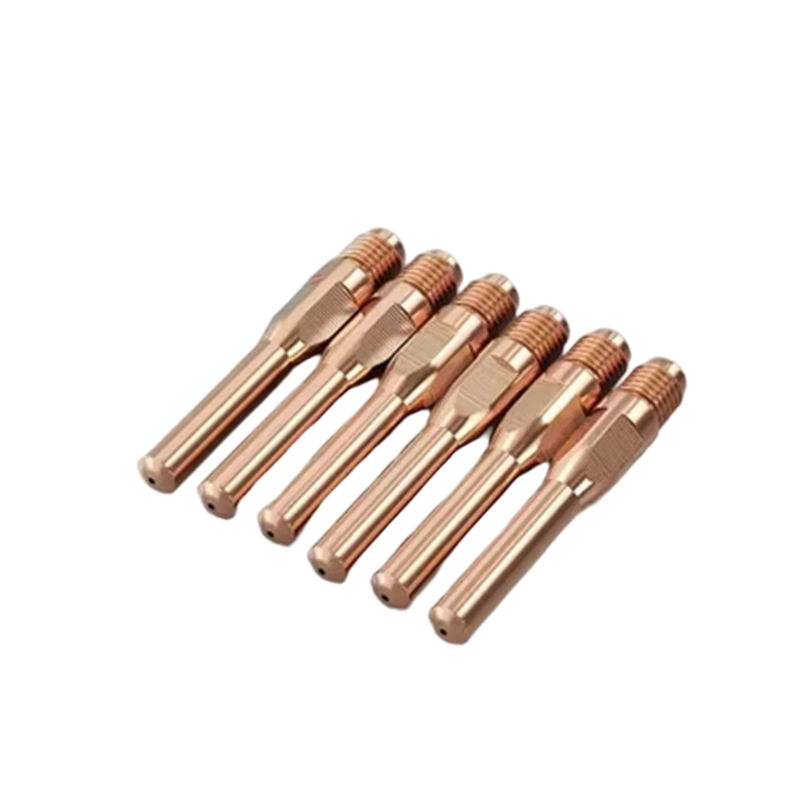
Elevate your MIG welding performance with our High-Precision Copper Contact Tips, meticulous...
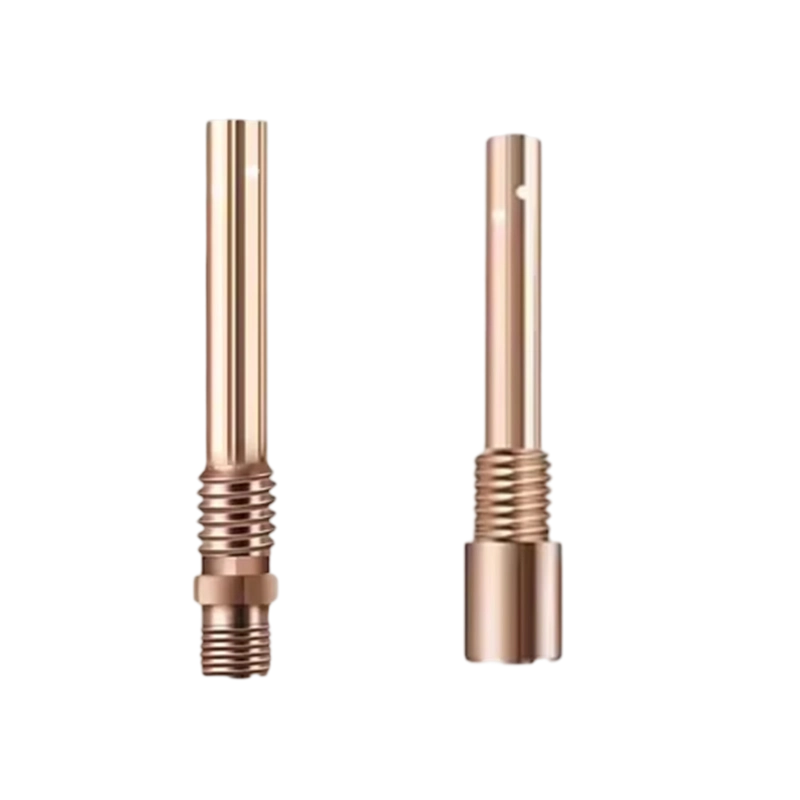
Elevate the performance of your MIG welding setup with our Threaded Copper-Plated Connecting Rod...
Inside a Welding Goggles Factory A welding goggles factory is a fascinating space where safety meets precision. Workers and machines collaborate to produce goggles that protect eye...
READ MORETIG welding torch factories are central to supplying precise welding equipment for industrial, automotive, and construction applications. Production begins with careful selection o...
READ MOREA Welding Rod Supplier occupies a central position within the metal joining industry. Welding rods, also known as electrodes, form the core consumable element in many welding proce...
READ MOREHeat-Resistant Welding Gloves remain a fundamental part of equipment in fabrication shops, construction sites, and metal repair facilities. In environments where sparks fly and mol...
READ MOREMIG welding, with its ease of operation, neat welds, and wide range of applications, has become an important welding method in automotive manufacturing, mechanical processing, shipbuilding, and metal structure production. Simultaneously, the development of MIG welding machines has driven welding technology towards intelligence and high efficiency.
MIG welding, also known as Metal Inert Gas welding, is a fusion welding method that uses an inert gas to protect the welding area. The welding wire is continuously fed into the welding zone through the welding gun, while an inert gas such as argon or helium covers the weld to prevent oxidation and contamination. This process enables continuous welding on various metal materials such as steel, aluminum, and stainless steel, and is suitable for processing thin to medium-thick plates.
Compared to traditional manual welding, MIG welding offers advantages in welding speed, weld uniformity, and operational stability. Modern MIG welding machines are typically equipped with automatic wire feeding devices, precise current control, and protective gas regulation systems, making the welding process easier to standardize and reproduce.
Technical Characteristics of MIG Welding Machines
The MIG welding machine is the core equipment for implementing the MIG welding process. It ensures the stability and quality of the weld by controlling the welding current, voltage, and wire feeding speed. Compared to manual welding, MIG welding machines have a lower operating load, making them suitable for long-term continuous production.
Modern MIG welding machines prioritize safety and efficiency in their design. For example, more devices are equipped with anti-spatter functions and overheating protection systems, and precise adjustment of welding parameters can be achieved through digital control. These improvements not only reduce the difficulty of operation but also improve material utilization and weld consistency.
Industrial Applications and Development Trends
MIG welding technology is widely used in automotive manufacturing for body welding, aluminum alloy component welding, and mechanical parts assembly. In shipbuilding, bridge construction, and pipeline engineering, MIG welding provides efficient on-site welding solutions.
As manufacturing moves towards intelligence and automation, MIG welding machines are constantly being upgraded. For example, combining robotic arms and automated welding control systems can achieve welding tasks for complex workpieces, improving production efficiency and reducing human error. Simultaneously, welding process optimization and digital parameter management further enhance welding quality and production efficiency.
During the MIG welding process, the welding arc and high-temperature metal can pose safety risks; therefore, equipment is usually equipped with protective covers, operational isolation, and fume extraction systems. MIG welding machines are designed with operator ergonomics and safety in mind, creating a safer working environment.
In terms of environmental protection, MIG welding reduces welding fumes through inert gas shielding, while also offering high welding efficiency and improved material utilization. Companies can further reduce their environmental impact by improving exhaust and filtration systems, meeting the requirements of modern industrial sustainable development.
MIG welding technology will be further integrated with intelligent manufacturing, industrial robots, and digital control systems. High-precision welding, automated welding processes, and convenient on-site operation will lead to wider applications of MIG welding technology in industries such as automotive, electronics, shipbuilding, and machinery manufacturing.
Upgrades to MIG welding machines will include multi-functional integration, intelligent adjustment of welding parameters, and higher energy efficiency. As the manufacturing industry demands greater flexibility, precision, and efficiency in production, MIG welding and its equipment will continue to play a core role in industrial production.

Email:
siogeewelding@gmail.com
Whatsapp:
+86 13305885557
Phone:
+86 17377705924
Get In Touch
Product Center
Get In Touch
