
 English
 中文简体
中文简体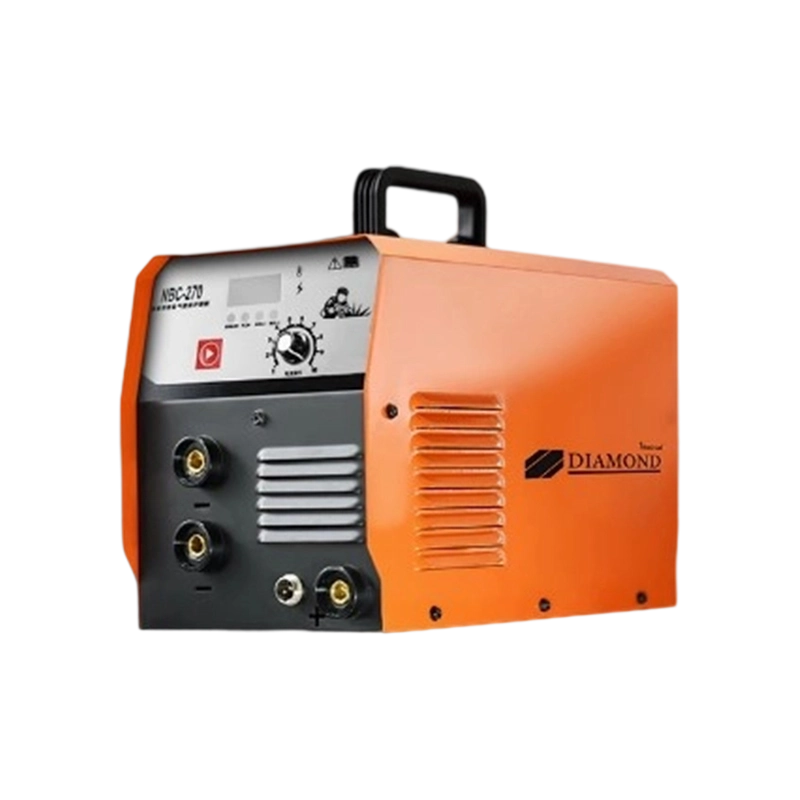
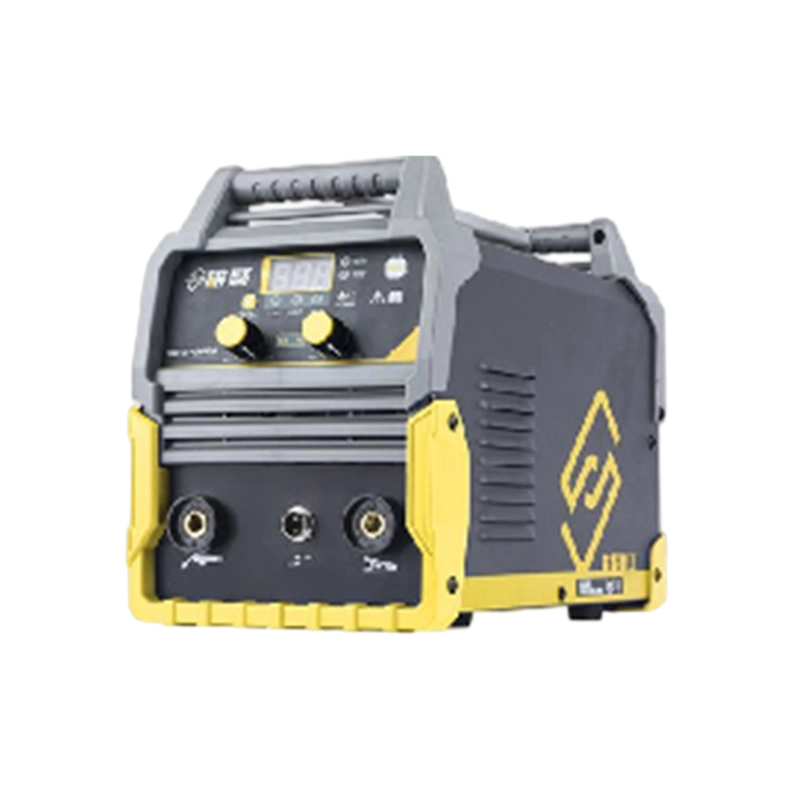
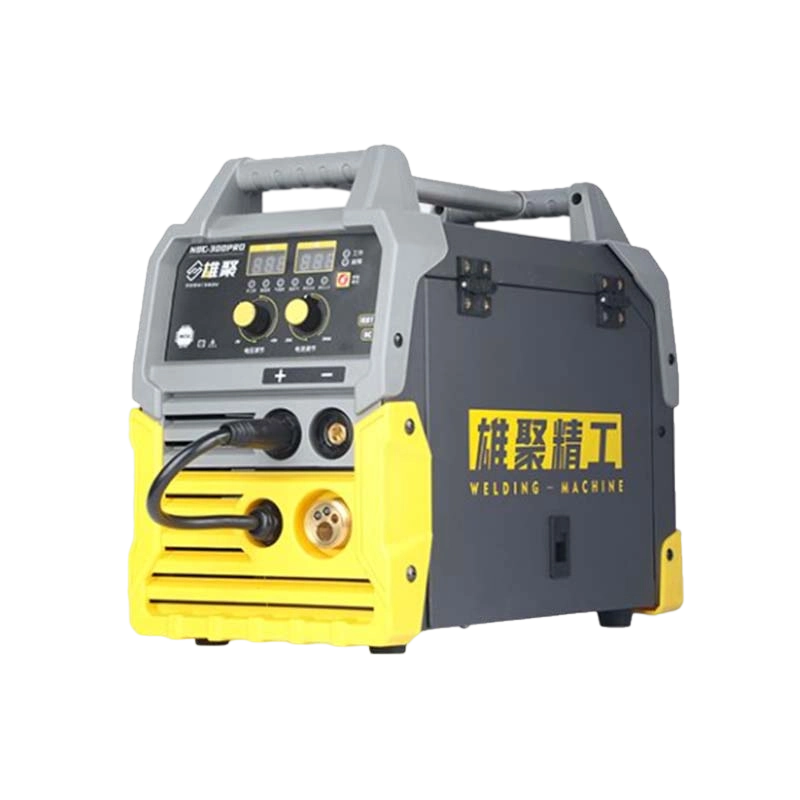
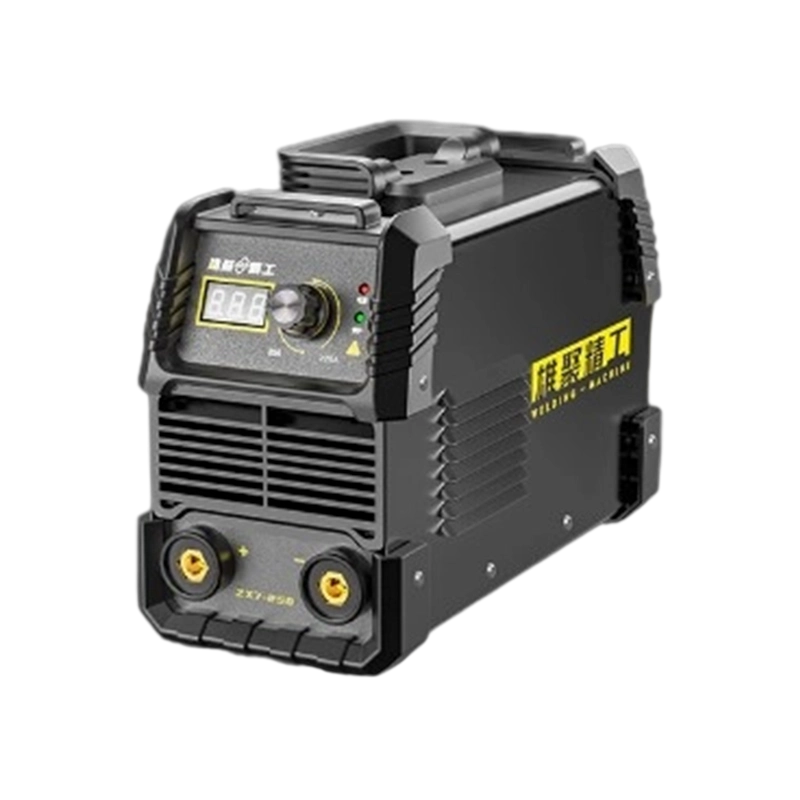
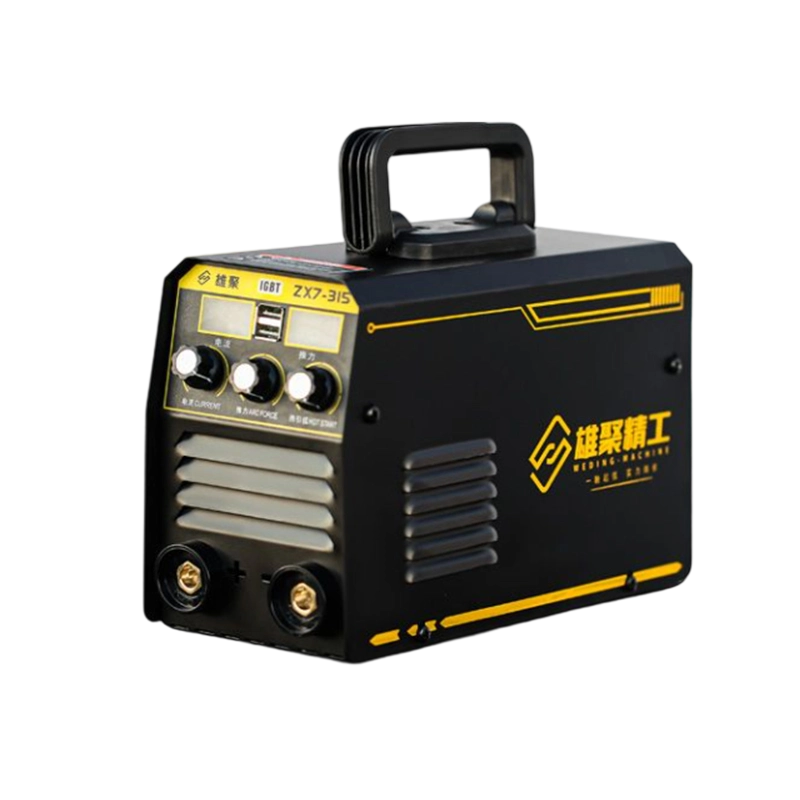
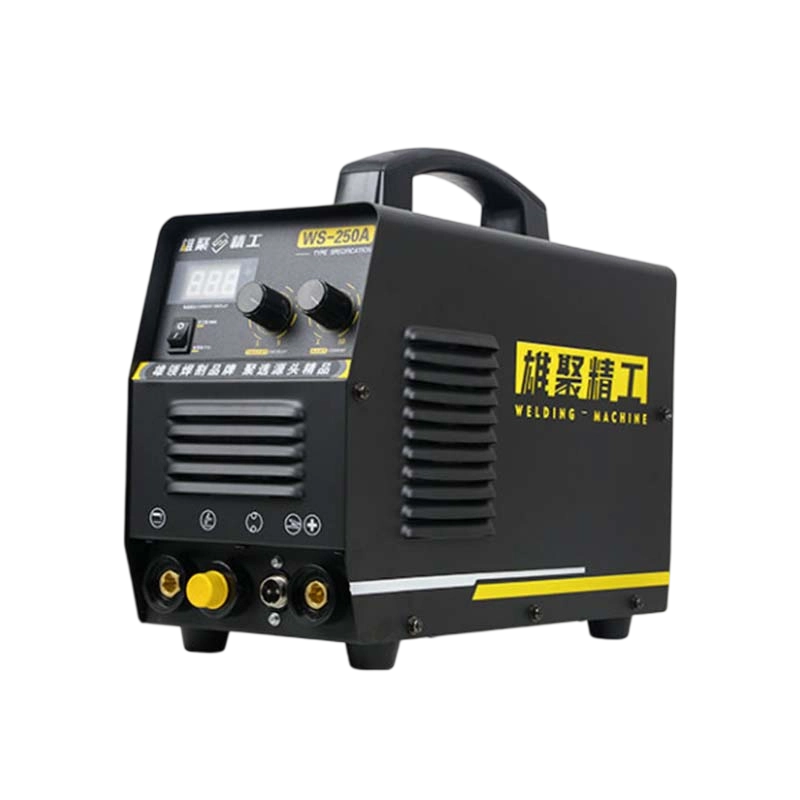
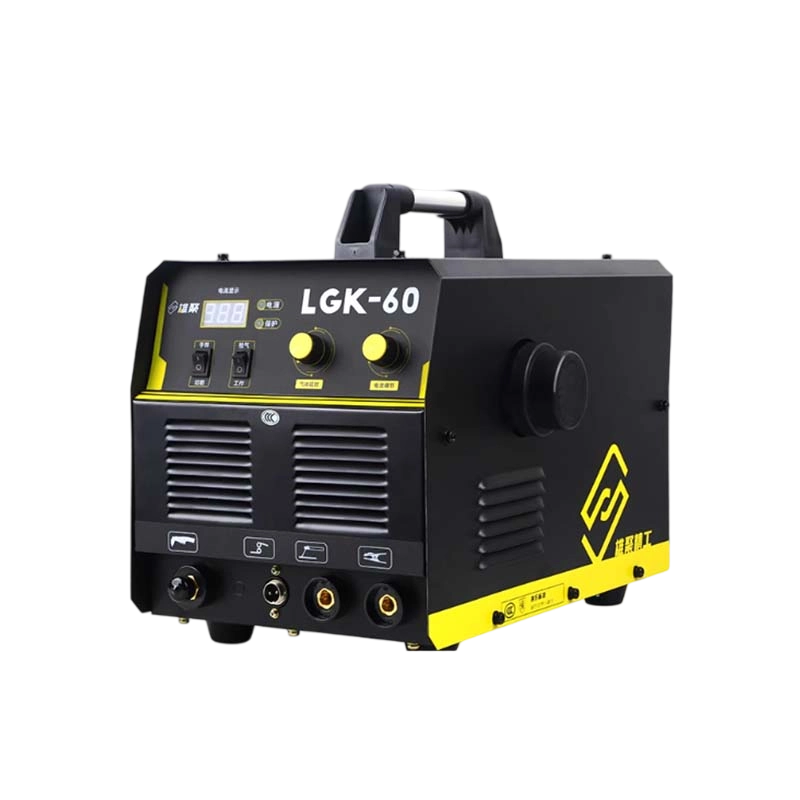
Engineered for good performance in demanding industrial environments, the Professional Orange Weldin...
Pull the welding machine off a fabrication floor and a surprising number of things stop. Structural steel cannot be joined. Pipe runs cannot be completed. Automotive frames sit unfinished. The industrial welding machine is not a glamorous piece of equipment — it sits in corners, gets covered in spatter, and runs hot for hours — but it is the piece of kit that holds a lot of manufacturing together, sometimes literally.
What separates an industrial welding machine from a hobbyist unit
The short answer is duty cycle. A hobbyist welder might run at 20% duty cycle — meaning it can weld for two minutes out of every ten before it needs to cool down. An industrial welding machine is built for sustained output: 60%, 80%, or 100% duty cycle at rated amperage. On a busy production line or a construction site running multiple shifts, that difference really adds up. When a machine starts overheating and shuts down halfway through a job, it throws everything off — you get delays, weak or messy welds, and sometimes entire batches of parts that end up in the scrap bin.
Beyond duty cycle, industrial machines carry heavier internal components — larger transformers or inverter stacks, heavier cables, more robust wire feed mechanisms — and are built to hold calibration over years of daily use rather than occasional weekend projects.
The main welding processes and where each one fits
Industrial welding machines are not interchangeable. Each process suits different materials, joint types, and production speeds. The four processes that account for the bulk of industrial welding work are:
- MIG / GMAW — wire-feed process, fast and relatively easy to automate; the standard choice for carbon steel fabrication, automotive bodywork, and structural work where speed matters more than cosmetic finish
- TIG / GTAW — tungsten electrode, no filler wire fed automatically; slower than MIG but produces clean, precise welds; used on stainless steel, aluminum, and thin-wall tubing where appearance and weld integrity both matter
- Stick / SMAW — consumable electrode, no shielding gas cylinder required; portable and tolerant of dirty or rusty base metal; common in field work, pipeline repair, and heavy structural applications where conditions are not controlled
- Flux-core / FCAW — wire-feed like MIG but with a flux-filled electrode; handles outdoor conditions and thicker sections better than solid-wire MIG; used in shipbuilding, heavy equipment repair, and construction steel
Power supply types — transformer, inverter, and engine-driven
The power supply inside the machine shapes its weight, portability, and arc characteristics. Transformer-based machines are heavy and fixed but deliver a stable arc at high amperage — still found in heavy fabrication shops where the machine never moves. Inverter-based machines do the same job in a fraction of the weight, respond faster to arc conditions, and draw less power from the supply. They have largely replaced transformers in new installations except at the very high end of the amperage range.
Engine-driven welders run off an internal combustion engine and need no external power supply. They go to the job rather than waiting for the job to come to them — pipeline construction, remote infrastructure work, field repair on mining or agricultural equipment. The trade-off is noise, fuel cost, and more moving parts to manage.
Industrial welding machines are bought to run hard for years. The specs on the data sheet matter, but so does the reputation of the manufacturer's service network — because at some point, something will need replacing, and waiting three weeks for a part on a machine running double shifts is a real cost.