
 English
 中文简体
中文简体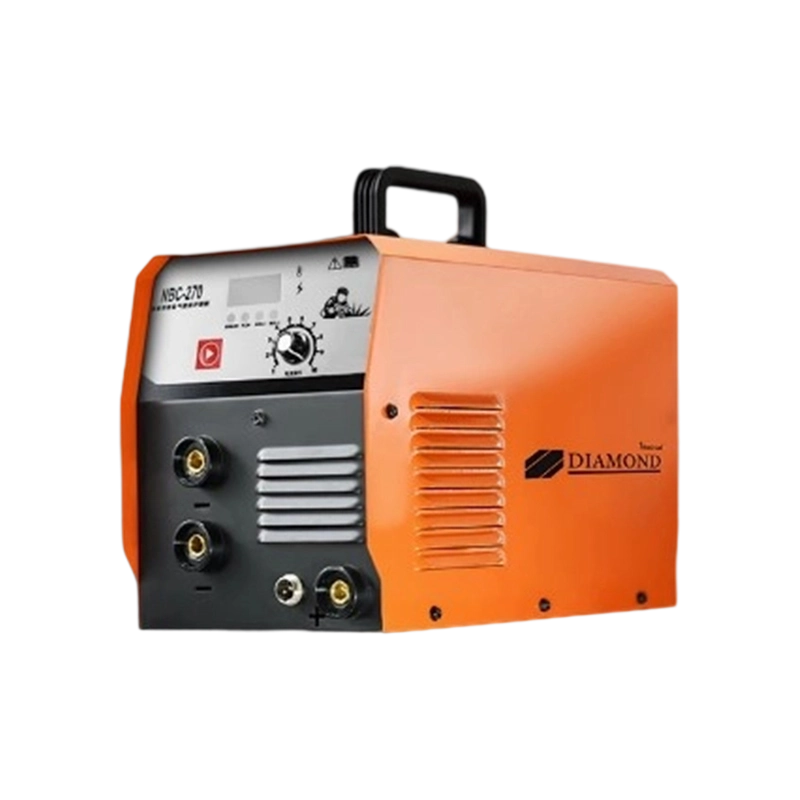
Engineered for good performance in demanding industrial environments, the Professional Orange Weldin...
When you see a welder at work, bright sparks fly, and the air glows with intense light. But have you ever thought about where their eye protection comes from? Behind every reliable pair of welding goggles is a welding goggles factory — a place where materials, design, and careful assembly come together. These factories do not just make a product; they solve a real problem. Welders need to see clearly while keeping their eyes safe from harmful ultraviolet and infrared rays. A welding goggles factory works to meet that need, one pair at a time.
The choice of lens shade is an important decision inside a welding goggles factory. Different welding tasks produce different brightness levels. A factory might produce goggles with shade numbers ranging from 3 to 14. Lower numbers are for light grinding or cutting, while higher numbers are for heavy arc welding. The factory must ensure that each lens meets the correct shade level without letting through dangerous radiation. This is done using light meters and other testing tools. You do not need to know the technical details as a user, but the factory workers take these measurements seriously.
Another thing a welding goggles factory thinks about is comfort. Welders often wear goggles for long hours. If the goggles pinch the nose or slide down, they become a distraction. So factories design adjustable headbands, soft nose bridges, and lightweight frames. Some models include ventilation holes to reduce fogging. The factory might test different rubber or silicone materials to find a balance between a snug fit and breathability. All of these small choices add up to a product that welders can wear without constant readjustment.
You might wonder how a welding goggles factory makes sure that every pair is safe. One common method is batch testing. From every hundred goggles, the factory takes a few samples and subjects them to impact tests. A steel ball is dropped onto the lens from a set height. If the lens cracks but does not shatter, that is usually acceptable. If it breaks into sharp pieces, the factory will check the production process. These tests are not about being perfect — they are about being reliable. Factories also test the frames for flexibility. A frame that is too stiff might snap under pressure; a frame that is too soft might not hold the lens securely.
Many welding goggles factories also offer different styles to fit various work environments. Some goggles look like oversized glasses with side shields. Others are closer to a full-eye seal, similar to ski goggles. The factory may produce both types. For workers who wear prescription glasses, some factories make “over‑the‑spectacle” goggles that fit comfortably over regular eyewear. These small variations show that a welding goggles factory pays attention to real‑world needs.
When you buy a pair of welding goggles, the label usually tells you the shade number and the material. But behind that label is a whole factory process. The plastic pellets that become the frame started as raw material delivered on a truck. The lens sheets arrived in stacks. The metal springs in the headband came from another supplier. A welding goggles factory brings all these parts together. The people working there know that their product will be used in hot, bright, and sometimes dangerous conditions. That knowledge influences how they do their jobs — carefully, step by step.