
 English
 中文简体
中文简体
Engineered for good performance in demanding industrial environments, the Professional Orange Weldin...
The Expanding Role of a Plasma Cutting Torch Supplier
A Plasma Cutting Torch Supplier plays a central role in metal fabrication sectors that rely on speed, accuracy, and consistent performance. From automotive parts production to structural steel processing, plasma cutting technology has become a common presence on workshop floors. Behind each cutting arc stands a supplier responsible for delivering torches that meet the demands of different thicknesses, materials, and working conditions.
Plasma cutting relies on ionized gas to transfer energy to conductive metals, generating a focused arc capable of slicing through steel, aluminum, and stainless materials. The torch itself serves as the interface between machine and operator. A Plasma Cutting Torch Supplier provides equipment designed for manual handling, mechanized systems, and CNC table integration.
Industrial buyers often evaluate torch compatibility with power sources, amperage range, cable length, and ergonomic design. A supplier that offers clear technical specifications and flexible configurations can better serve fabrication companies with diverse production lines. Small workshops may prefer lightweight handheld torches, whereas larger facilities often require models engineered for automated cutting tables.
Product Range and Technical Features
The product catalog of a Plasma Cutting Torch Supplier usually includes air plasma torches, high-frequency start systems, and pilot arc models. Each design responds to specific operational conditions. Air plasma systems are commonly used in light industrial environments, offering practical solutions for maintenance teams and fabrication shops.
Mechanized torches often include mounting brackets designed for CNC systems. These models emphasize stable arc performance and precise alignment. Swirl rings, nozzles, electrodes, and shields form key internal components that influence cut quality and arc focus. A supplier that standardizes component dimensions across models can simplify procurement for clients managing multiple machines.
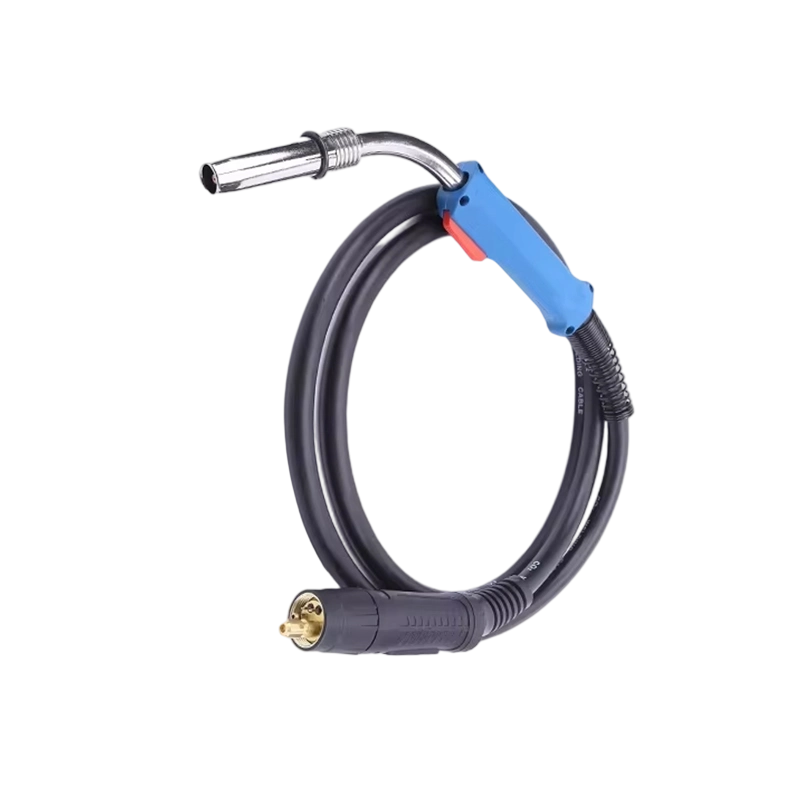
Cable assemblies vary in length and flexibility. Some industrial settings require extended reach for large steel sheets, while compact spaces benefit from shorter cable designs that reduce clutter. Handle structure also matters. Balanced grip distribution can help operators maintain steady movement during manual cutting tasks.
Materials used in torch construction influence durability and performance consistency. Copper elements ensure electrical conductivity, while insulated housings protect internal wiring. A Plasma Cutting Torch Supplier often works closely with machining partners to achieve uniform tolerances in these parts.
Packaging formats may include complete torch kits or separate consumable packs. Workshops frequently purchase consumables in bulk quantities to align with production schedules. Clear labeling and part identification reduce confusion during equipment setup.
Industry Applications and Market Demand
Plasma cutting technology appears across industries that process conductive metals. Construction companies rely on torches to shape beams and plates. Shipbuilding yards cut large steel sections into structural components. Automotive repair centers use compact plasma systems for body panel modifications.
A Plasma Cutting Torch Supplier often adapts product offerings to align with these varied environments. In heavy fabrication plants, torches must withstand prolonged operating cycles. In smaller workshops, portability and ease of installation may hold greater importance.
International trade has expanded access to plasma equipment. Suppliers coordinate logistics to deliver products to distributors and end users across regions. Trade exhibitions and technical demonstrations offer opportunities to showcase new torch models and application examples.
Price considerations differ depending on output requirements and brand positioning. Some clients focus on cost efficiency for routine cutting tasks, while others prioritize long operational cycles for high-volume production. A Plasma Cutting Torch Supplier balances these factors when structuring product lines.