
 English
 中文简体
中文简体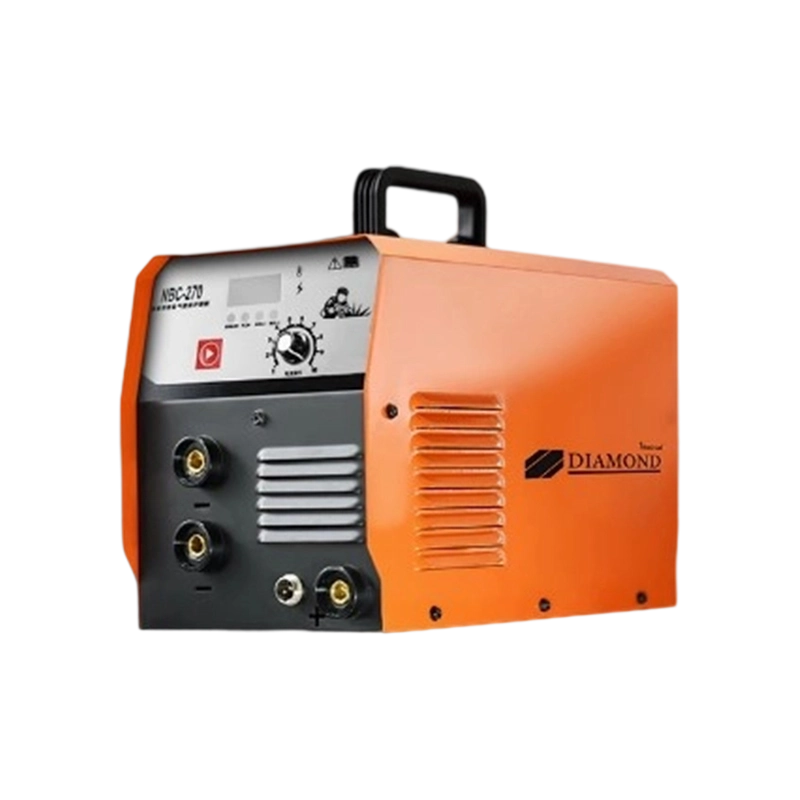
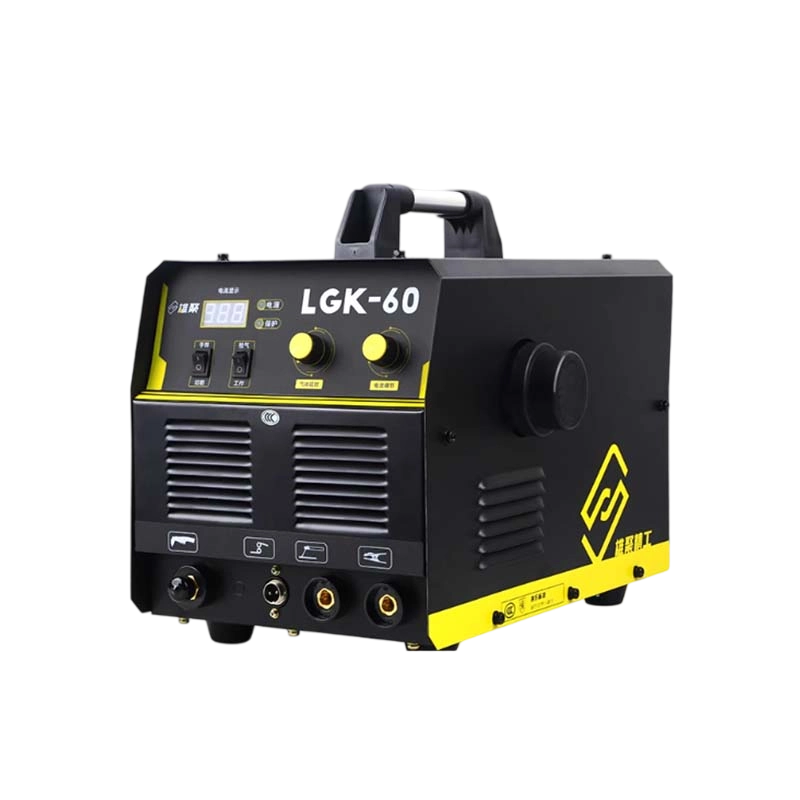
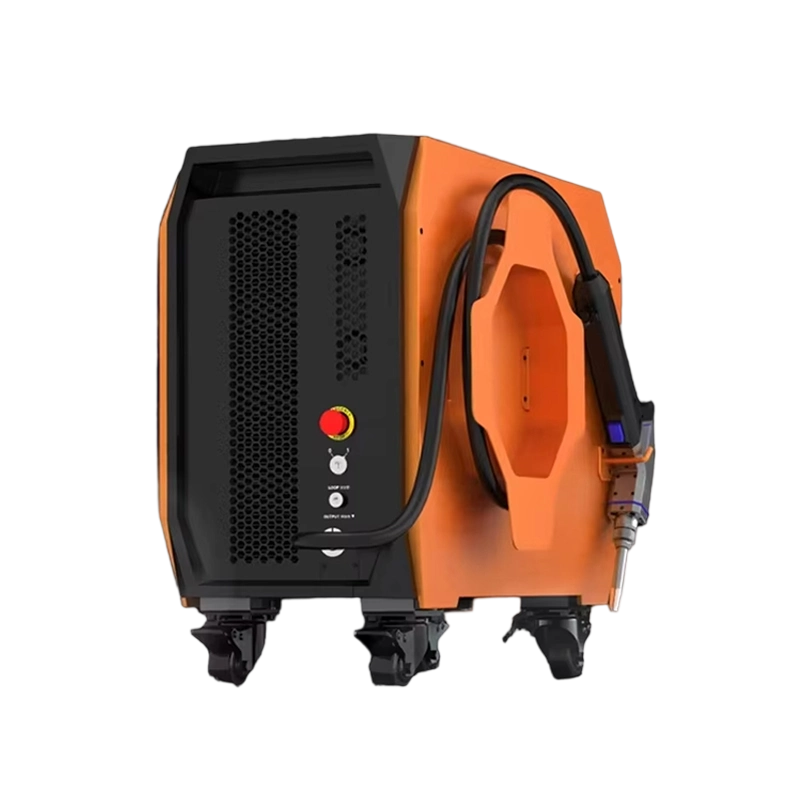
Engineered for good performance in demanding industrial environments, the Professional Orange Weldin...
Industrial Welding Enters a New Production Phase
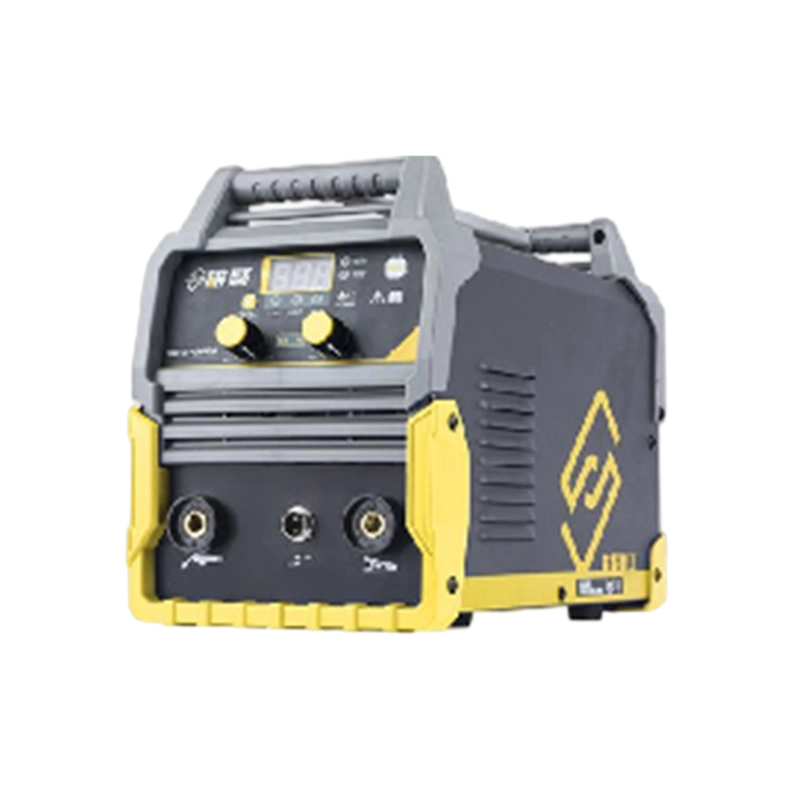
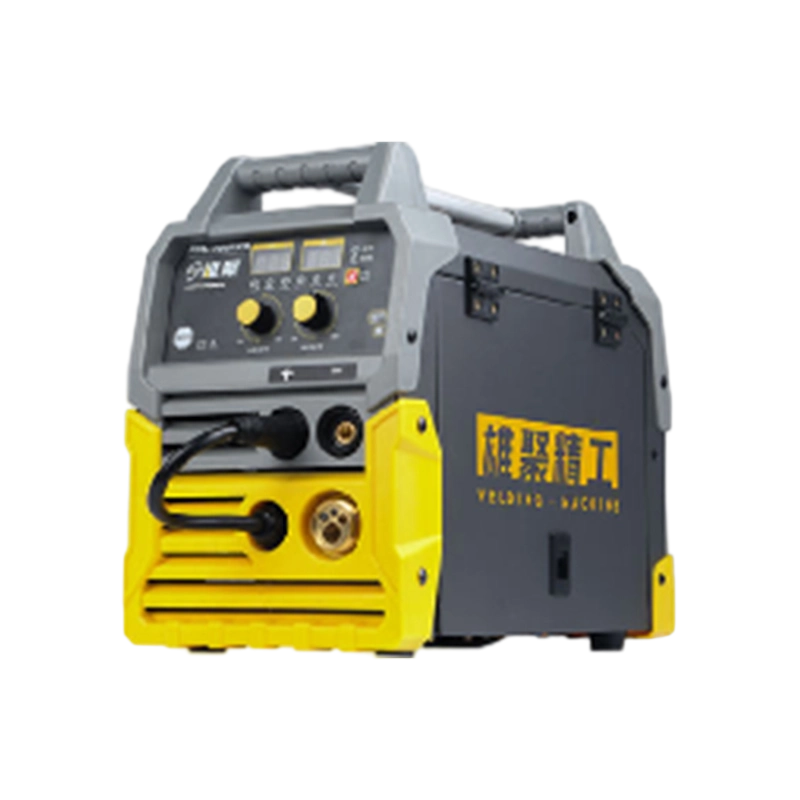
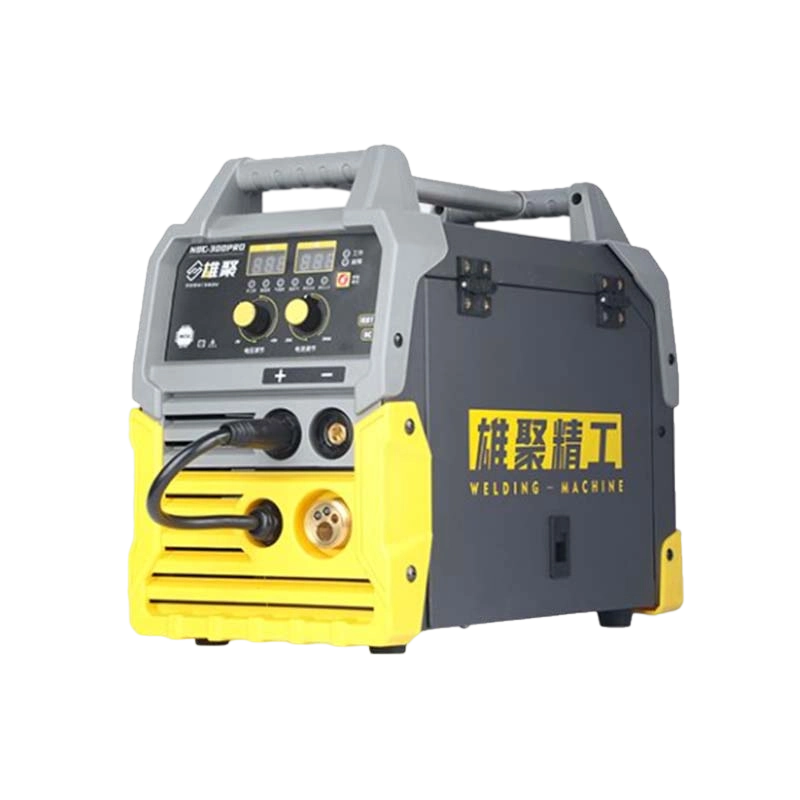
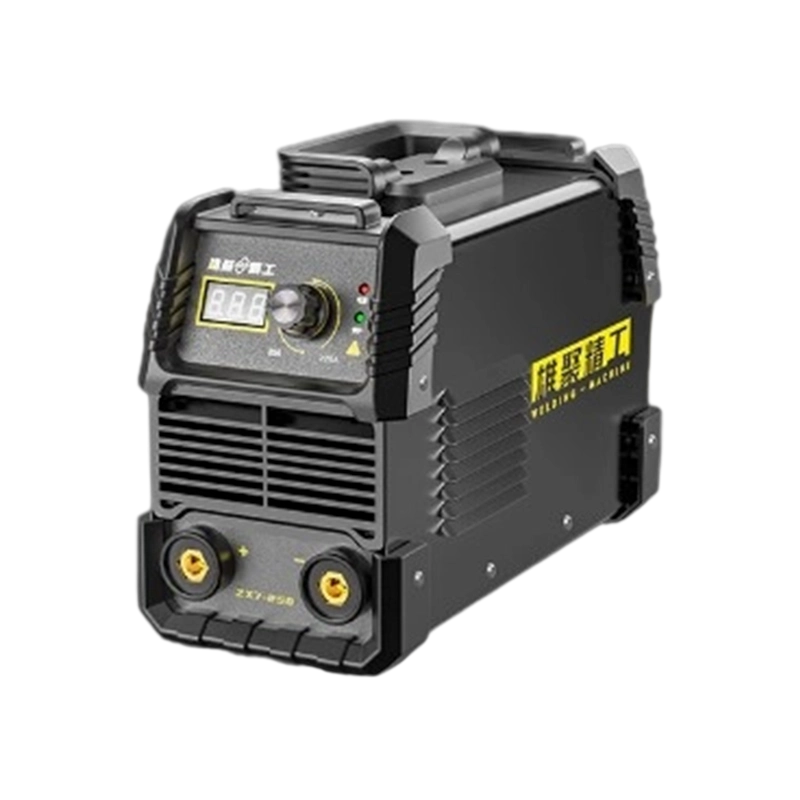
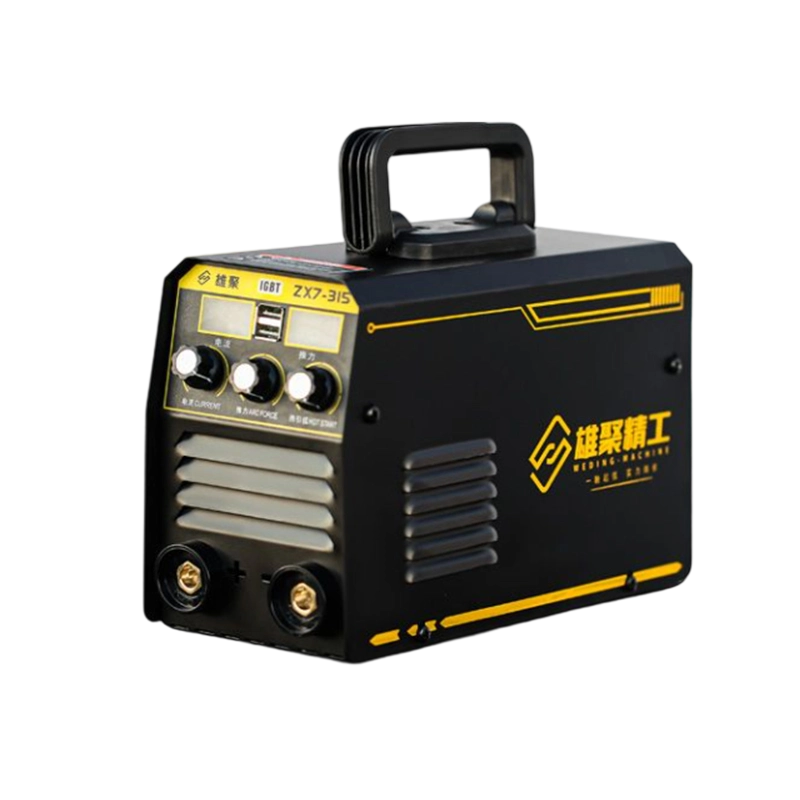
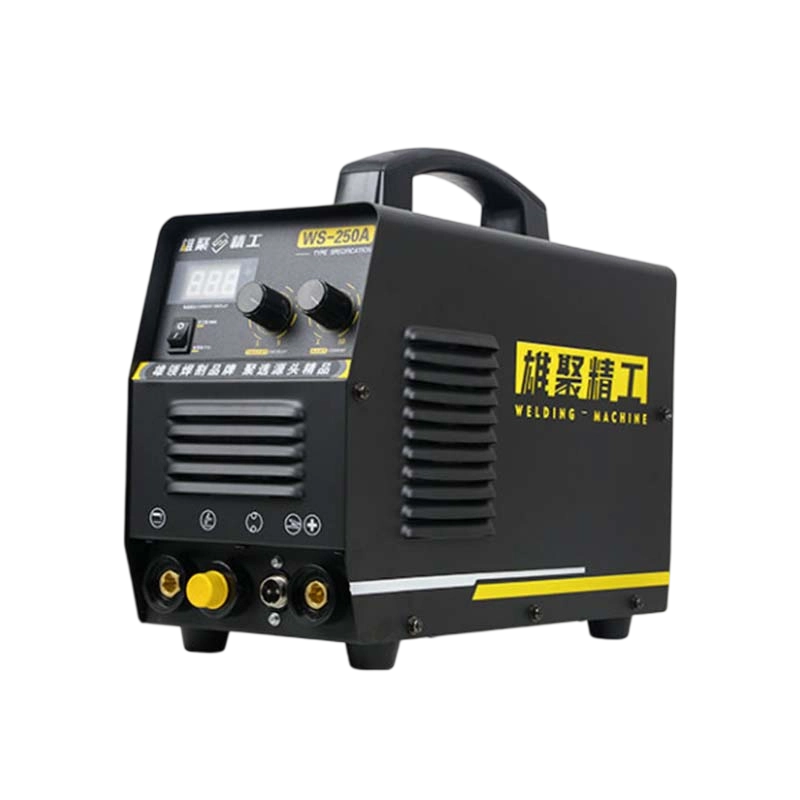
Metal fabrication is changing as manufacturers look for welding equipment that can handle different materials, joint designs, and production volumes. An Industrial Welding Machine has become an important part of this process, serving applications that range from structural components and machinery frames to automotive parts and fabricated metal assemblies.
Modern welding equipment is no longer defined only by its power output. Manufacturers are paying attention to control systems, welding modes, torch configurations, feeding mechanisms, and operating interfaces. These elements can influence how easily equipment fits into a particular production line.
Welding Technology Meets Digital Control
Digital control has changed how welding parameters are adjusted during production. Modern systems can provide operators with clearer control over current, voltage, wire feeding speed, and welding modes.
A digital interface can also make parameter adjustment more straightforward for different workpieces. Operators may select settings according to material thickness, joint structure, or welding method instead of repeatedly making manual adjustments.
Some machines also include programmable functions. These systems can store commonly used welding parameters, making it easier to switch between production tasks. Such features are useful in workshops that handle several product designs during the same working day.
Different Welding Methods Serve Different Tasks
Welding technology includes several processes, including MIG, MAG, TIG, and arc welding. Each method has different characteristics and applications.
MIG and MAG welding are commonly used for production work involving steel and other metals. Their wire feeding systems can support continuous welding operations and reduce the need for frequent electrode replacement.
TIG welding offers controlled arc characteristics for applications requiring careful heat management and clean weld formation. It is often associated with stainless steel, aluminum, and components that require detailed welding work.
An Industrial Welding Machine can be designed around one welding method or configured to support multiple processes. The right setup depends on production requirements, material type, joint design, and operator preferences.
Material Compatibility Influences Machine Selection
Material selection is closely connected to welding equipment selection. Carbon steel, stainless steel, aluminum, and alloy materials can respond differently to heat input and welding parameters.
Material thickness also plays a major role. Thin sheets may require controlled current and heat input, while thicker components can demand stronger welding capacity and longer operating cycles.
Manufacturers therefore consider several technical factors before selecting an Industrial Welding Machine. These include output range, duty cycle, wire feeding performance, torch configuration, cooling method, and control system.
The welding wire or electrode also needs to match the material and welding process. A suitable combination can help produce consistent weld joints across repeated production tasks.
Machine Structure Affects Workshop Integration
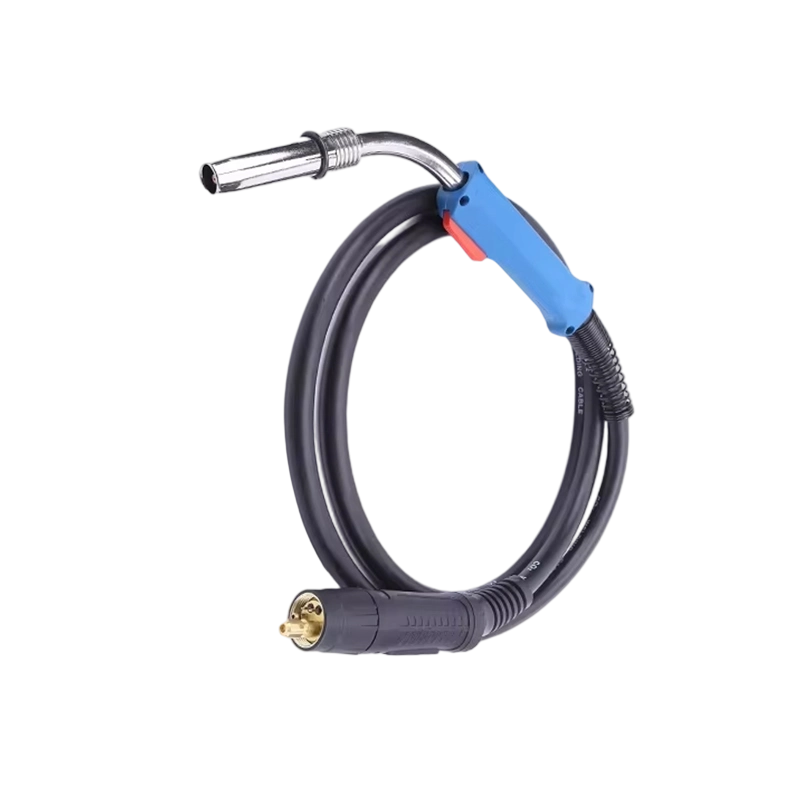
Physical design also matters when welding equipment is introduced into a workshop. Machine dimensions, control-panel position, cable arrangement, torch access, and mobility can affect how equipment fits into the available workspace.
Compact units can suit production areas where floor space is limited. Larger systems may be selected for heavy fabrication tasks that require greater welding capacity.
Some industrial machines are designed as standalone units, while others can become part of a larger welding station. Integration can include worktables, positioners, robotic arms, wire feeding systems, and digital controllers.
Customization Supports Different Production Needs
Manufacturers often work with different component sizes and production schedules, so a single machine configuration may not suit every application. Equipment can be specified according to welding process, output range, control requirements, torch type, and feeding system.
Customization may also involve control interfaces, machine dimensions, cable lengths, and auxiliary components. These options allow production teams to create welding setups around specific workflows.
The Industrial Welding Machine remains a key piece of equipment in this changing manufacturing environment. Its role now extends beyond generating an arc, connecting control technology, welding processes, material requirements, and production workflows into one practical system.