
 English
 中文简体
中文简体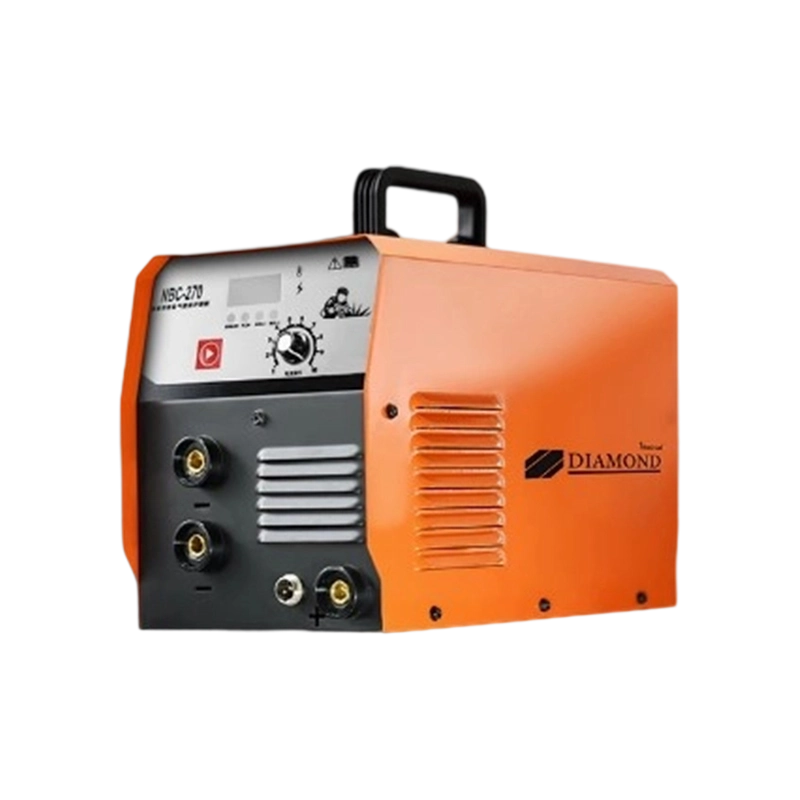
Engineered for good performance in demanding industrial environments, the Professional Orange Weldin...
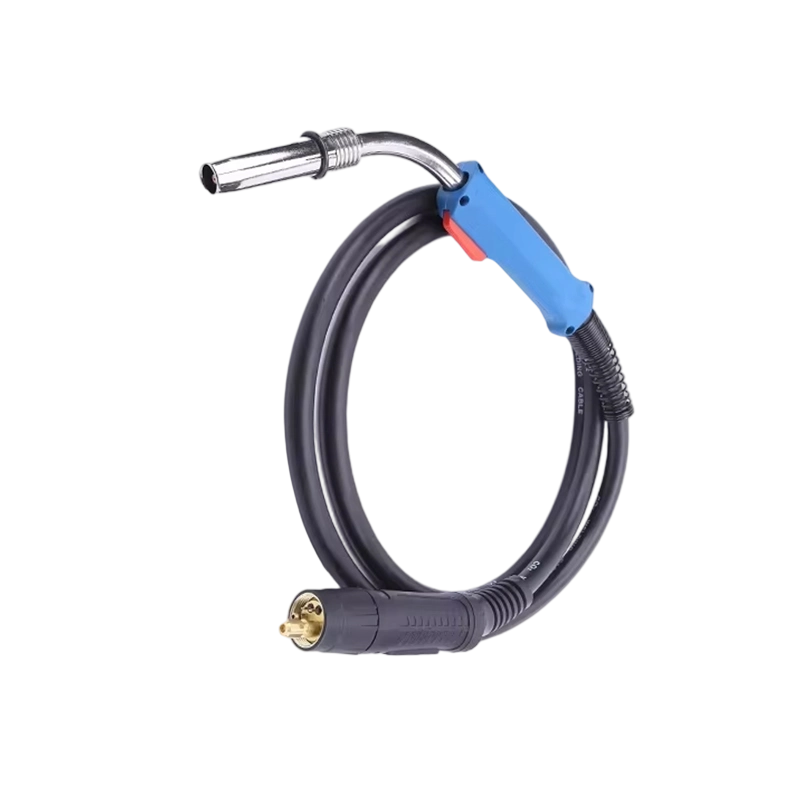
TIG welding torch factory operations center on producing the handheld or machine-mounted tools that deliver current, hold the tungsten electrode, and direct inert shielding gas during the welding process. These facilities turn raw metals, ceramics, and polymers into complete assemblies that support precise joins on stainless steel, aluminum, titanium, and other alloys. The work combines machining, molding, assembly, and functional checks under controlled conditions.
Core Components Produced on Site
Every torch begins with a body that houses the electrical and gas pathways. Copper or brass alloys form the conductive sections because they transfer current efficiently while resisting heat buildup. Collets and collet bodies are machined to tight tolerances so they grip the tungsten electrode securely and maintain solid electrical contact. Ceramic nozzles, often alumina-based, shape the gas flow into a steady laminar shield around the arc. Back caps seal the rear of the torch and allow different electrode lengths.
Handles receive ergonomic shaping through molding. Some versions stay rigid while others flex slightly for access in tight spaces. Power cables, gas hoses, and optional water lines attach at the rear. Air-cooled designs rely on the shielding gas itself to manage temperature for lower-amperage work. Water-cooled versions incorporate internal channels that circulate coolant for higher-current or continuous operation.
Manufacturing Sequence in Detail
Material preparation starts the process. Metal bar stock is cut to length and fed into CNC machines that drill gas passages, cut threads, and shape external contours. Precision is critical because even small variations in bore diameter or thread pitch affect gas flow and electrode alignment. Ceramic blanks are formed, fired, and finished to create nozzles with consistent internal profiles.
Polymer handles are injection-molded around internal frames or left as separate shells that later attach to the metal body. Electrical connectors and switch components are prepared in parallel. Once individual parts pass dimensional checks, assembly begins. Workers or automated stations seat the collet body, insert the collet, fit the nozzle, and secure the back cap. Cables and hoses are joined with sealed fittings that prevent leaks under pressure.
Functional testing follows. Each completed unit is checked for electrical continuity, gas-flow integrity, and cooling-circuit performance where applicable. Arc-start simulation and heat-cycle runs confirm that the torch maintains stable current delivery and effective shielding. Only units that meet the internal performance criteria move to packaging.
Material Selection and Process Control
Copper alloys chosen for collets and bodies offer high conductivity and reasonable strength at elevated temperatures. Stainless or plated fittings resist corrosion from residual moisture in gas lines. Ceramics must withstand rapid temperature changes without cracking, so purity and grain structure receive close attention during firing. Handle materials balance heat resistance with grip comfort for extended use.
Throughout production, dimensional gauges and flow meters verify that gas orifices remain clear and that electrode grip force stays within the designed range. These checks reduce the chance of inconsistent arc behavior once the torch reaches a fabrication shop. Batch tracking links each finished unit back to the specific material lots and machine settings used that day.
Supporting Industrial Fabrication Needs
TIG welding torch factory output serves shops that join thin-gauge sheet, pipe, and precision components. Aerospace and automotive suppliers rely on the clean, controlled heat input that a well-made torch enables. Stainless-steel fabricators and aluminum specialists likewise depend on reliable gas coverage and electrode stability. The factory therefore produces both standard air-cooled models for intermittent work and heavier water-cooled versions for higher-duty cycles.
Customization occurs within defined limits. Different nozzle sizes, head angles, and cable lengths are stocked or machined to order so that a single production line can cover multiple common configurations. This flexibility lets buyers match the torch to their power sources and work envelopes without redesigning the entire system.