
 English
 中文简体
中文简体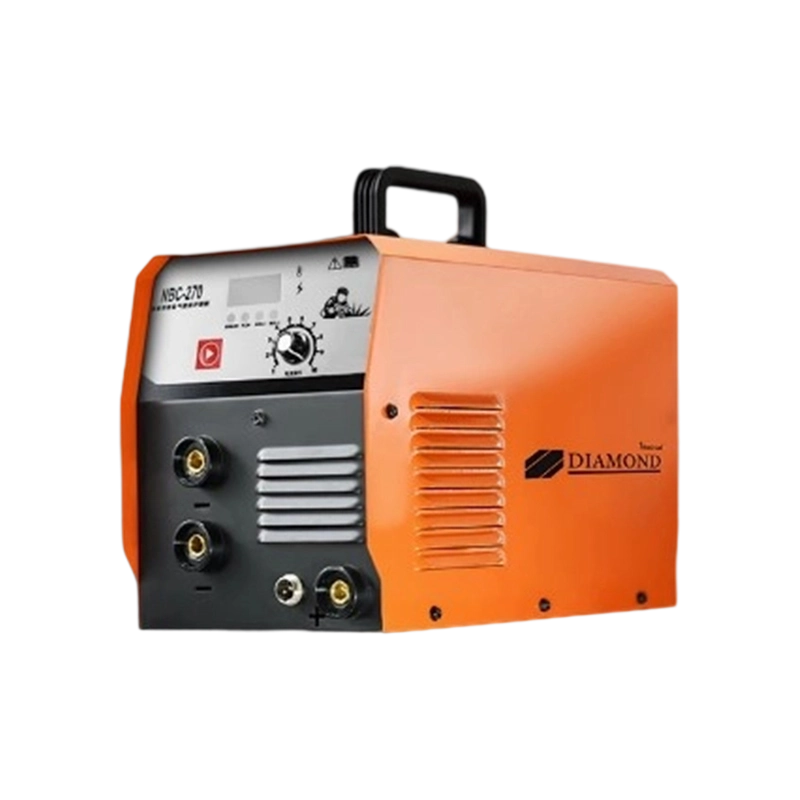
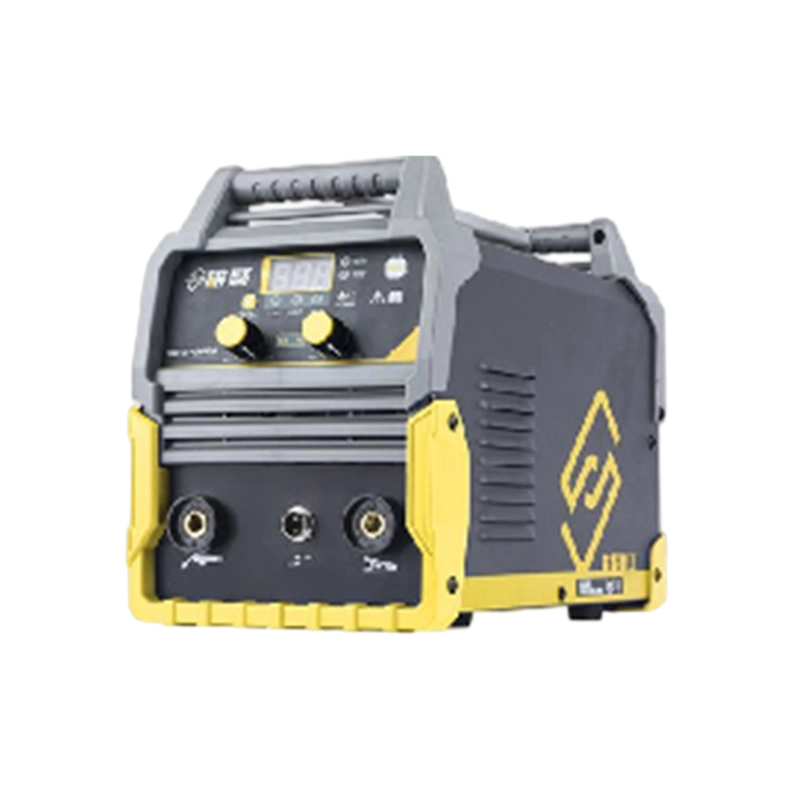
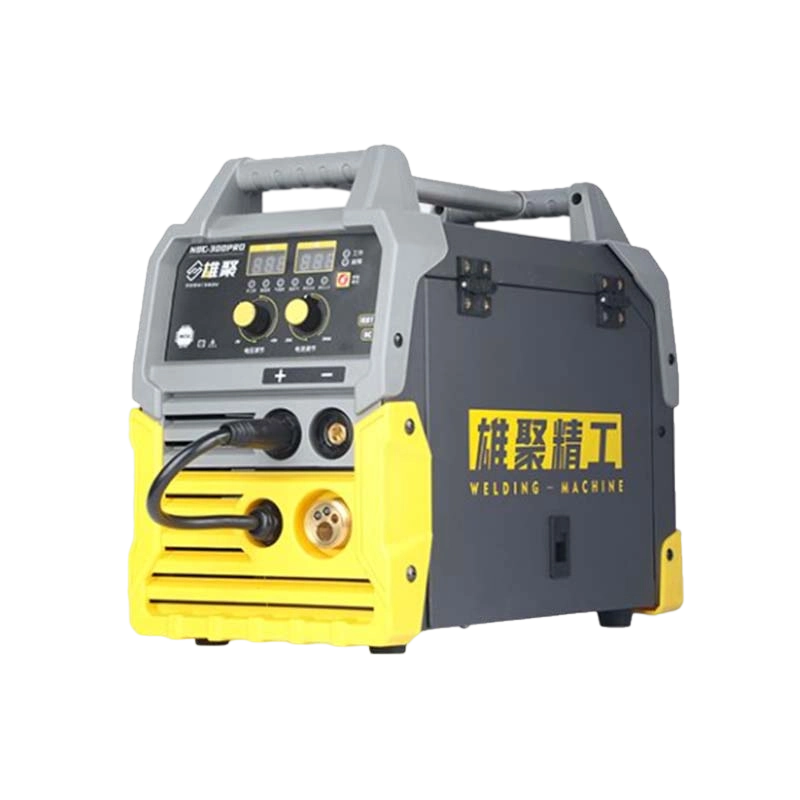
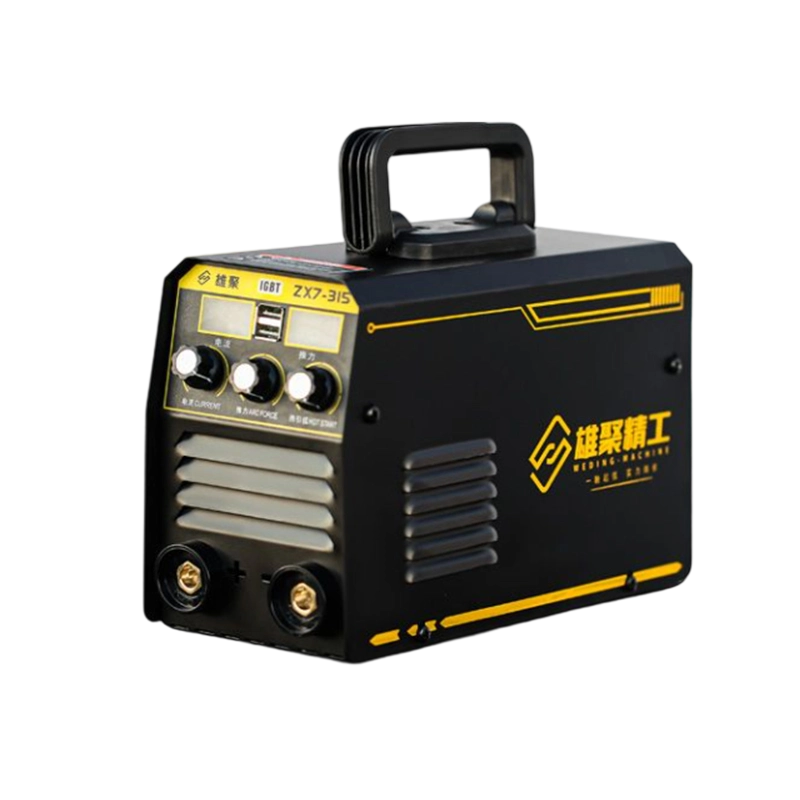
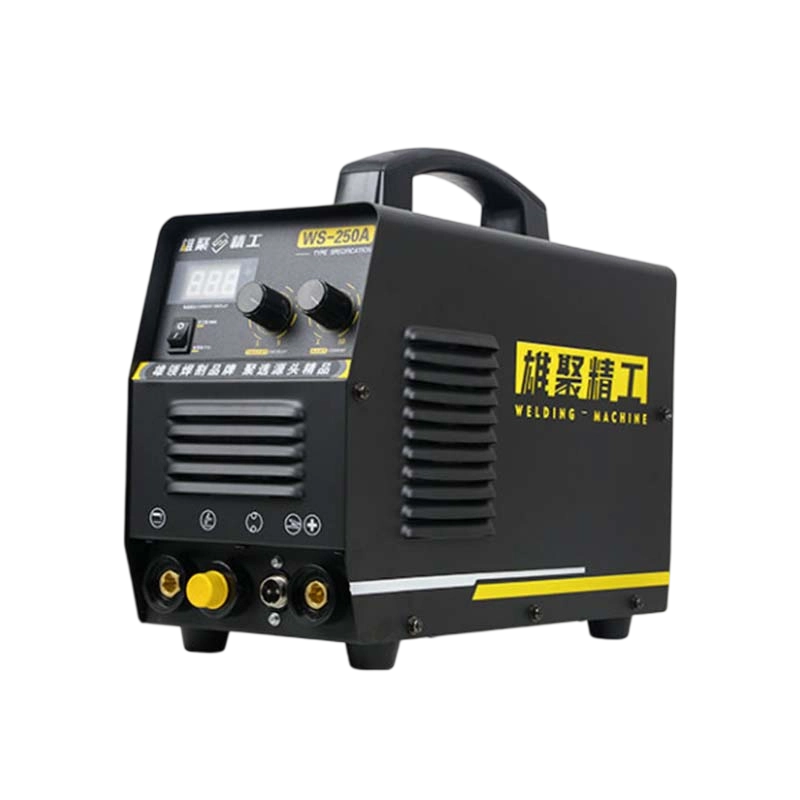
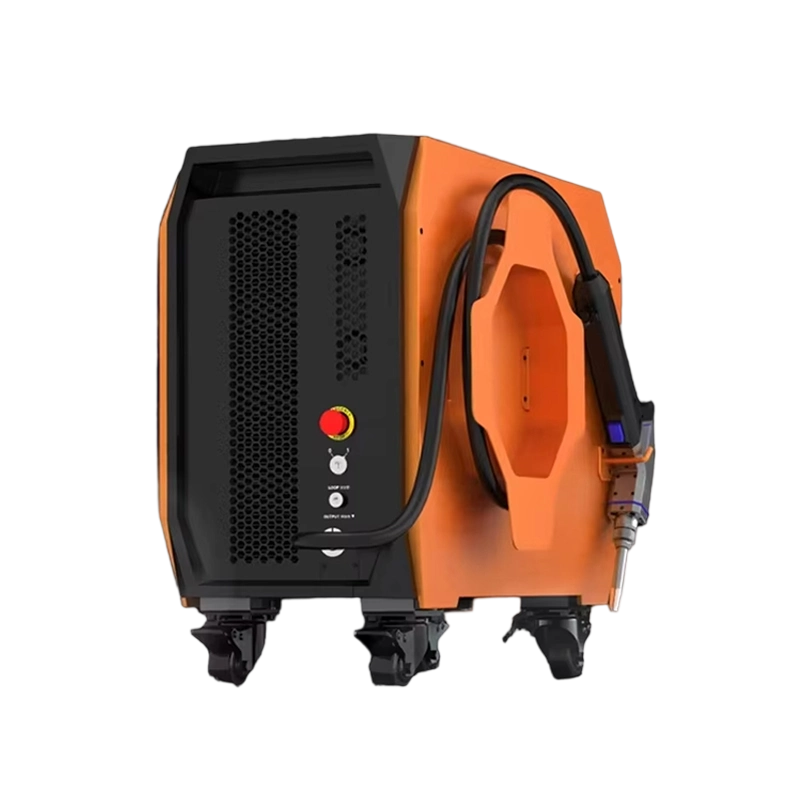
Engineered for good performance in demanding industrial environments, the Professional Orange Weldin...
Welded valves have become a staple in various industries, from oil and gas to water treatment and food processing. These valves are integral components in many piping systems due to their reliability and efficiency. A welded valve offers a robust solution when it comes to controlling the flow of liquids or gases in pipes, ensuring that systems remain sealed and perform well under high pressure and temperature conditions.
The process of welding the valve’s parts together results in a stronger, more secure bond compared to traditional mechanical connections. This welded construction enhances the valve's ability to withstand the stresses and strains encountered in industrial environments. The welds create a tight seal that helps prevent leaks, a crucial factor when handling hazardous or expensive fluids.
Welded valves are designed to meet the demands of various applications, including those in industries that deal with high-pressure systems. The integrity of the weld ensures that the valve can function effectively under extreme conditions, such as high pressure, elevated temperatures, and corrosive environments. This makes them a reliable choice for critical applications like power plants, chemical manufacturing, and oil refineries, where the cost of failure can be significant.
In terms of materials, welded valves are made from a wide range of metals, such as stainless steel, carbon steel, and alloys. These materials are chosen based on the specific needs of the application, such as corrosion resistance or strength at high temperatures. Welded valves made from stainless steel, for example, are ideal for industries that require resistance to corrosive substances, including food and beverage processing.
One of the primary advantages of welded valves is their ability to provide a more secure connection than flanged or threaded valves. The welded joints eliminate the need for bolts or gaskets, which can sometimes fail or degrade over time. This makes welded valves a preferred option for high-risk applications where safety is a top priority. Additionally, the absence of flanges and threads reduces the chances of leaks, improving the overall performance of the piping system.
Welded valves also offer better performance in terms of pressure resistance. The welded connection can withstand higher pressures than traditional valves, which makes them ideal for use in systems that operate under heavy or fluctuating pressures. This quality is especially important in industries like petrochemicals and natural gas, where high-pressure systems are common.
Another factor contributing to the popularity of welded valves is their versatility. These valves can be customized in various sizes and configurations to fit the specific needs of a given system. Welded valves can be designed to meet the requirements of various applications. They can be used in both high-temperature and cryogenic environments, making them adaptable to a wide range of industrial settings.
Welded valves also offer a long lifespan compared to other types of valves. The welded construction ensures durability and reduces the need for frequent maintenance or replacements. This longevity is especially important in industries where downtime can be costly, as it minimizes the need for repairs and replacements, leading to reduced operational costs over time.
However, it’s important to note that the installation of welded valves can be more complex than other valve types. Proper welding techniques are required to ensure a secure, leak-free bond. For this reason, it’s essential to rely on skilled professionals who are experienced in the installation and maintenance of welded valves. Improper installation could lead to leaks, safety hazards, or system failures, which would undermine the advantages of using welded valves in the first place.