
 English
 中文简体
中文简体
Engineered for good performance in demanding industrial environments, the Professional Orange Weldin...
How Plasma Cutting Torches Work in Everyday Use
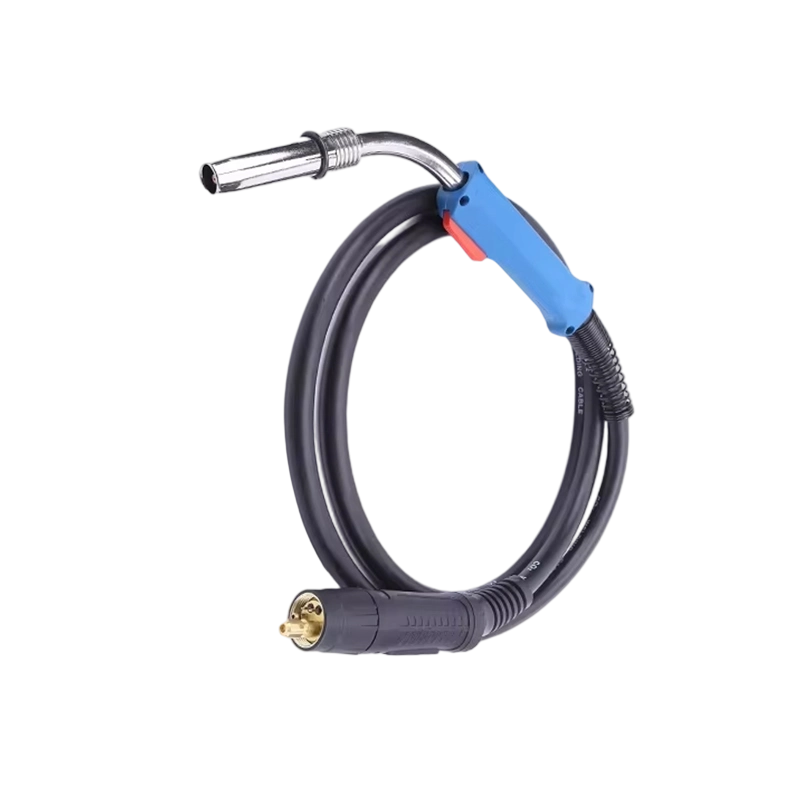
Plasma cutting torches create a concentrated plasma arc that melts metal and blows it away to make the cut. Shops use them for jobs ranging from thin sheet metal work to heavier plate cutting. Suppliers usually carry torches in various amperage ratings so customers can pick ones that match their machines and typical workload.
You’ll often see these torches being used for tasks like:
- Cutting parts before welding or assembly
- Making holes or shapes in structural beams
- Repairing heavy machinery and equipment
- Custom work in smaller job shops
The torches need to start reliably and run without overheating during busy periods. Consumables such as electrodes and nozzles should be quick to change when they wear out. Many suppliers stock both original parts and good compatible options to help keep machines running with minimal downtime.
What Suppliers Are Focusing On These Days
Plasma cutting torch suppliers have been paying attention to several practical areas. Torch designs have seen some refinements to improve cooling and make them more comfortable during extended cutting. Better shielding helps protect the internal parts from spatter and can stretch the time between replacements.
Consumable life and cut quality remain big concerns on the shop floor. Suppliers continue working on electrode materials and nozzle shapes that deliver more consistent performance over time. Many also offer usage tips and technical help so customers can get better results from their existing plasma systems. Quick availability of parts matters a lot — nobody wants to wait days for a common nozzle when a job is due.
Applications in Different Industries
Plasma cutting torches show up in all sorts of places. Construction equipment repair shops use them to modify frames and replace damaged sections. Shipyards and large fabrication yards rely on them for cutting big panels and structural pieces. Smaller automotive and farm equipment repair businesses often run handheld torches for quick fixes and custom brackets.
Manufacturing plants use them to create guards, enclosures, and precise cutouts. Some metal artists and sculptors work with lower-power versions for more detailed work. The portability of certain systems makes them handy for on-site cutting at construction locations or remote repair jobs where moving heavy steel isn’t realistic.
Suppliers often tailor their suggestions based on the material and thickness being cut. Torches running on stainless steel, for example, may need different consumables than those used on regular mild steel to control oxidation and keep cuts clean.
Things to Think About When Choosing a Supplier
Companies working with plasma cutting torch suppliers usually consider a few down-to-earth factors. First, the torch needs to work well with their current plasma power source. Second, easy access to consumables and spare torches helps avoid stopping work when parts wear down.
Other points that come up regularly include:
- Delivery times for both common and harder-to-find torch models
- How clear the instructions and technical documents are
- Options for buying consumables in larger quantities to save money
- How quickly the supplier responds when issues pop up during normal use
Many suppliers put together kits that include a torch along with a selection of commonly used consumables. Some also provide basic training sheets or troubleshooting guides that new operators find helpful. Price is always part of the decision, but experienced buyers also look at how long the consumables last and how the torch performs under their specific cutting conditions.
Plasma cutting torch suppliers continue to tweak their products and services as fabrication shops and industry needs shift. For teams that depend on reliable cutting day after day, having a solid supplier relationship often makes operations smoother and reduces those frustrating unplanned stops. As plasma cutting stays common in both heavy and light metalwork, these suppliers remain an important link in keeping projects moving forward.