
 English
 中文简体
中文简体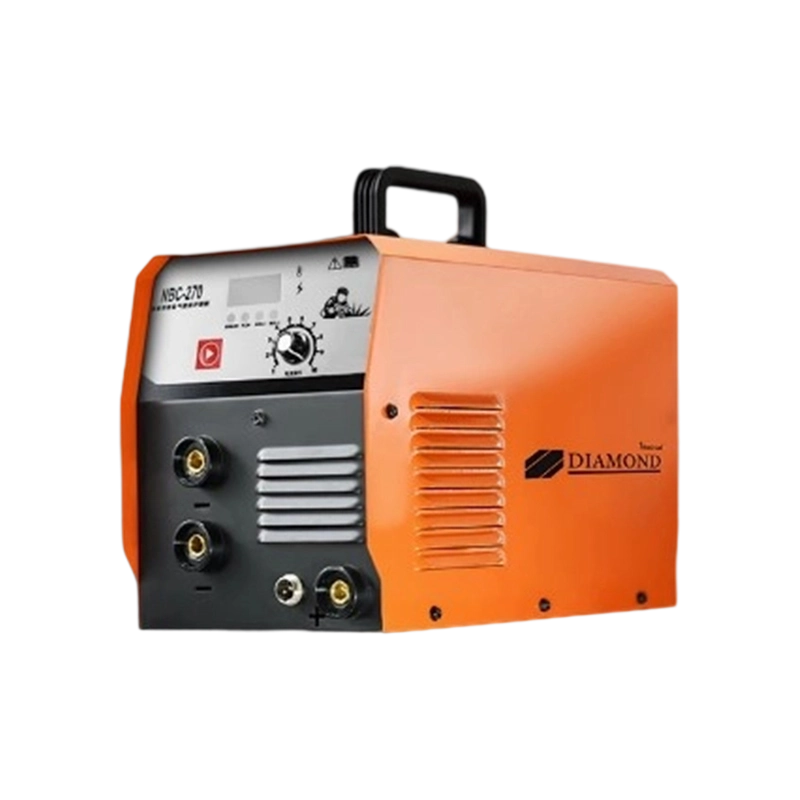
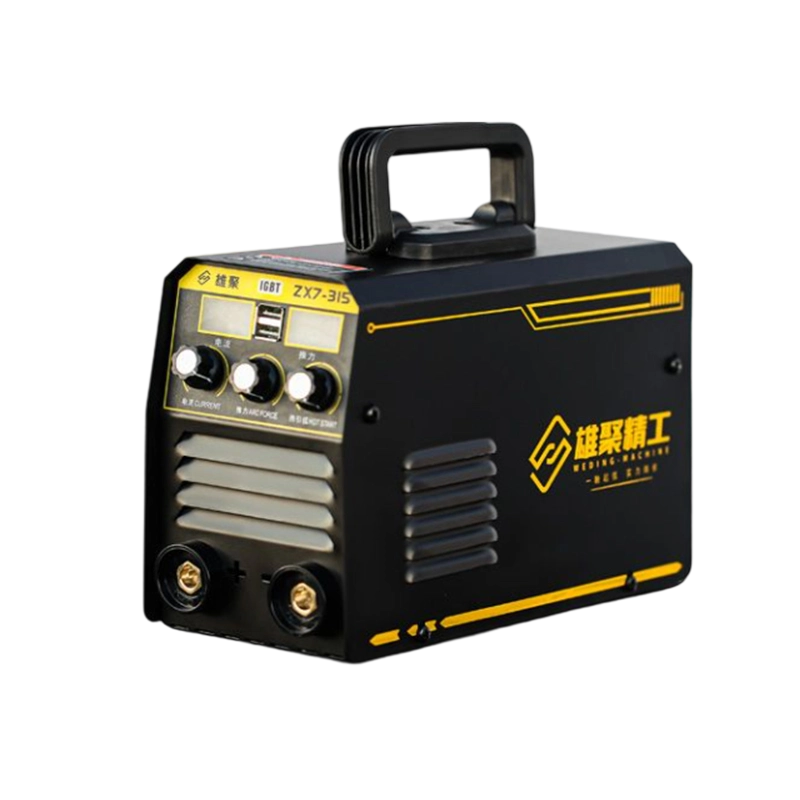
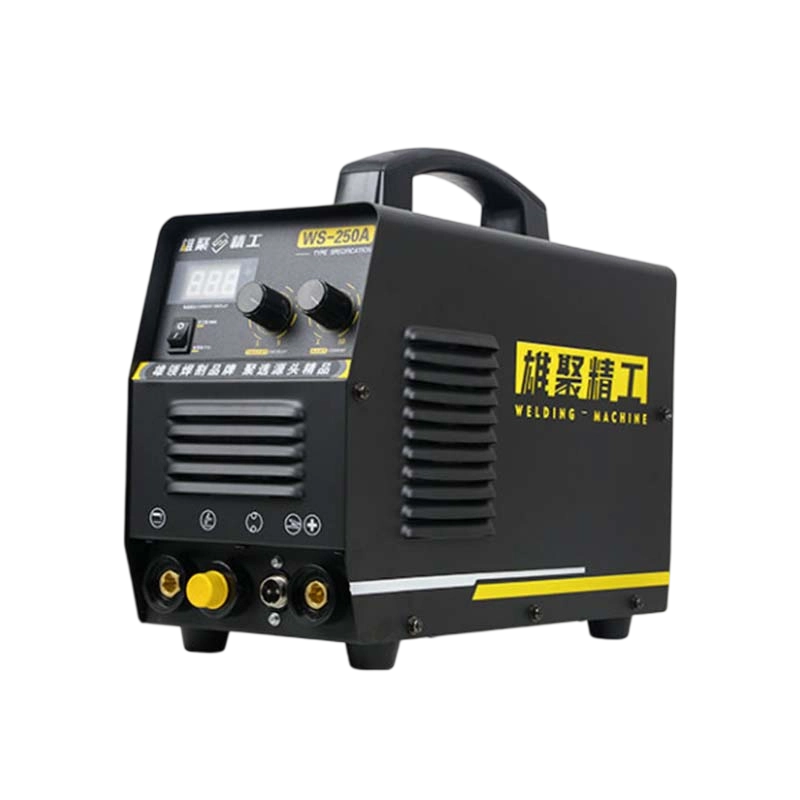
Engineered for good performance in demanding industrial environments, the Professional Orange Weldin...
Understanding the Industrial Welding Machine
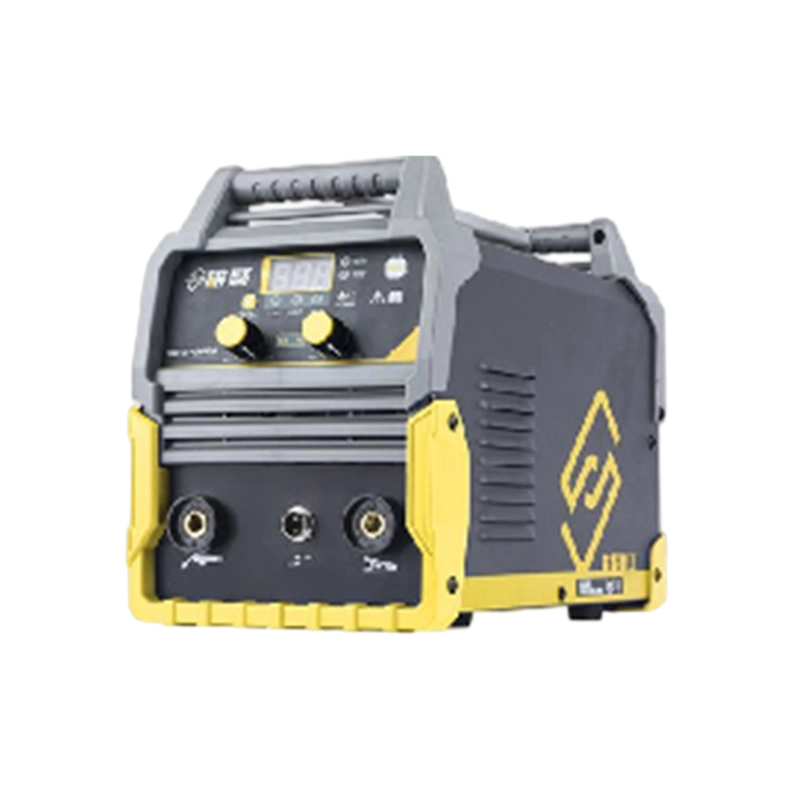
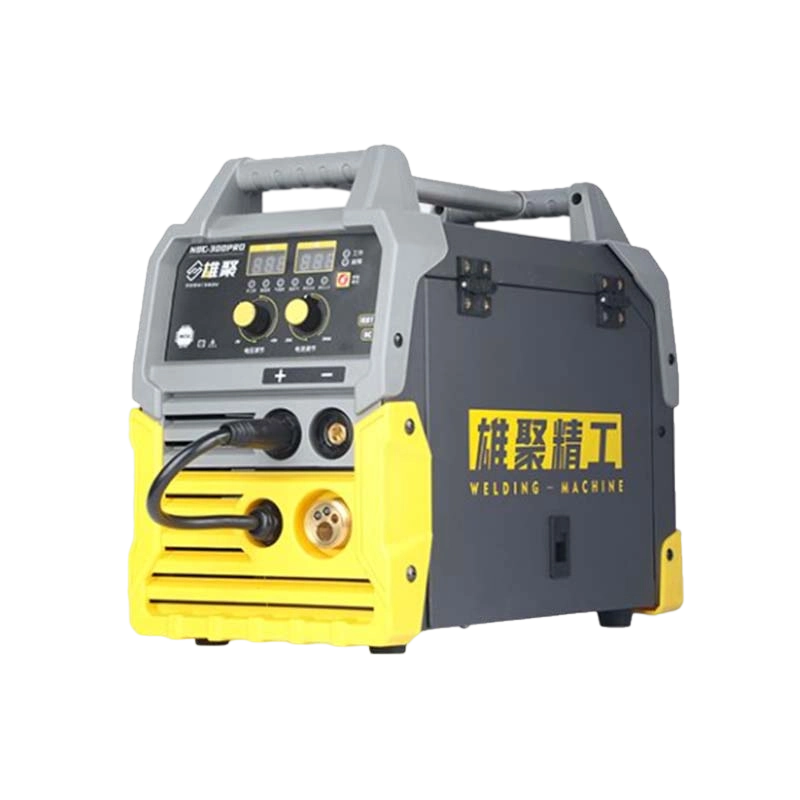
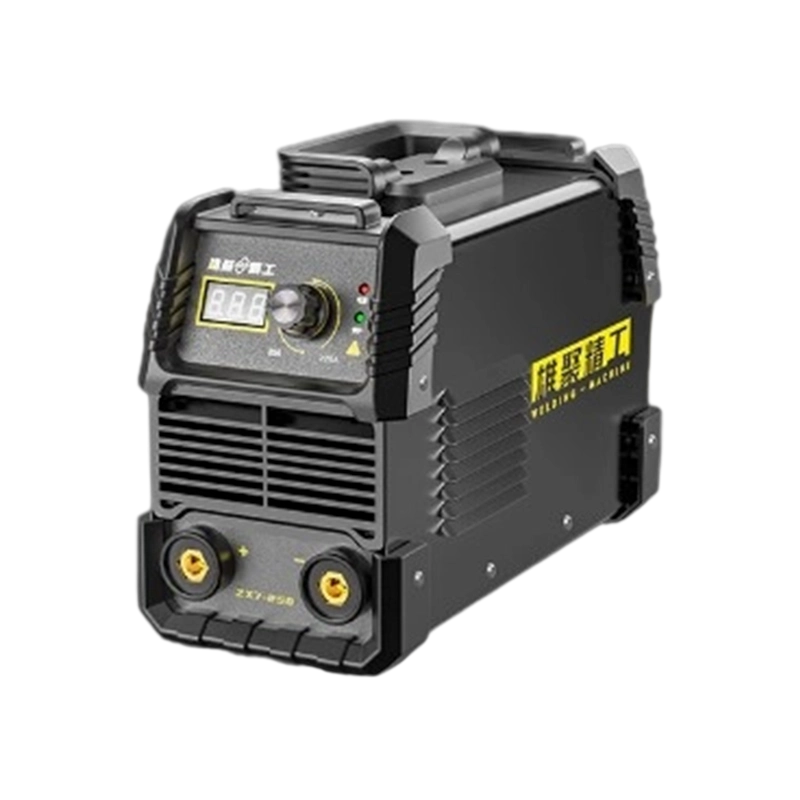
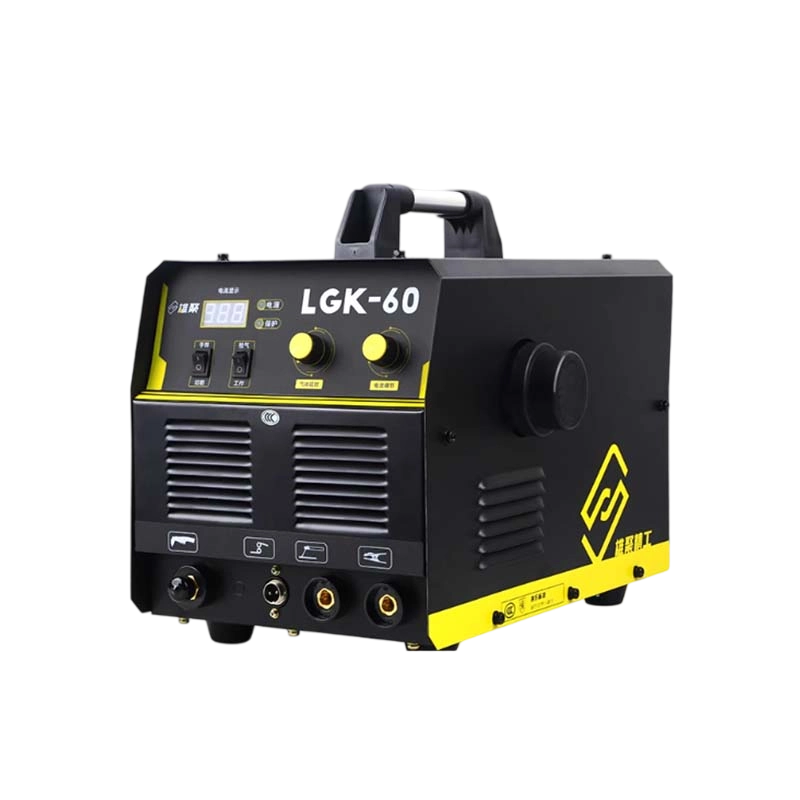
An industrial welding machine is a key tool in metal fabrication and manufacturing. These machines join metal parts using heat, pressure, or both, allowing workers to create structures that support buildings, vehicles, machinery, and more. Industrial machines are designed for continuous use in high-demand environments, offering reliable performance for a variety of tasks.
Industrial welding machines come in multiple types, including arc welders, MIG welders, TIG welders, and plasma cutters. Each type serves a specific purpose and provides unique advantages depending on the metal, thickness, and application. Operators select machines based on their requirements, balancing speed, precision, and power.
These machines often feature controls that allow workers to adjust voltage, current, and speed. Proper adjustments ensure clean welds, reduce material damage, and maintain consistent results. Factories rely on this flexibility to handle a range of projects efficiently, from assembling metal frames to producing complex machinery components.
Safety Features and Operational Benefits
Safety is a major concern when using an industrial welding machine. Sparks, intense heat, and bright light make protective equipment essential, including gloves, helmets, and welding curtains. The machines themselves incorporate safety mechanisms such as emergency stops, insulated handles, and automatic shutoffs in certain conditions.
Operators benefit from ergonomic designs that reduce strain and fatigue during long shifts. Adjustable stands, accessible controls, and well-placed cables contribute to safer handling. Some industrial machines also include built-in cooling systems, preventing overheating and maintaining consistent performance over extended periods.
The combination of operational efficiency and safety allows factories to maintain a productive workflow. Workers can focus on precision and quality without unnecessary interruptions. Furthermore, industrial welding machines provide repeatable results, helping teams meet project specifications accurately while minimizing material waste.
Trends in Industrial Welding Machine Usage
Industrial welding machines continue to evolve in design and application. While the core principles of welding remain unchanged, manufacturers focus on improving user comfort, energy efficiency, and versatility. Modern machines often handle multiple welding techniques, allowing operators to switch between processes depending on project needs.
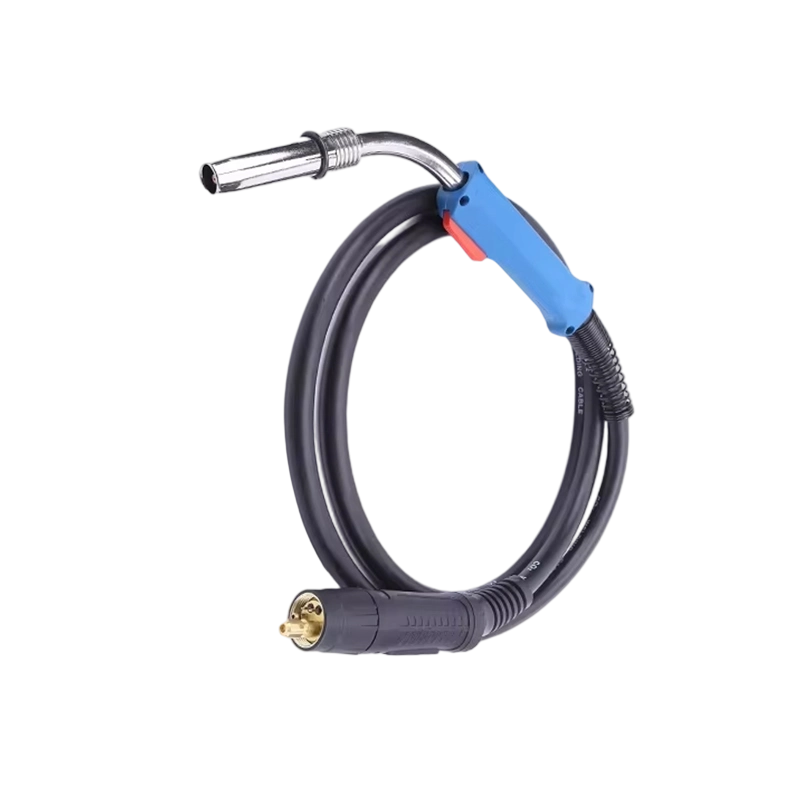
Customization is another trend. Machines can be fitted with various nozzles, wire feeders, and power sources to match specific industrial requirements. Factories may select machines for heavy structural welding, delicate assembly, or high-volume production lines. This adaptability ensures that industrial welding machines remain valuable across different industries, from automotive to shipbuilding to infrastructure projects.
Efficiency improvements also emerge from enhanced automation features. Machines may include programmable settings, memory functions, and digital displays that assist operators in achieving consistent welds. These tools reduce human error and allow teams to maintain steady output without compromising safety.
Practical Advantages of Industrial Welding Machines
The practical benefits of industrial welding machines are clear in both manufacturing and construction settings. High heat output and precise control enable workers to join metals effectively, producing strong and reliable connections. The ability to handle various materials and thicknesses increases flexibility, allowing factories to accommodate diverse projects without changing machines frequently.
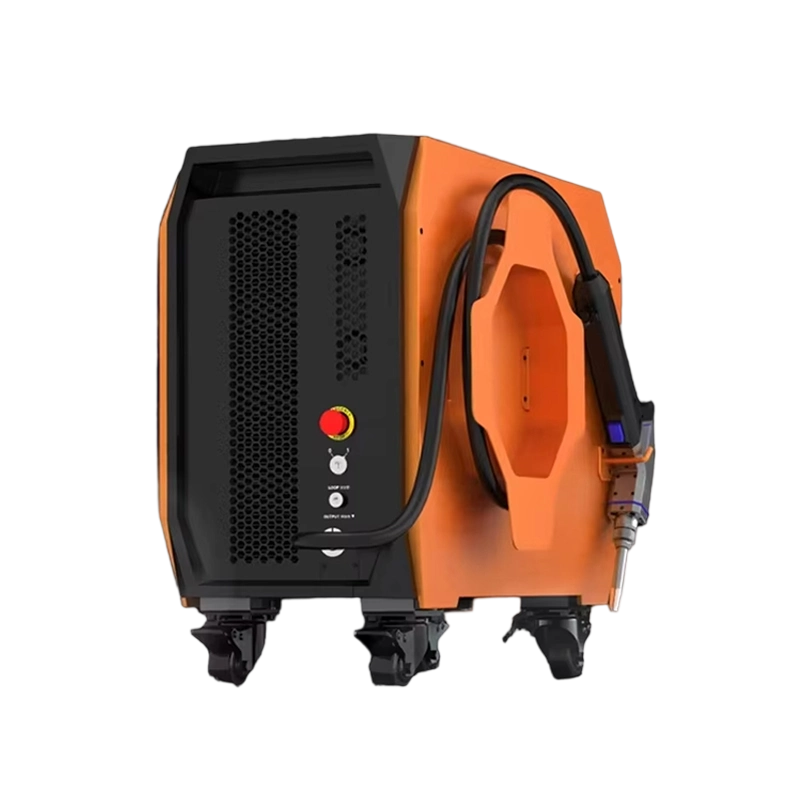
Portability varies among machines, with some models mounted on carts or integrated into production lines. This mobility allows teams to move equipment across different workstations while maintaining performance. Additionally, the machines are designed for long-term use, providing consistent output even under demanding conditions.
Another advantage is the balance of power and precision. Industrial welding machines deliver the strength needed for heavy-duty projects while enabling detailed work on smaller components. This versatility allows factories to handle both structural welding and intricate assembly without requiring separate machines for each task.