
 English
 中文简体
中文简体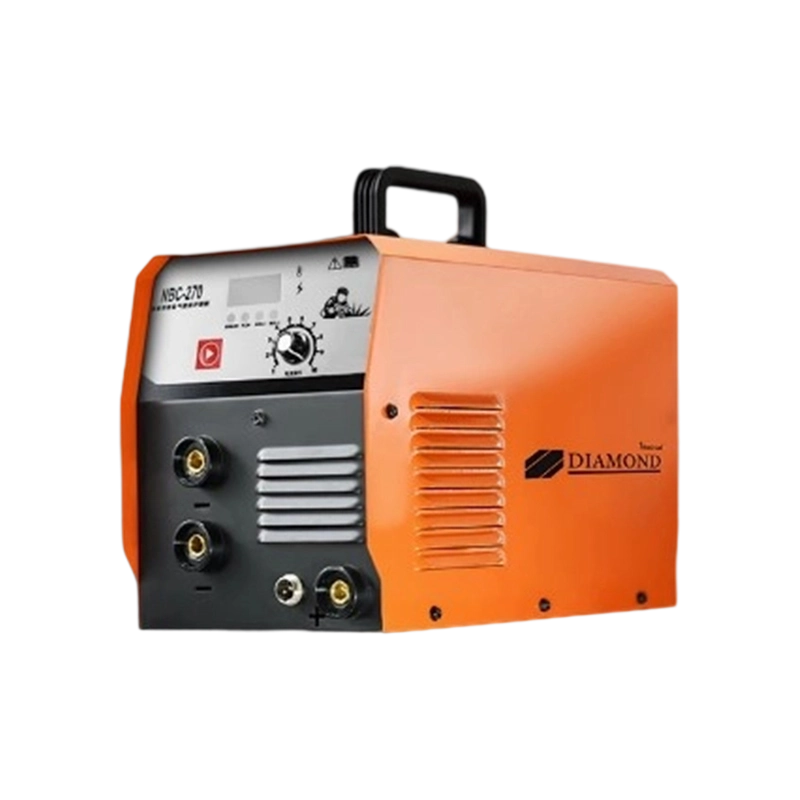
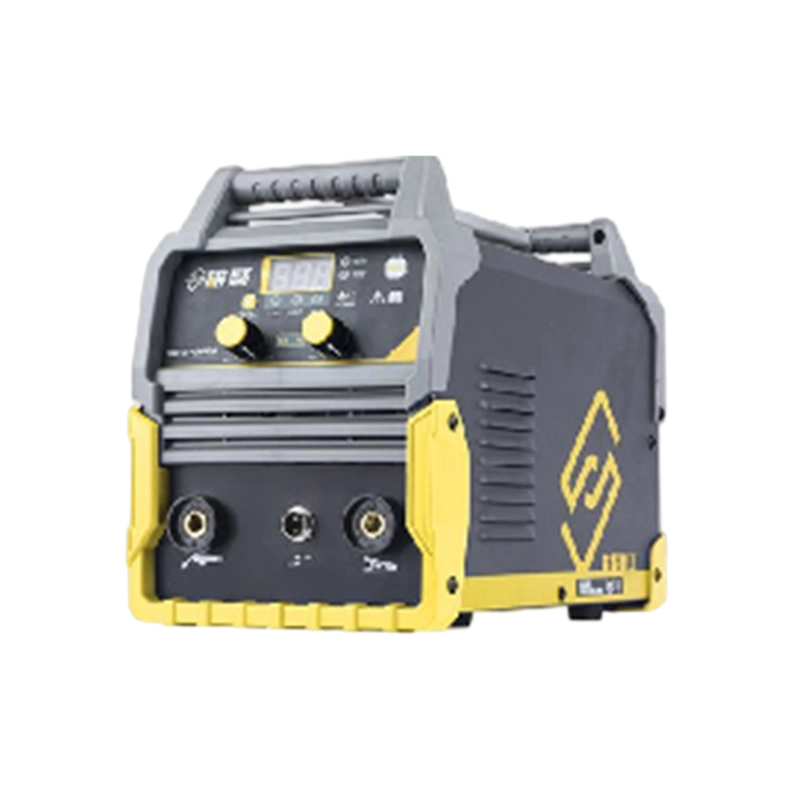
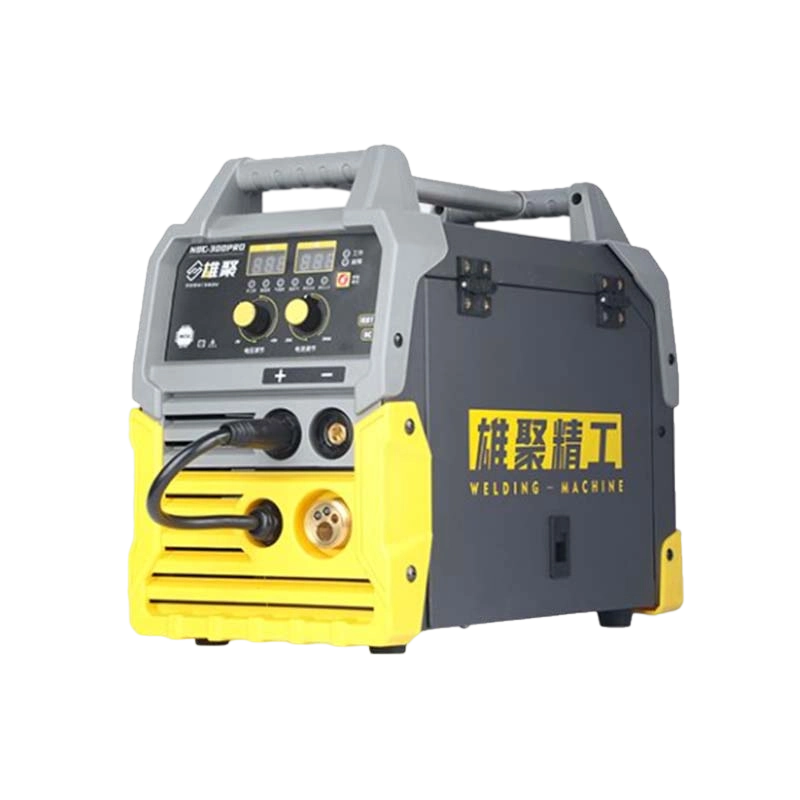
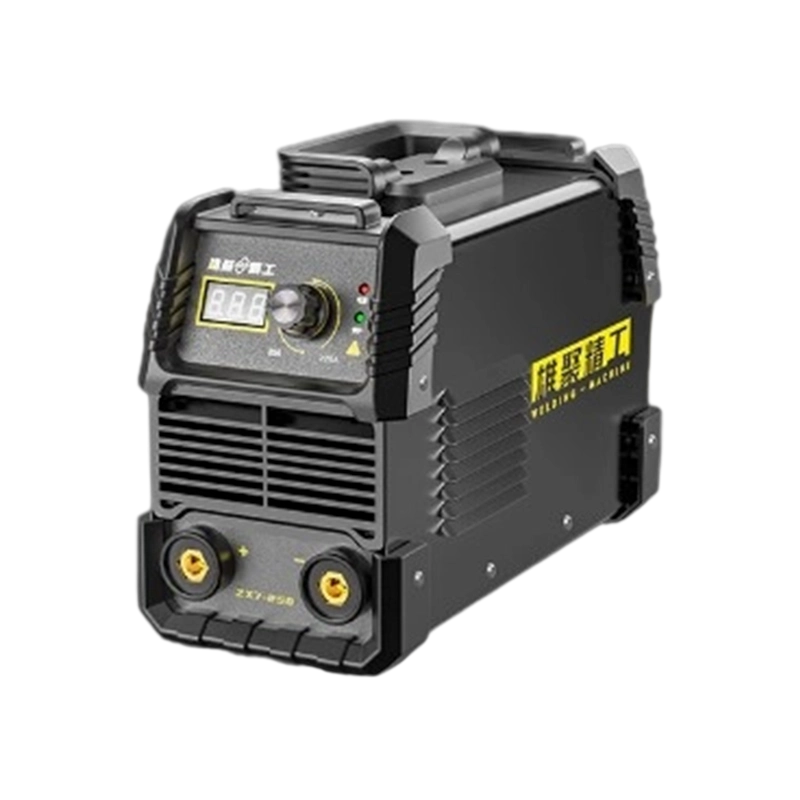
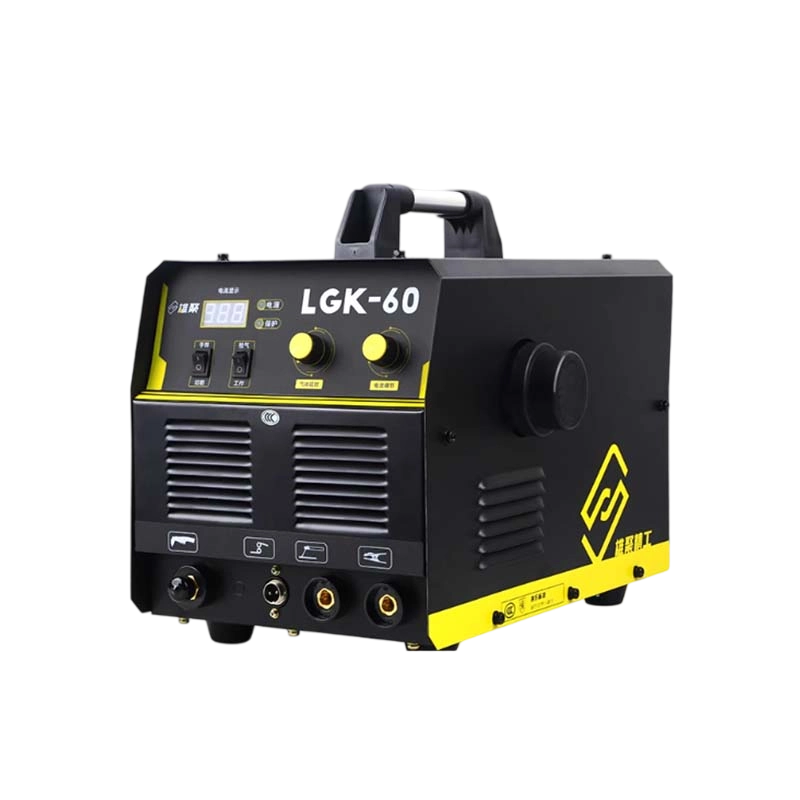
Engineered for good performance in demanding industrial environments, the Professional Orange Weldin...
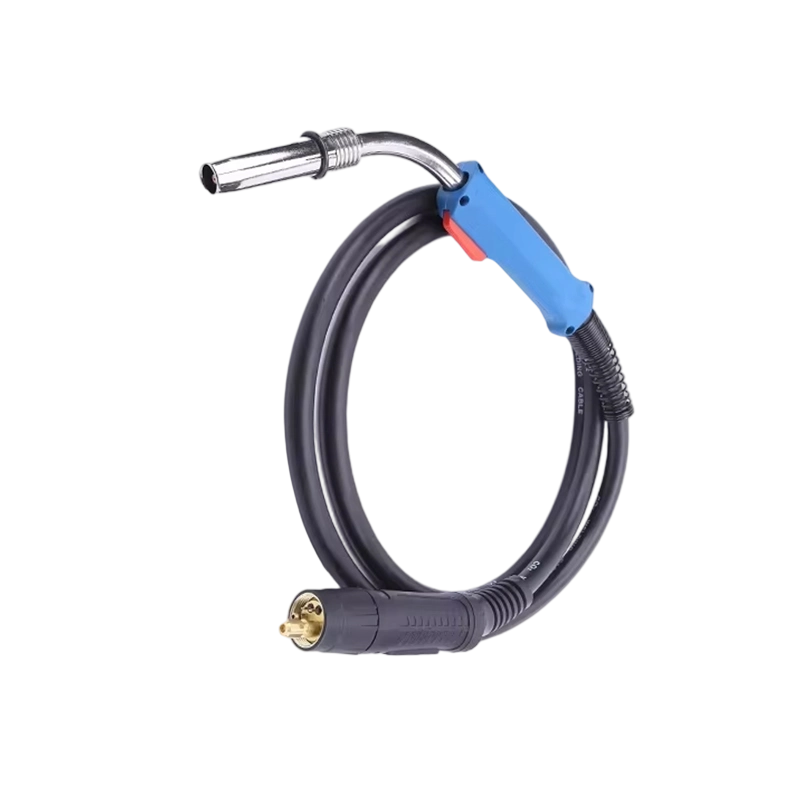
A typical welding torch kit includes the torch body itself — the handle and head assembly. Attached to that is a cable or hose bundle that carries welding current, shielding gas, and sometimes cooling water. Inside the kit, you will also find a set of collets. Collets are small split metal pieces that grip the tungsten electrode. Different collets fit different electrode diameters, such as 1/16 inch, 3/32 inch, or 1/8 inch. The kit usually contains a matching set of collet bodies. These hold the collet in place inside the torch head. Then come the nozzles — ceramic or glass tubes that direct shielding gas over the weld area. Nozzles come in various sizes and shapes, and a good kit includes at least two or three common sizes.
Another piece you often see in a welding torch kit is the gas lens. A gas lens is a fine mesh screen that smooths out the flow of argon or other shielding gases. It gives better coverage than a standard collet body, especially on materials like stainless steel or aluminum. Some kits include one gas lens plus several regular collet bodies. This variety allows the welder to choose based on the job. You might also find a few tungsten electrodes in the kit, usually pre‑sharpened or ready to grind. Back caps screw onto the back of the torch to hold the tungsten in place; kits often include both short and long back caps. The long cap allows you to use a longer tungsten stick for tight spaces.
The quality of materials in a welding torch kit matters. The torch body is often made from heat‑resistant plastic or rubber. The cables should be flexible so you can move the torch around without fighting stiffness. The collets and collet bodies are usually brass or copper for good electrical conductivity. Nozzles are ceramic or alumina, which can handle high heat. A decent kit uses standard sizes that are easy to find as replacements later.
Using a welding torch kit can also help a beginner learn faster. Instead of wondering which part goes where, you have a complete set in front of you. You can see how the collet fits into the collet body, how the nozzle screws on, and how the back cap tightens everything. This hands‑on understanding makes the actual welding less frustrating. For a seasoned welder, a kit is simply a convenient way to keep spares organized.
One thing a welding torch kit does not include is the gas supply or the welding machine itself. You still need a cylinder of argon or mixed gas, a regulator, and a power source. But the kit bridges the gap between those big pieces and the actual weld. It is the last few feet of the system — the part you hold in your hand. Without a properly assembled torch, even a high‑end welding machine cannot produce a clean bead.
So whether you are setting up your first welding station or adding a spare torch to your workshop, a welding torch kit offers a straightforward solution. You get the main components and the small consumables in one package. You avoid the hassle of buying each item separately and hoping they fit together. Just match the kit to your machine’s amperage and connector type, and you are ready to strike an arc. In many workshops, a spare welding torch kit hanging on the wall is a quiet sign of someone who likes to keep things running without delays.