
 English
 中文简体
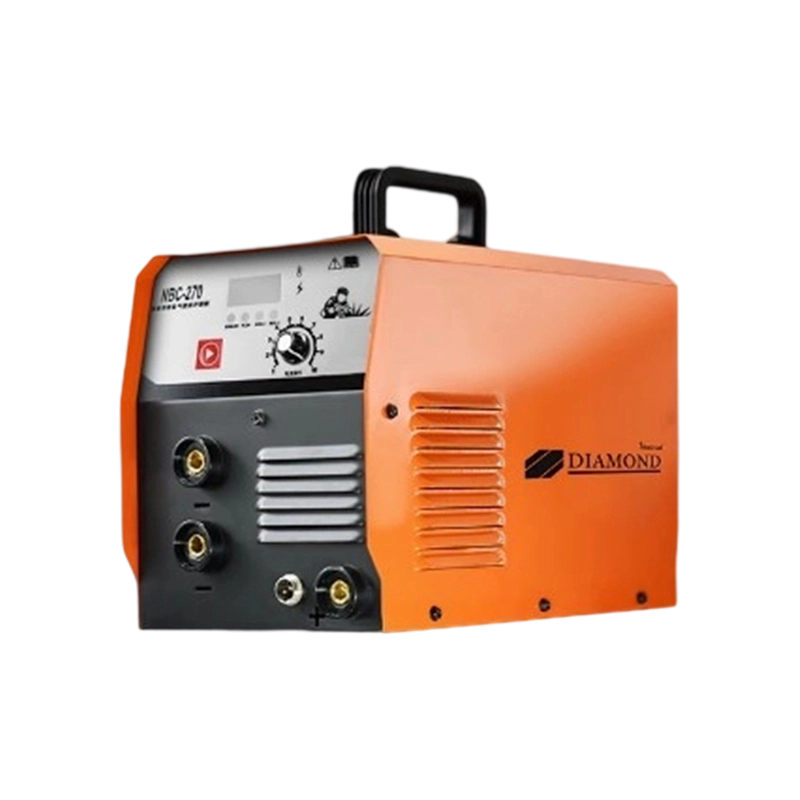
Engineered for good performance in demanding industrial environments, the Professional Orange Weldin...
Walk onto any fabrication floor and you will notice something quickly: the quality of the weld often depends on the tools feeding the arc. That is where the role of a Welding Fixture Supplier becomes practical rather than abstract. A good supplier does more than ship boxes; it connects torches, consumables, and accessories into a workflow that welders can actually use.
What a Welding Fixture Supplier Brings to the Bench
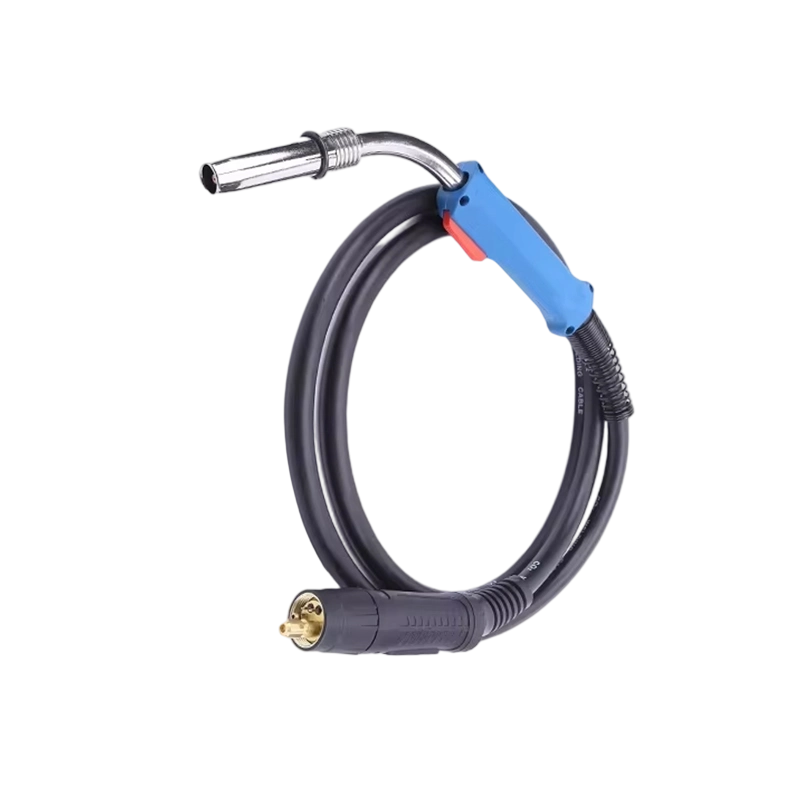
A Welding Fixture Supplier typically works with a broad product matrix. In the MIG welding category, this includes two core groups: MIG welding torches and MIG welding accessories. Torches act as the interface between the welder and the workpiece, delivering shielding gas and wire feed to the arc. Accessories such as nozzles, contact tips, gas diffusers, and liner systems keep that delivery smooth and consistent.
For a Welding Fixture Supplier, the value lies in matching these parts to real tasks. Air-cooled and water-cooled torch configurations suit different environments and intensity levels. Adjustable wire feed speed, ergonomic grips, and swappable contact tips give operators more control and less fatigue. A supplier who understands these details helps buyers avoid mismatches that slow down a line.
How Torch Choices Shape Daily Welding
MIG welding torches are the operational core of the process. They must deliver a consistent flow of shielding gas and wire to the arc to support good weld quality. Durability and ergonomic design matter because torches are handled constantly. When a Welding Fixture Supplier offers options like blue-handled industrial torches, robust precision models, and flexible articulation designs, shops can pick tools that fit specific jobs rather than forcing one model onto every task.
Cable assemblies and connecting rods also play a role. A precise cable assembly torch or a threaded copper-plated connecting rod may look like small details, but they influence how reliably the torch performs over long shifts. A Welding Fixture Supplier who stocks these components helps reduce downtime caused by minor part failures.
Accessories That Keep MIG Welding Consistent
Accessories complement the torch and streamline workflows. Welding nozzles, contact tips, gas diffusers, and liner systems support smooth wire feeding and arc stability. Anti-spatter sprays, welding gloves, and protective caps safeguard both equipment and operators. Cleaning tools like wire brushes and deslaggers help with post-weld tasks, while torch hangers and organizer kits reduce wear and tear.
Advanced accessories such as welding monitors, spool guns, and push-pull systems serve specialized applications or high-volume production. For a Welding Fixture Supplier, offering these items means customers can solve problems without hunting across multiple vendors. Wooden brass insulation sleeves and high-precision copper contact tips are examples of small parts that make a noticeable difference in consistency.
Practical Signs of a Helpful Supplier
Look for a Welding Fixture Supplier who can explain torch configurations, cooling methods, and accessory compatibility in plain language. Ask how their torches handle wire feed speed adjustment, grip comfort, and tip swapping. A supplier who answers with specifics is easier to trust than one who speaks only in general terms.
MIG welding continues to serve automotive work, mechanical processing, shipbuilding, and metal structure production. The tools around the arc—torches, nozzles, tips, liners, and monitors—shape how smoothly that work proceeds. A Welding Fixture Supplier who treats these items as a connected system helps welders achieve clean, consistent results with less hassle. For shops that want fewer surprises and more steady output, that relationship is worth building early.