
 English
 中文简体
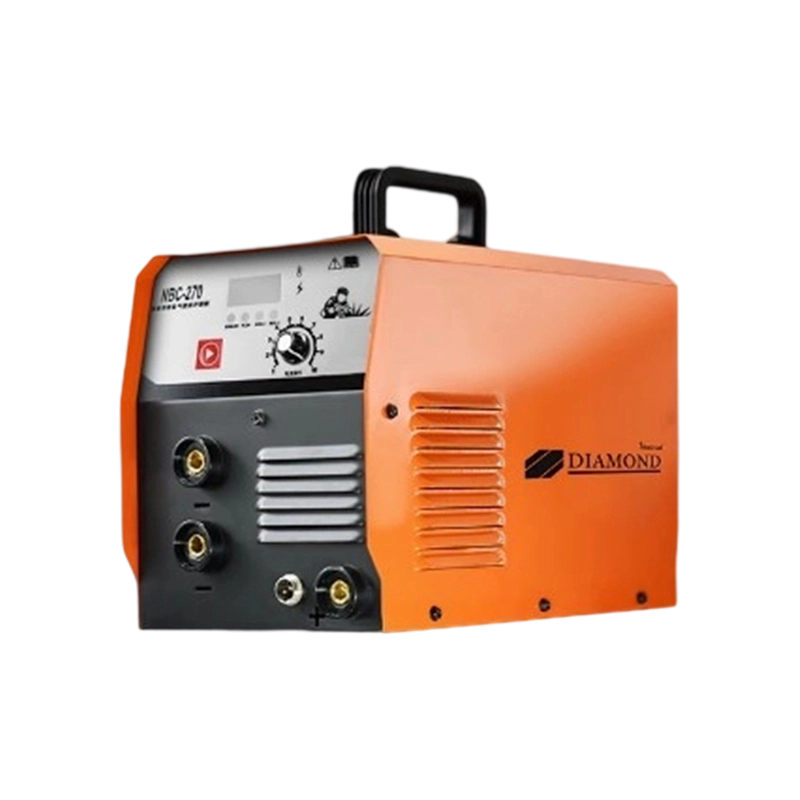
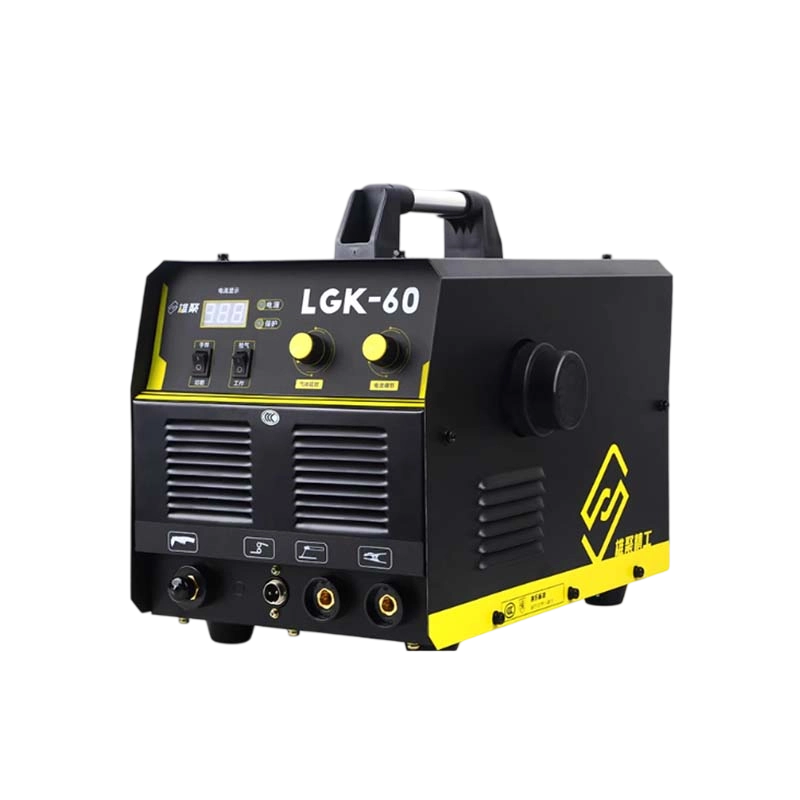
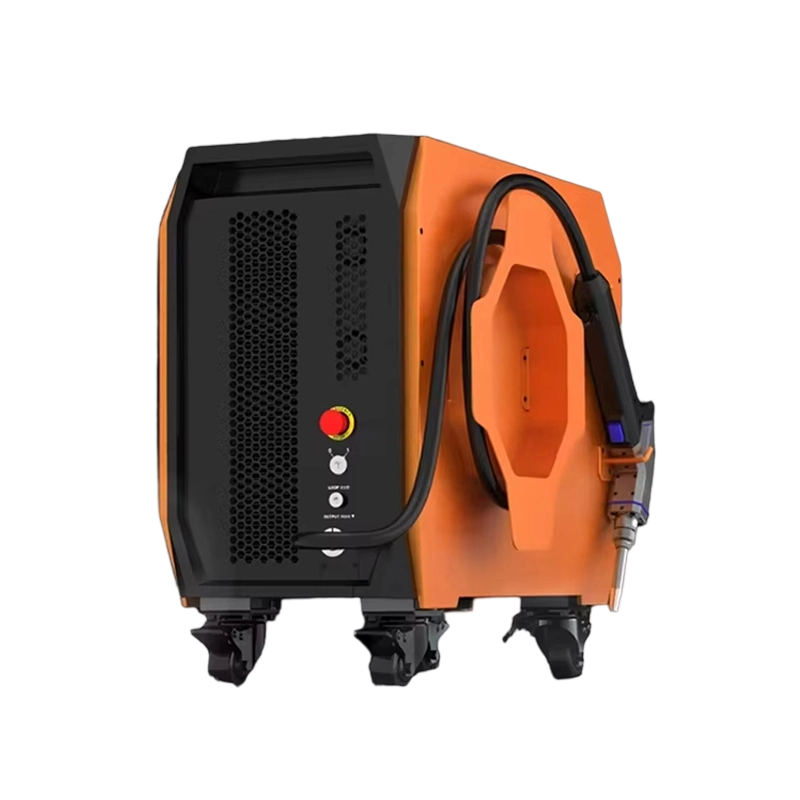
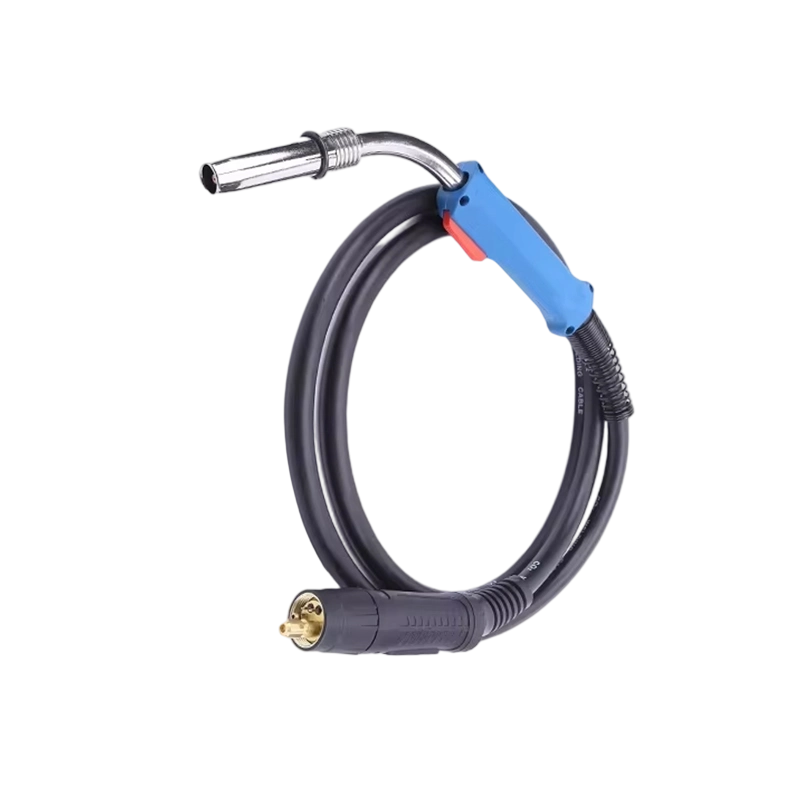
Engineered for good performance in demanding industrial environments, the Professional Orange Weldin...
The Role of Industrial Welding Machine Systems
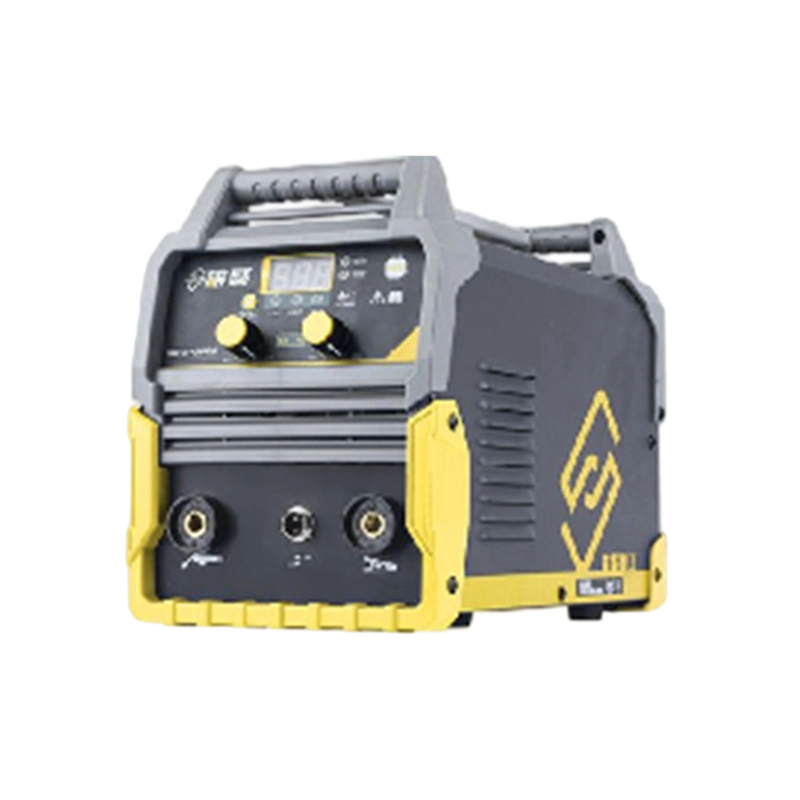
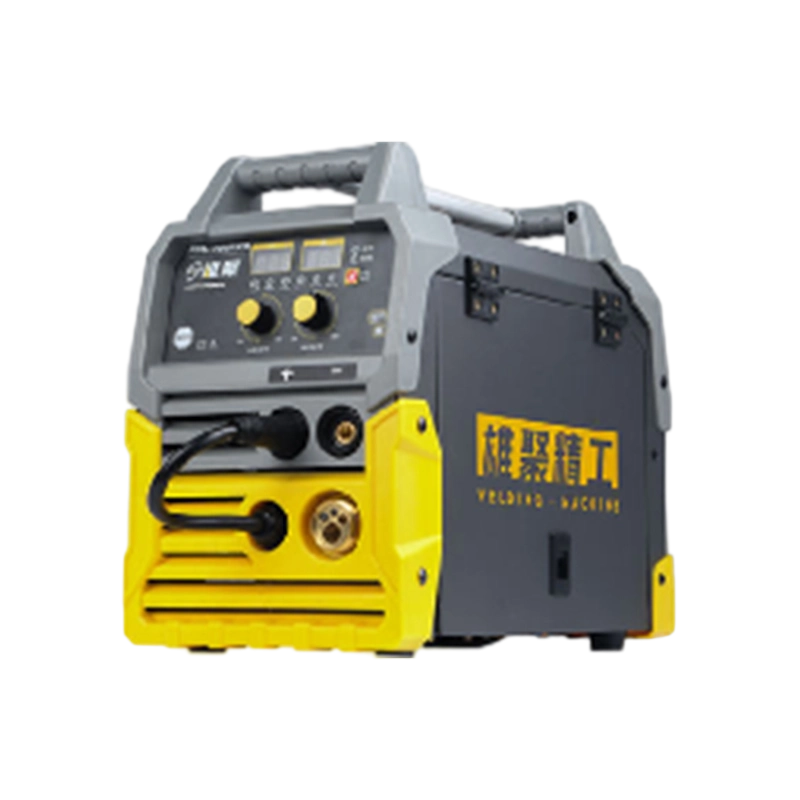
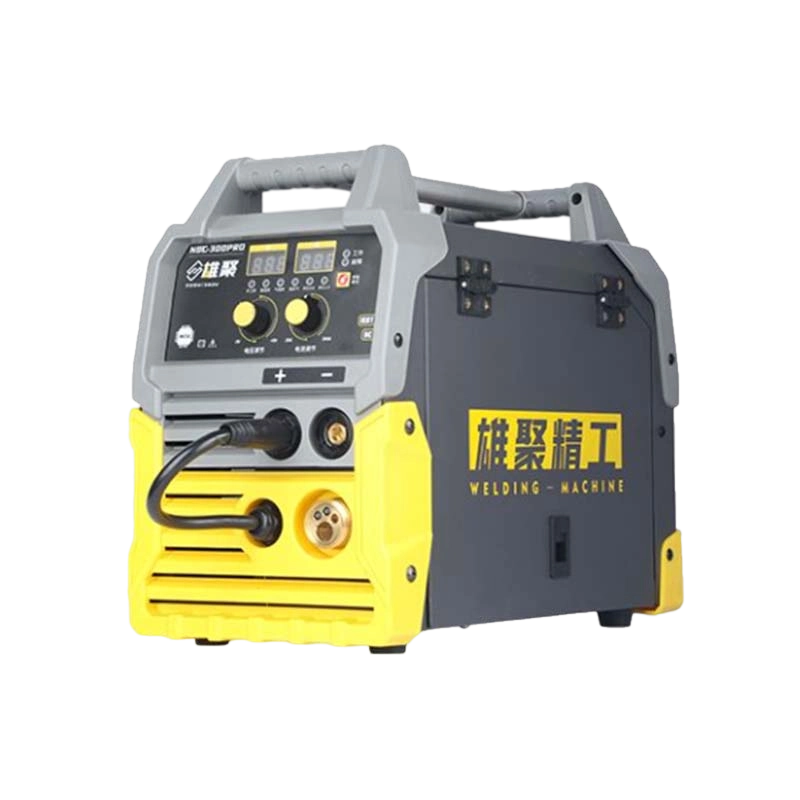
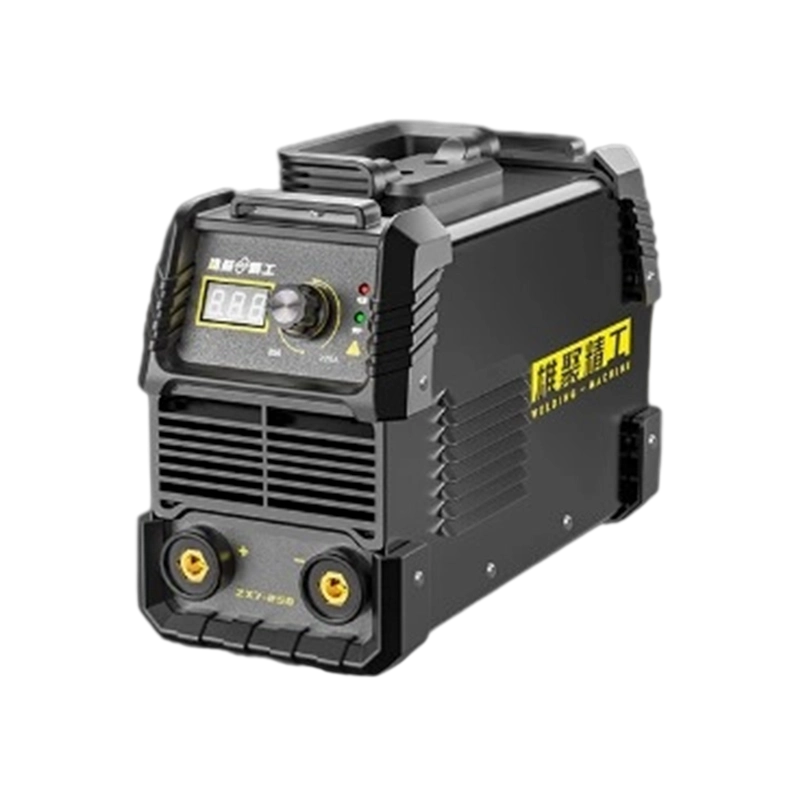
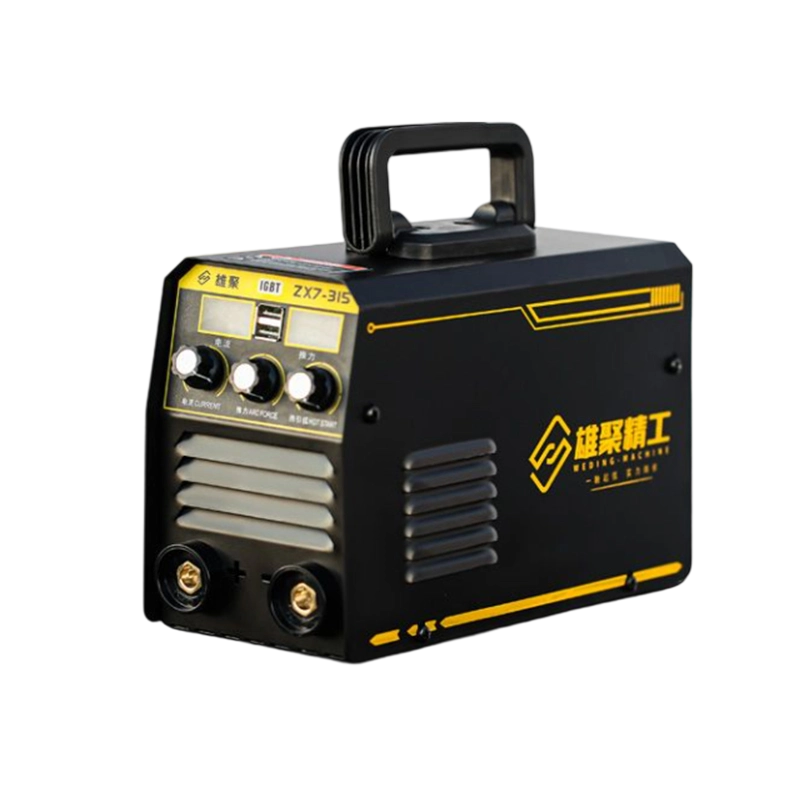
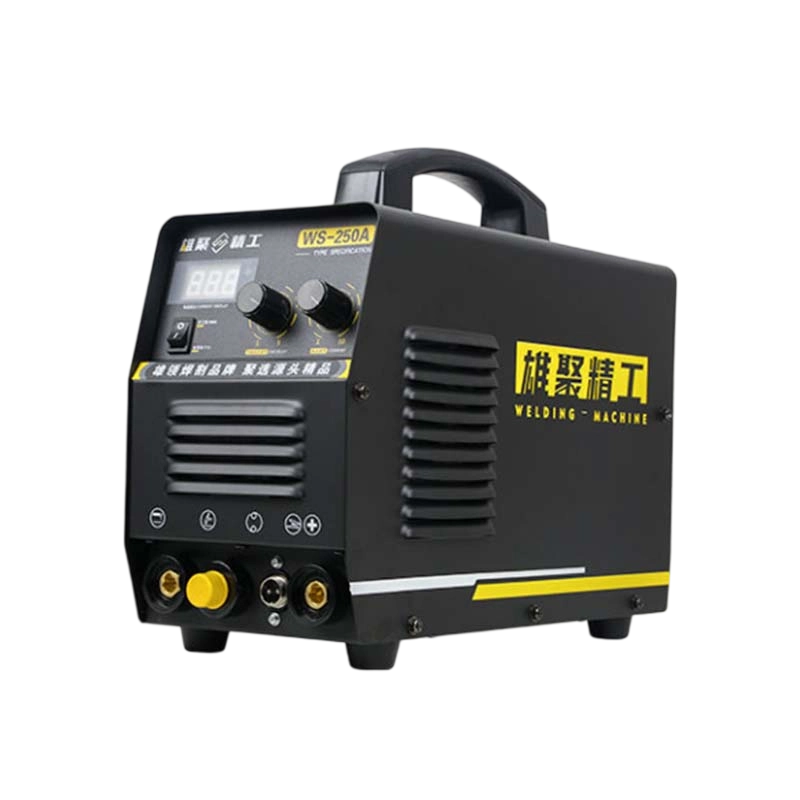
Welding is a key process in metal fabrication, equipment assembly, and industrial production. From steel frames and machinery housings to metal pipes and structural components, manufacturers rely on controlled heat and suitable welding processes to create strong joints. An Industrial Welding Machine provides the electrical power and process controls needed to join metal parts according to specific production requirements.
Different manufacturing tasks require different welding methods. Some operations focus on thin sheet metal, while others involve thick plates, large structures, or repeated joints across production batches. Choosing an Industrial Welding Machine therefore involves understanding the workpiece material, joint design, required welding process, and expected production volume.
Machine configuration also affects how welding fits into a production line. Manual systems allow operators to control torch movement directly, while mechanized and automated equipment can support repeatable welding paths for suitable applications.
Welding Processes for Different Materials
An Industrial Welding Machine may support several welding processes, depending on its design and intended use. Common options include gas metal arc welding (GMAW), gas tungsten arc welding (GTAW), and shielded metal arc welding (SMAW).
GMAW, often called MIG welding in common industrial settings, uses a continuously fed wire electrode. It is frequently applied to steel structures, sheet metal fabrication, and equipment manufacturing. GTAW, commonly known as TIG welding, uses a non-consumable tungsten electrode and offers control over the welding arc, making it suitable for applications that require careful control of the weld area.
SMAW uses a flux-coated electrode and is used in various fabrication and construction tasks.
When comparing an Industrial Welding Machine, production teams can review several process-related factors:
- Material compatibility: The machine and welding process should suit the metal type and thickness.
- Output characteristics: Current range and duty cycle influence the machine's suitability for a particular workload.
- Control requirements: Adjustable welding parameters help operators match settings to joint geometry and production conditions.
These factors help manufacturers identify equipment that fits the actual welding task rather than relying on machine capacity alone.
Industrial Welding Machine Applications Across Manufacturing
The applications of an Industrial Welding Machine extend across a wide range of production environments. Equipment selection usually reflects the size of the workpiece, the metal being joined, and the layout of the manufacturing process.
In automotive component production, welding equipment may be used to join brackets, frames, supports, and other metal parts. In machinery manufacturing, it can help assemble equipment bases, housings, and structural sections. Metal furniture and storage equipment producers may use welding systems for frames, racks, and tubular assemblies.
Common application areas include:
- Heavy fabrication: Joining steel plates, frames, machine bases, and structural components.
- Precision fabrication: Welding sheet metal enclosures, smaller assemblies, and components with defined joint requirements.
An Industrial Welding Machine used for repetitive production may also be integrated with fixtures or positioning equipment. These additions help keep workpieces aligned and make welding sequences easier to repeat.
Choosing an Industrial Welding Machine for Production Needs
Selecting an Industrial Welding Machine begins with the actual work to be performed. Buyers should identify the base materials, thickness range, joint types, and welding processes required by their products. They can then compare output range, duty cycle, control features, and compatibility with existing production equipment.
Other considerations include power supply requirements, workpiece dimensions, portability, and the availability of suitable accessories. For manufacturers handling several product categories, flexibility across different welding tasks may also influence equipment selection.
A clear understanding of these requirements helps connect machine capabilities with daily production needs. Whether used for structural fabrication, component assembly, or automated welding cells, an Industrial Welding Machine serves as a central part of the joining process, linking material preparation, welding parameters, and finished component specifications.