
 English
 中文简体
中文简体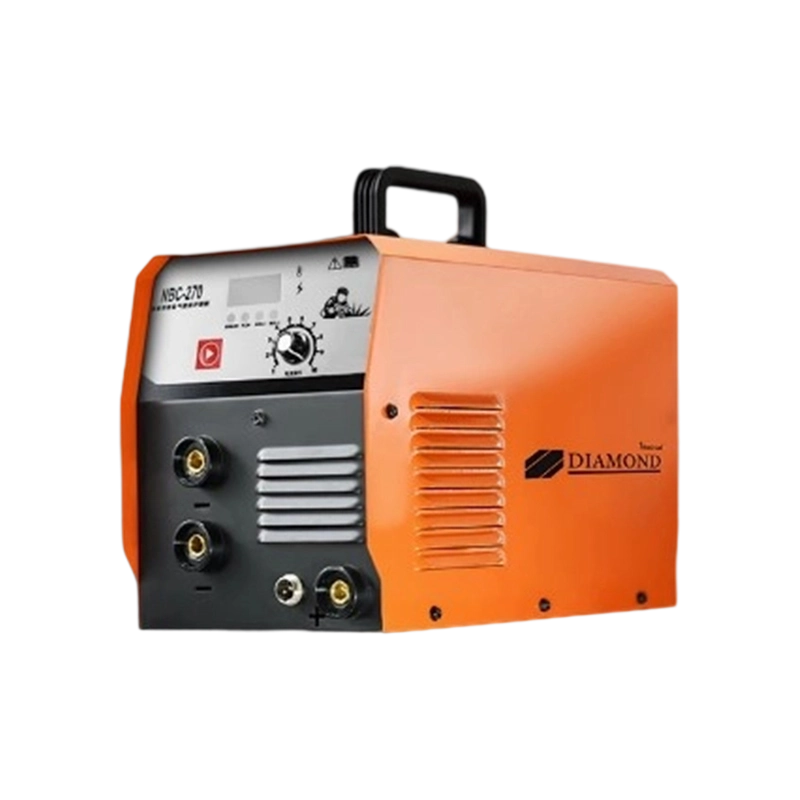
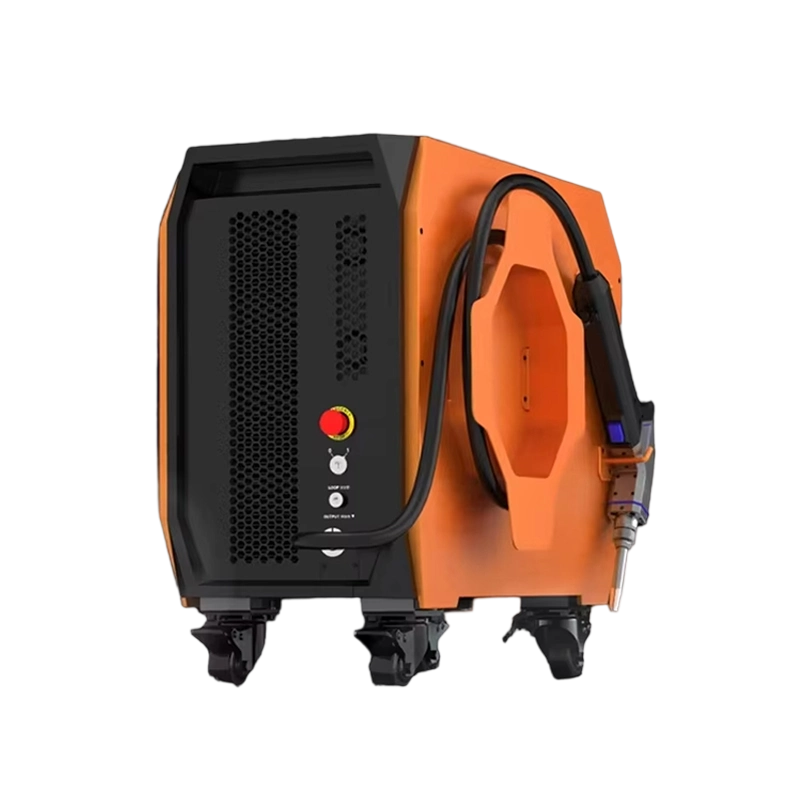
Engineered for good performance in demanding industrial environments, the Professional Orange Weldin...
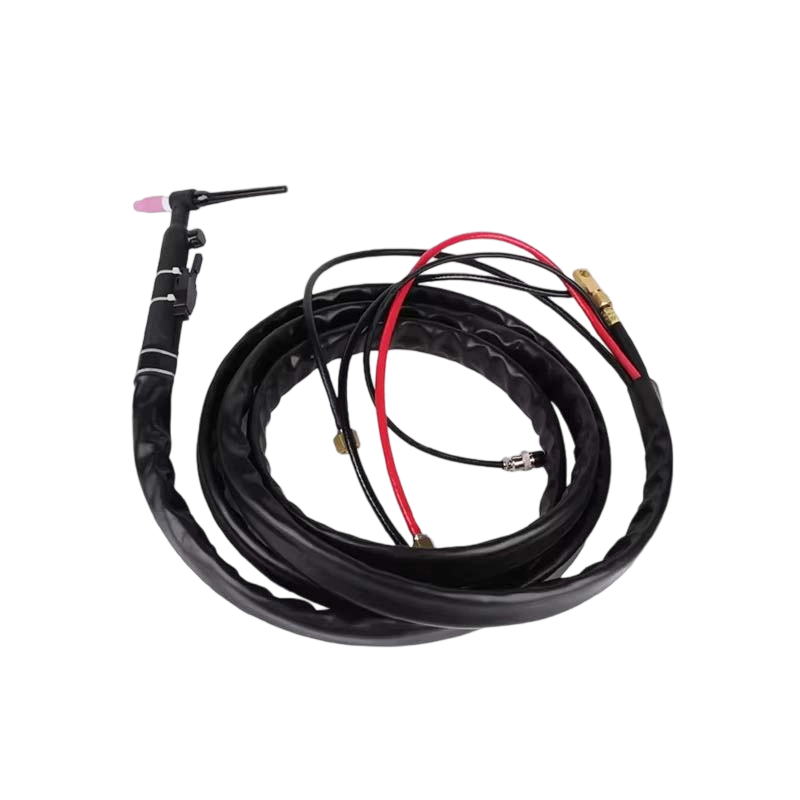
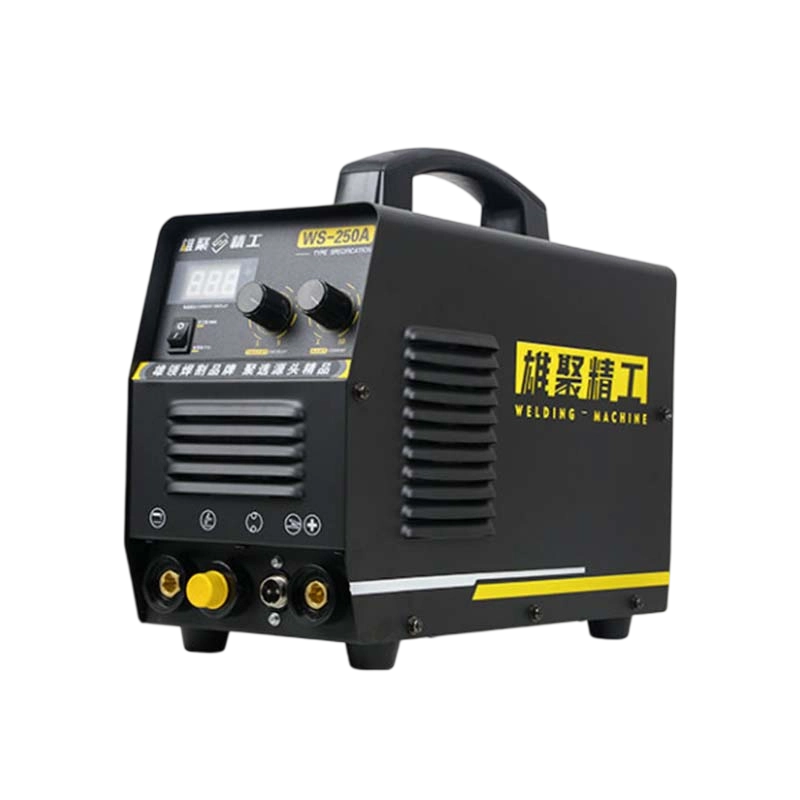
Tungsten inert gas welding is a welding technology that utilizes a non-consumable tungsten electrode and an inert gas to protect the welding zone. Its main advantages are a stable welding process and high weld quality, making it particularly suitable for metal materials where high aesthetic and strength requirements are placed on the weld.
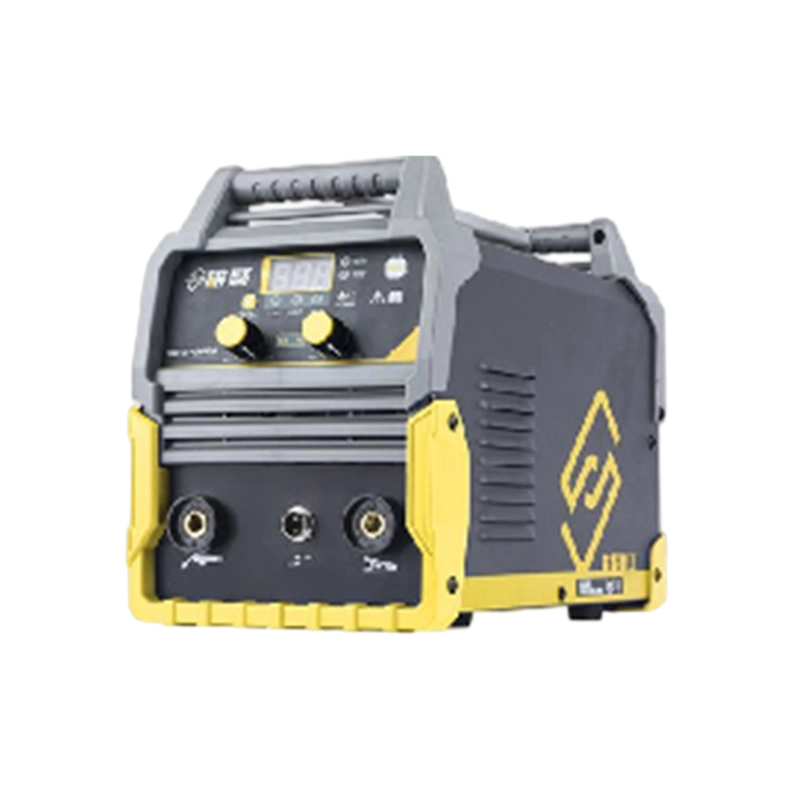
Modern TIG welding equipment is equipped with advanced current control systems and gas flow adjustment devices, allowing for flexible adjustment of welding parameters according to different metal materials and weld thicknesses. This precise control not only improves welding efficiency but also effectively reduces the welding defect rate, ensuring a strong and uniform weld.
Furthermore, Tungsten inert gas welding has also seen improvements in environmental protection and safety. By optimizing the shielding gas flow rate and welding procedure, metal oxidation and harmful gas emissions can be reduced, while spatter generated during welding is small, ensuring the safety and health of operators.
Stainless Steel TIG Welding: Widely Used in Multiple Fields
Stainless steel TIG welding is the application of TIG welding technology to stainless steel materials, and it has attracted widespread attention due to its smooth weld seam and strong corrosion resistance. Stainless steel materials are widely used in building decoration, food machinery, medical equipment, and chemical equipment, and high-quality welding is crucial to ensuring their service life and performance.
In practical applications, stainless steel TIG welding equipment can achieve precise control over weld quality by adjusting the current, welding speed, and shielding gas flow rate. Modern equipment is often equipped with pulse welding functionality, which reduces heat input, avoids material deformation, and improves the uniformity and aesthetics of the weld seam. For manufacturing enterprises, this welding method not only improves production efficiency but also reduces material waste and rework rates.
With the increasing demand for high-quality welding in the construction and machinery manufacturing industries, the market prospects for stainless steel TIG welding remain promising. Industry analysts point out that by combining with automation and robotic welding technologies, stainless steel TIG welding can play a greater role in mass production and precision component manufacturing, further enhancing enterprise competitiveness.
Aluminum TIG Welding: A New Choice for Light Metal Processing
Aluminum TIG welding is the application of TIG welding to aluminum and aluminum alloys. Due to aluminum's high thermal conductivity and ease of oxidation, its welding process requires high technical expertise. Aluminum TIG welding can ensure a complete, porosity-free weld by precisely controlling the welding temperature and protective gas environment, meeting the needs of lightweight structure manufacturing and high-precision machining.
Modern aluminum TIG welding equipment is typically equipped with high-frequency start-up and pulse welding functions, enabling more stable arcs and finer weld control during the welding process. This has led to the widespread application of aluminum TIG welding in aerospace, automotive manufacturing, shipbuilding, and electronic equipment production. Enterprises can achieve structural lightweighting through aluminum TIG welding while ensuring weld quality and service life, providing a reliable solution for light metal processing.
Furthermore, aluminum TIG welding also offers improvements in operational safety and environmental friendliness. For example, by optimizing welding procedures and shielding gas flow, aluminum oxidation and harmful gas generation can be reduced, operational risks lowered, and production sustainability improved. Industry experts indicate that with the increasing application of lightweight materials, the importance of aluminum TIG welding technology will further rise.
Welding Technology Upgrades Drive Industry Development
In recent years, continuous upgrades in welding technology have provided more possibilities for industrial manufacturing and high-precision processing. Intelligent, automated, and data-driven TIG welding equipment not only improves welding accuracy and efficiency but also enhances operational safety and process stability. By monitoring the welding process and collecting data in real time, companies can adjust welding parameters promptly, optimize production processes, and reduce material waste and defect rates.
With the development of intelligent manufacturing and industrial automation, the application scope of TIG welding equipment is constantly expanding. From automobile manufacturing to high-precision parts production, TIG welding is covering more industry sectors. Intelligent welding equipment not only reduces operational difficulty but also improves welding quality and production efficiency, providing companies with more reliable production assurance.
Overall, tungsten inert gas welding, stainless steel TIG welding, and aluminum TIG welding, as important tools for high-precision welding, are continuously being optimized with technological advancements and changing market demands. These welding technologies play a crucial role in high-precision component manufacturing, building construction, and lightweight processing.