
 English
 中文简体
中文简体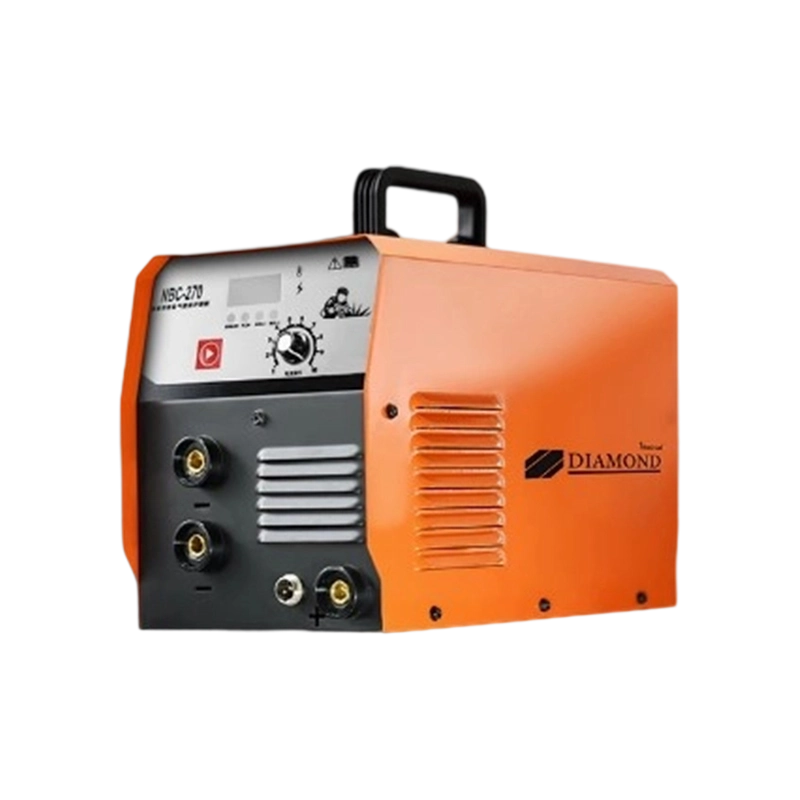
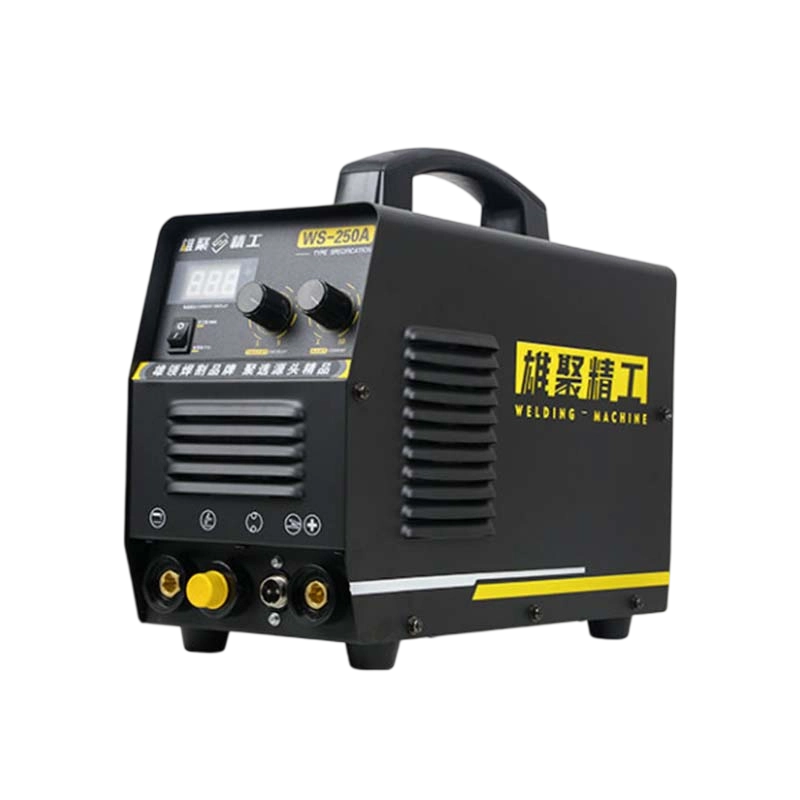
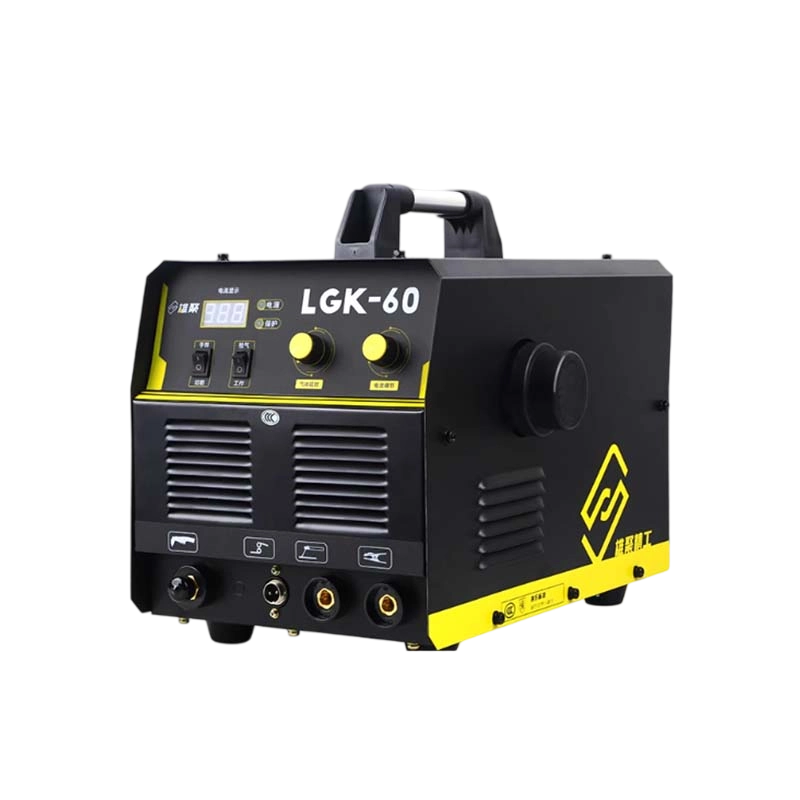
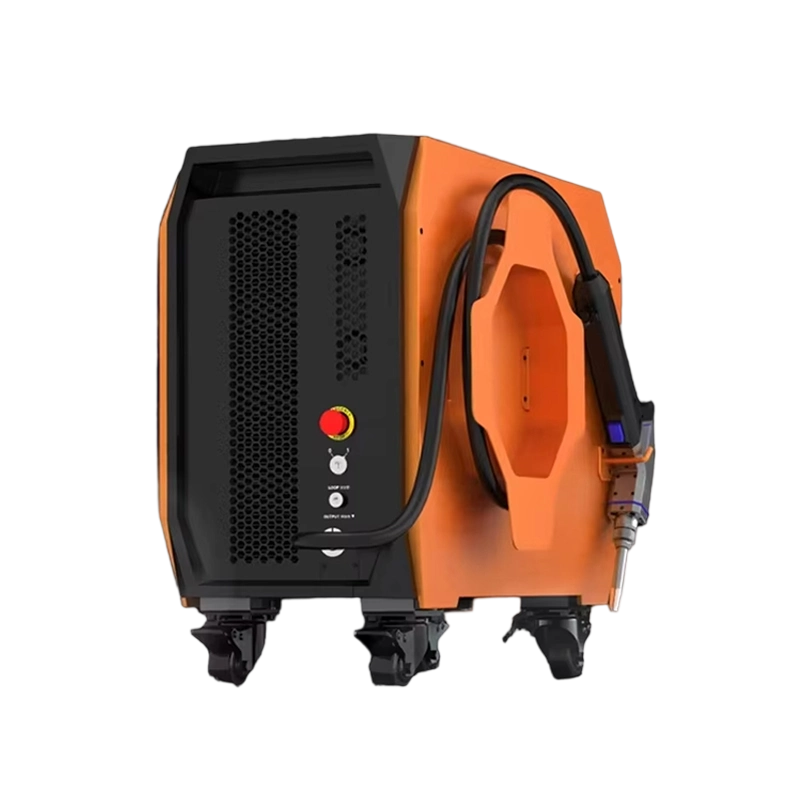
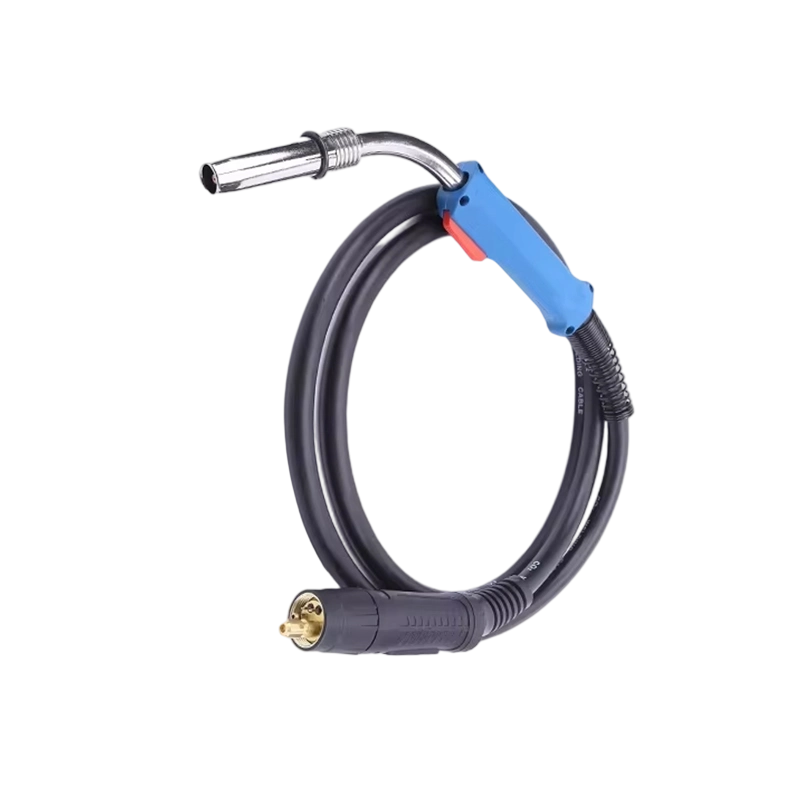
Engineered for good performance in demanding industrial environments, the Professional Orange Weldin...
Let’s clear up what a welded magnet is. It’s a permanent magnet joined to a metal housing, bracket, or assembly — but the joining method is welding, not adhesive or clamping. That weld locks the magnet’s steel keeper or backing plate right into the surrounding metalwork. Think of it as a magnet that’s permanently married to its mounting, no divorce in sight.
Why weld a magnet instead of gluing or bolting it?
This is the question most procurement and engineering teams ask early on — and the answer usually comes down to environment and load.
Adhesive bonding is common and works well in many situations. But adhesives have temperature limits. In environments where components regularly exceed 120°C to 150°C, most standard epoxies begin to soften and lose holding strength. Welded assemblies don't have that problem. The steel-to-steel weld joint holds regardless of the thermal conditions, as long as the magnet material itself isn't pushed past its own operating temperature rating.
Vibration is another factor. In automotive, heavy machinery, and motor manufacturing applications, constant mechanical vibration can slowly work adhesive bonds loose over time — especially in shear loading conditions. A welded housing eliminates that risk entirely. The joint doesn't creep, doesn't fatigue in the same way, and doesn't depend on a bonding agent maintaining its chemistry over years of use.
Bolted or clamped assemblies are an alternative, but they add mass, require pre-drilled holes, and may not suit compact or irregularly shaped geometries. Welding gives designers more freedom in how they position and orient a magnet within an assembly.
Where welded magnets are commonly used
Electric motors are one of the primary use cases. Permanent magnet motors — used in everything from industrial drives to electric vehicles — require magnets to be held firmly within the rotor or stator assembly under significant rotational forces. Welded magnet assemblies are a common solution where press-fitting or adhesive alone doesn't provide sufficient retention at speed.
Magnetic chucks and workholding fixtures used in machining are another area. These tools rely on magnets mounted into steel bodies, and welded construction ensures the magnet housing stays precisely aligned even after repeated clamping cycles and exposure to cutting fluids, chips, and physical impact.
Lifting magnets — used in steel yards, recycling facilities, and fabrication shops — often incorporate welded housings because the consequence of a magnet shifting or detaching during a lift is serious. Welding adds a layer of mechanical security that adhesive bonds simply can't match in that context.
Sensors and position detection systems in industrial machinery also make use of welded magnet assemblies, particularly where the sensor must survive wash-down environments, high temperatures, or physical shock without the magnet shifting position over time.
Steel housing design and how it affects performance
The design of the steel housing around a welded magnet isn't just a mechanical consideration — it directly influences how the magnetic field behaves. A well-designed keeper or back plate channels the magnetic flux in a useful direction, concentrating it toward the working face of the magnet rather than allowing it to spread in all directions.
This is why off-the-shelf welded magnet assemblies often outperform bare magnets of the same grade in practical pull-force tests. The steel focuses the available flux, and the result is a stronger, more directional field at the point of contact. Engineers specifying welded magnet assemblies for holding or lifting applications factor this in — the housing geometry is part of the performance equation, not just a structural afterthought.
Material selection for the housing matters too. Low-carbon steel is widely used because it has good magnetic permeability and is straightforward to weld. Stainless steel is sometimes specified for corrosion resistance, though its magnetic permeability is lower, which affects flux concentration.