
 English
 中文简体
中文简体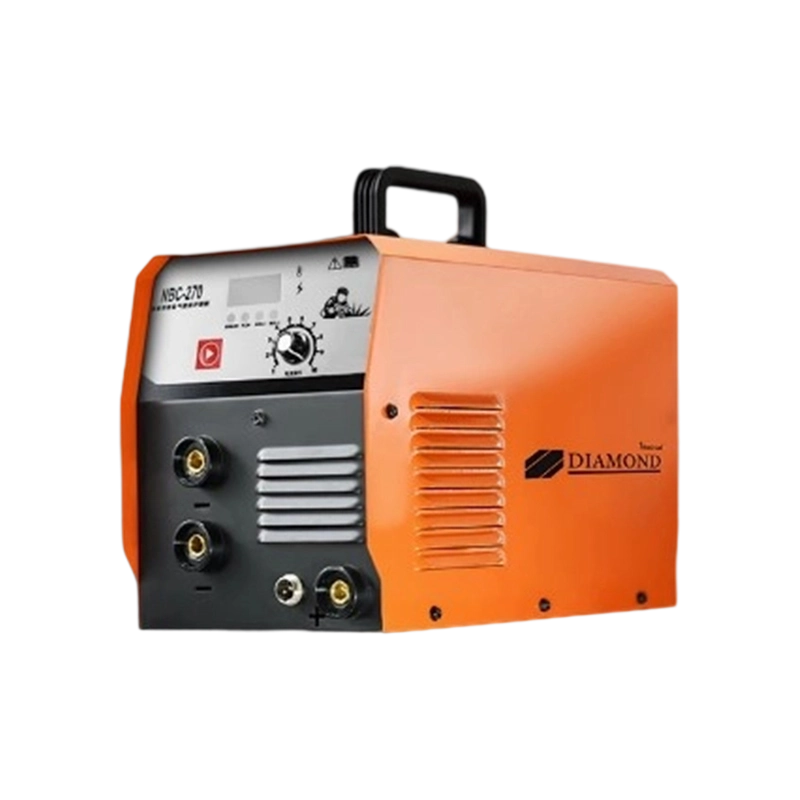
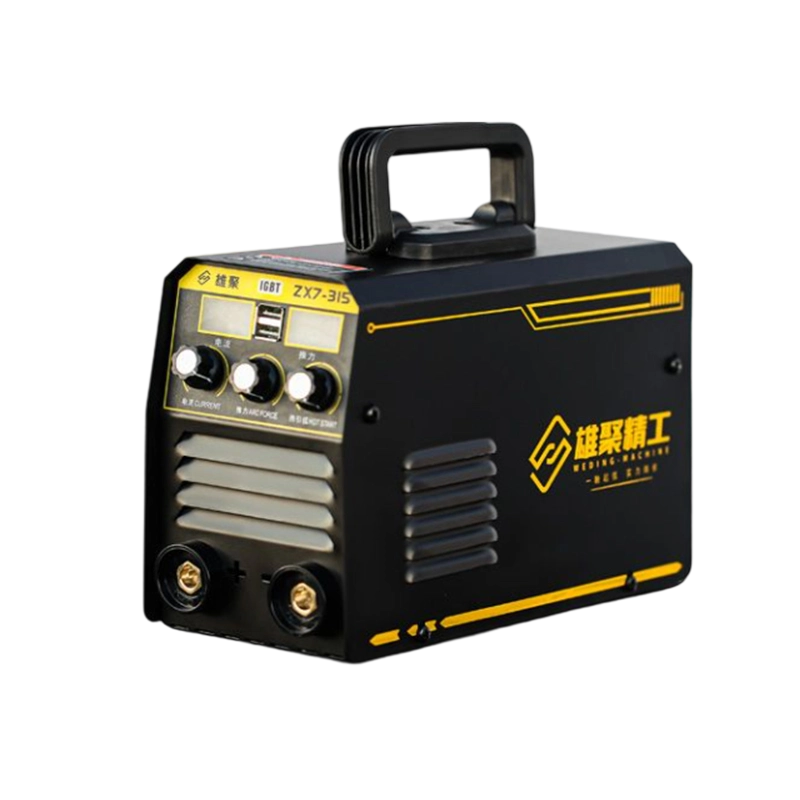
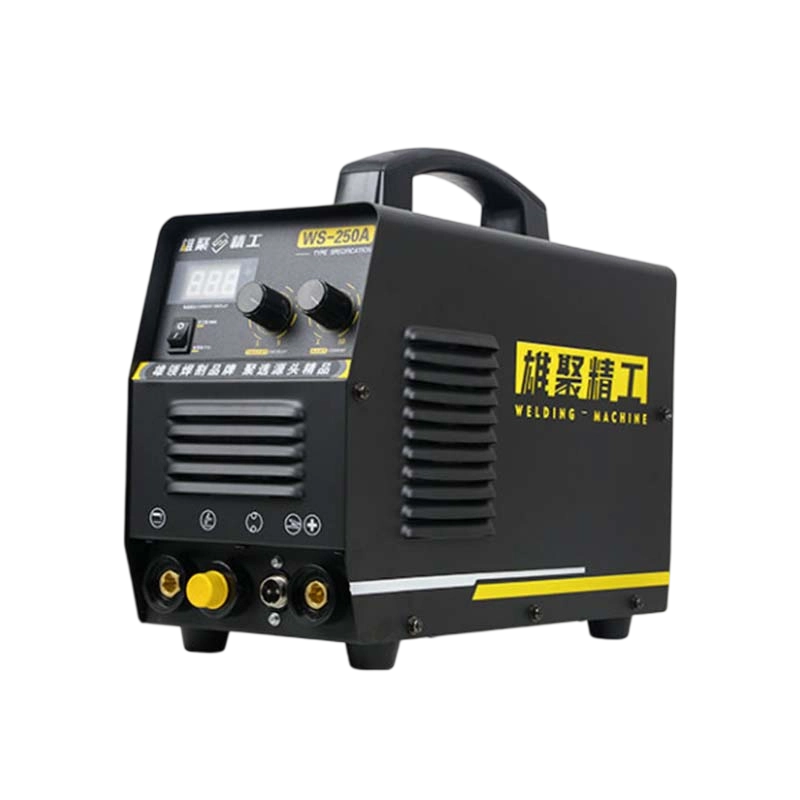
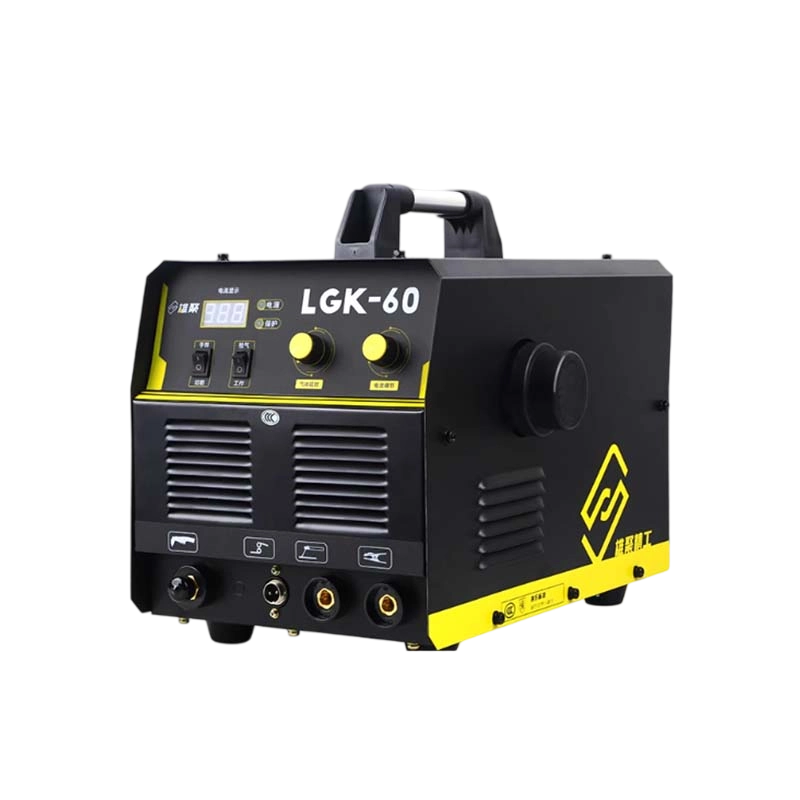
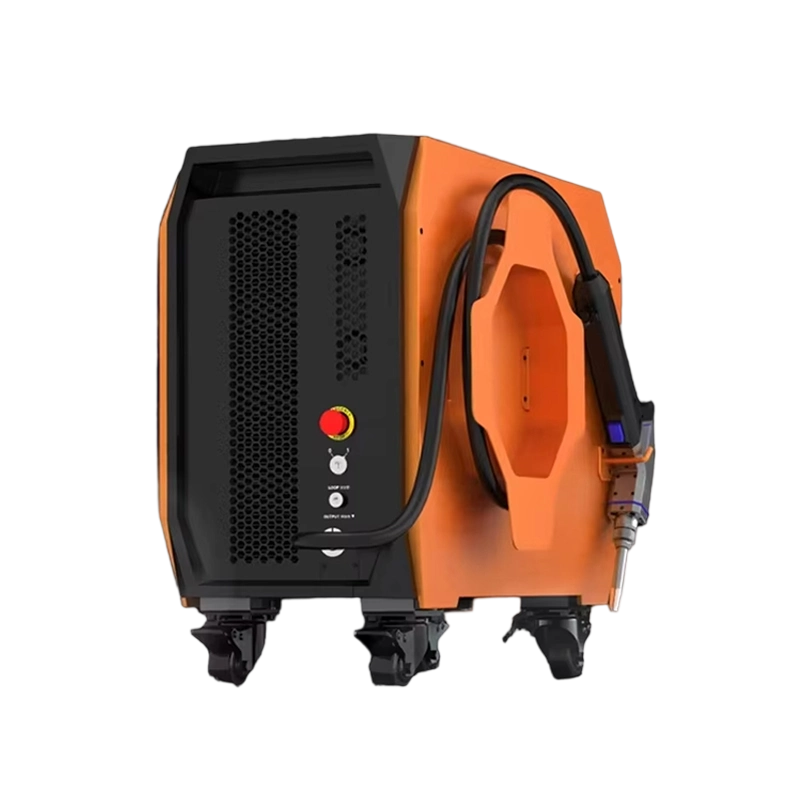
Engineered for good performance in demanding industrial environments, the Professional Orange Weldin...
Introduction to Industrial Welding Machines
Industrial welding machines have become indispensable in modern manufacturing and fabrication industries. Designed to handle heavy-duty tasks, these machines provide consistent performance, precision, and efficiency across a range of applications. From automotive production to shipbuilding and metal construction, industrial welding machines enable businesses to meet high standards of quality while maintaining productivity. Their robust design allows them to handle various metals, including steel, aluminum, and alloys, ensuring reliable performance in demanding environments.
The evolution of welding machines has been driven by the need for higher efficiency, better energy consumption, and more precise control over welding processes. Advanced models now feature programmable settings, automated controls, and integrated safety mechanisms. These features not only streamline production workflows but also enhance operator safety, reducing the risk of workplace incidents. The integration of digital interfaces and monitoring systems allows real-time feedback, ensuring that welds meet exact specifications and quality benchmarks.
Functionality and Technological Advancements
Industrial welding machines operate using a variety of techniques, including MIG (Metal Inert Gas), TIG (Tungsten Inert Gas), and arc welding, each suited for specific materials and applications. These machines provide high levels of accuracy, allowing operators to achieve clean, strong welds even on complex or delicate components. Features such as adjustable voltage, amperage controls, and wire-feed speed allow customization for different welding tasks, ensuring optimal results.
Modern machines incorporate advanced cooling systems, lightweight materials, and modular components to improve durability and ease of maintenance. Energy-efficient welding machines reduce operational costs while minimizing environmental impact. Some models are designed to integrate seamlessly with robotic welding systems, automating repetitive tasks and increasing overall production efficiency. This combination of flexibility, precision, and durability makes industrial welding machines critical assets in competitive manufacturing environments.
Industrial Applications and Benefits
Industrial welding machines serve a wide range of sectors, including automotive, construction, shipbuilding, and heavy machinery production. Their versatility allows manufacturers to work with diverse metals, create complex structures, and maintain consistent quality across large-scale projects. The machines’ precision reduces material waste, enhances structural integrity, and ensures compliance with industry standards.
Industrial welding machines contribute to improved safety and ergonomics in workplaces. Automated features reduce manual labor, minimizing operator fatigue and exposure to heat or sparks. This not only improves productivity but also fosters a safer, more sustainable work environment. Companies that adopt modern welding technologies benefit from reduced downtime, consistent output, and enhanced competitiveness in the global market.
Market Trends and Industry Developments
The industrial welding machine market has seen growth due to increasing demand for high-quality metal fabrication, rapid urban development, and the expansion of manufacturing sectors worldwide. Manufacturers focus on producing machines that balance performance, energy efficiency, and user-friendliness. Portable welding units, hybrid machines, and robotic systems are emerging trends that address evolving industrial needs.
Technological innovations in welding power sources, digital interfaces, and automation have reshaped industry expectations. Training programs and workshops for operators emphasize skill development, ensuring that workers can maximize machine potential while maintaining safety standards. Collaborative efforts between machine designers and manufacturers help create equipment that meets both practical and technological demands, keeping industries competitive and efficient.
Industrial Welding Machines as Essential Tools
Industrial welding machines are more than mechanical tools; they represent a combination of engineering, technology, and operational efficiency. Their role in shaping metal components, constructing infrastructure, and supporting manufacturing innovation is irreplaceable. By offering precision, reliability, and versatility, these machines enhance workflow efficiency and contribute to product quality across multiple sectors. Industries continuing to expand highlight the demand for advanced welding solutions, showing that industrial welding machines remain a cornerstone of modern production.