
 English
 中文简体
中文简体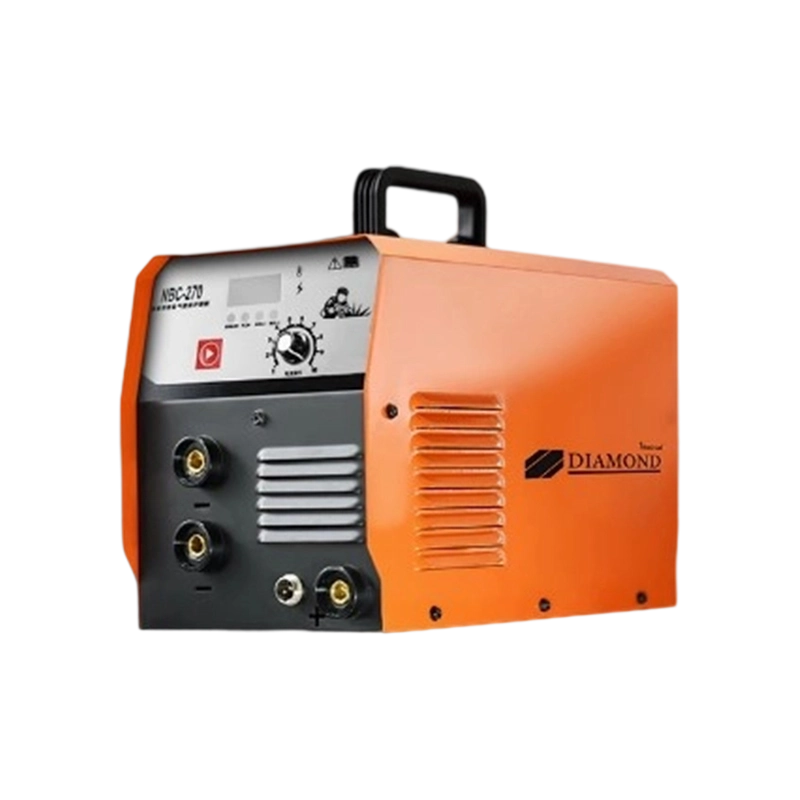
Engineered for good performance in demanding industrial environments, the Professional Orange Weldin...
A Welding Rod Supplier occupies a central position within the metal joining industry. Welding rods, also known as electrodes, form the core consumable element in many welding processes. Without a steady supply of suitable rods, fabrication lines and repair operations would quickly slow down. Suppliers connect manufacturers of electrodes with end users across construction, shipbuilding, automotive repair, and machinery assembly sectors.
Welding rods vary according to coating type, diameter, tensile strength classification, and compatibility with base materials. A Welding Rod Supplier typically offers a range that includes carbon steel electrodes, stainless steel rods, and specialty alloys. Each type serves a different welding application, depending on joint design and metal composition. This diversity allows workshops to match materials accurately to structural demands, surface conditions, and welding positions.
Classification systems help welders select appropriate rods for specific tasks. Diameter size affects deposition rate and arc stability. Smaller rods may be chosen for thinner materials or detailed joints, while larger diameters support heavier structural work. Coating composition influences slag formation and arc characteristics, which in turn shape bead appearance and penetration. Clear technical documentation provided by a Welding Rod Supplier helps operators understand these distinctions before placing bulk orders.
In heavy fabrication sectors such as bridge construction or ship assembly, welding rods are consumed in large volumes. Continuous supply supports uninterrupted workflow and stable production scheduling. Smaller workshops may place periodic orders aligned with project timelines, adjusting quantities based on contract size. In both scenarios, communication between supplier and customer shapes purchasing decisions and delivery frequency.
Trade exhibitions and industry events offer opportunities for suppliers to present product lines and engage with fabrication professionals. Sample displays allow welders to examine coating finishes and rod diameters. Demonstrations highlight arc behavior and slag removal characteristics under controlled conditions, giving buyers practical insight into performance differences between electrode categories.
Packaging formats vary depending on distribution strategy. Some rods are sold in sealed moisture-resistant boxes, grouped according to classification and diameter. Others are packaged in smaller quantities for retail environments and repair shops. Clear product labeling helps welders identify electrode type quickly during setup, especially in busy workshops where multiple materials are handled at once. Organized packaging also simplifies inventory management for procurement teams.
The relationship between a Welding Rod Supplier and its clients often extends beyond simple transactions. Long-term cooperation may involve scheduled deliveries, customized packaging, or private labeling services for regional distributors. Consistent product availability strengthens trust within competitive industrial markets and supports smoother project execution.
Although welding equipment such as power sources and torches attracts attention, electrodes remain a constant consumable element. Their role in forming strong metal joints underscores the importance of reliable sourcing. A Welding Rod Supplier functions as the logistical link that keeps workshops stocked and ready for ongoing fabrication tasks. Across industries that depend on metal assembly, welding rods continue to serve as foundational materials, supporting productivity and consistent joint formation in fabrication plants and construction sites alike.
Conclusion
Selecting a dependable Welding Rod Supplier influences efficiency, workflow stability, and overall project coordination within metalworking environments. Steady inventory, clear specifications, and responsive communication allow workshops to plan production confidently.Fabrication demands shift between small repair jobs and large structural assignments, and access to diverse electrode types ensures flexibility. A strong supplier partnership becomes part of daily operations, quietly supporting every weld seam formed on the shop floor.