
 English
 中文简体
中文简体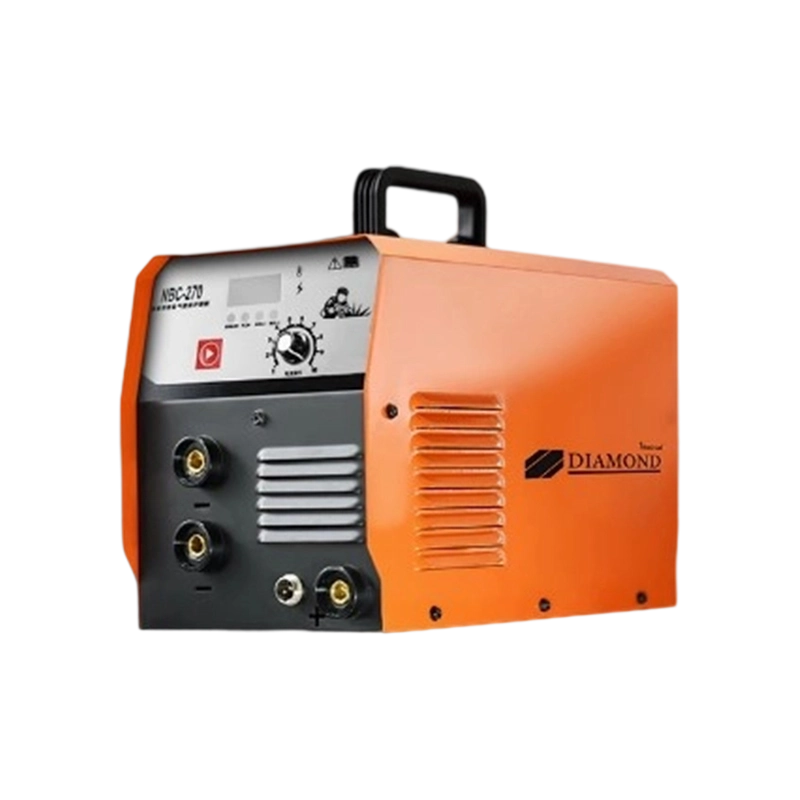
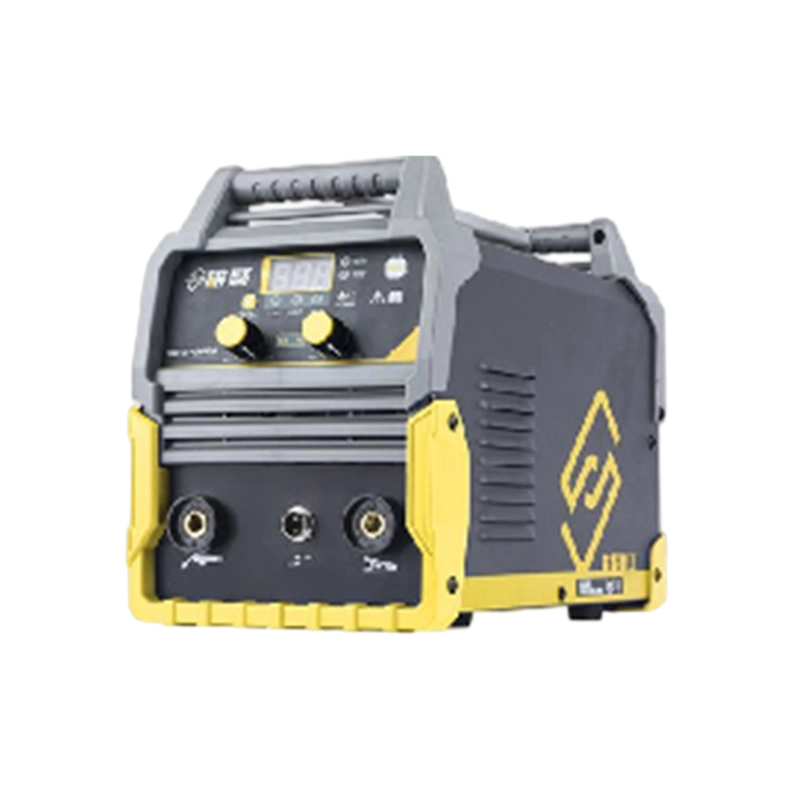
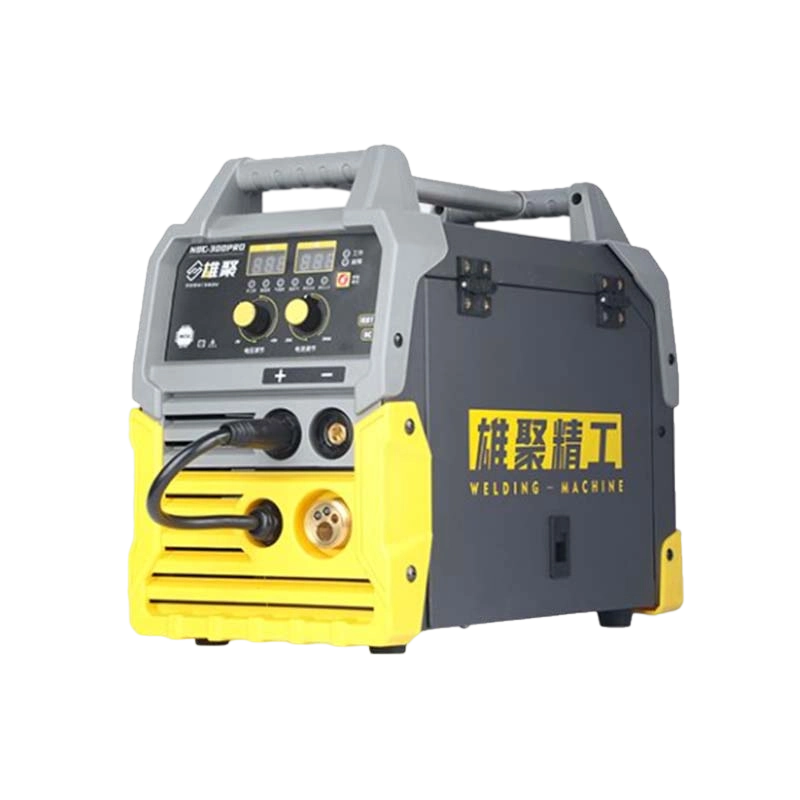
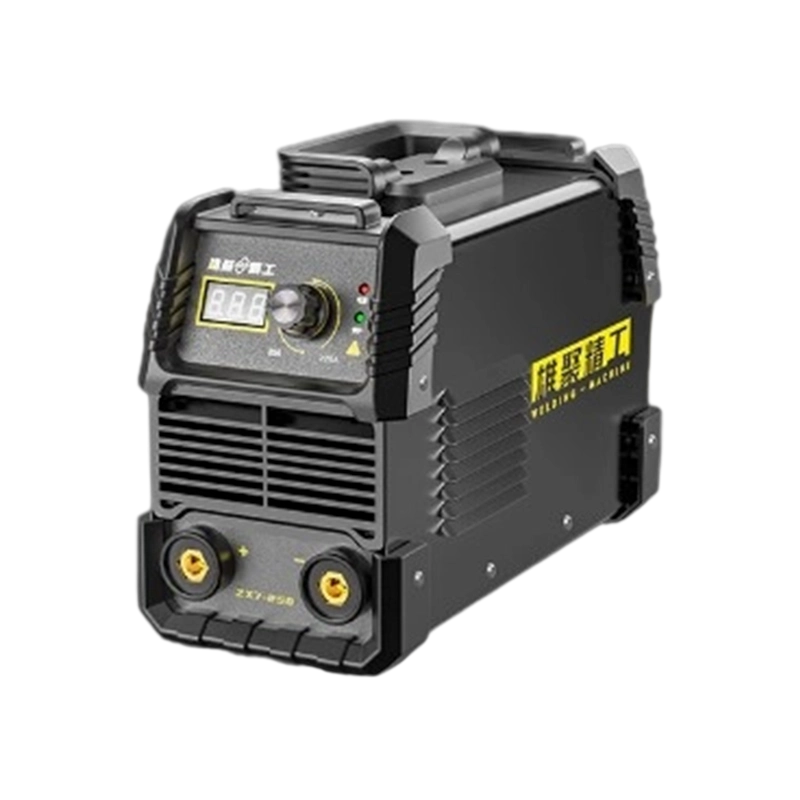
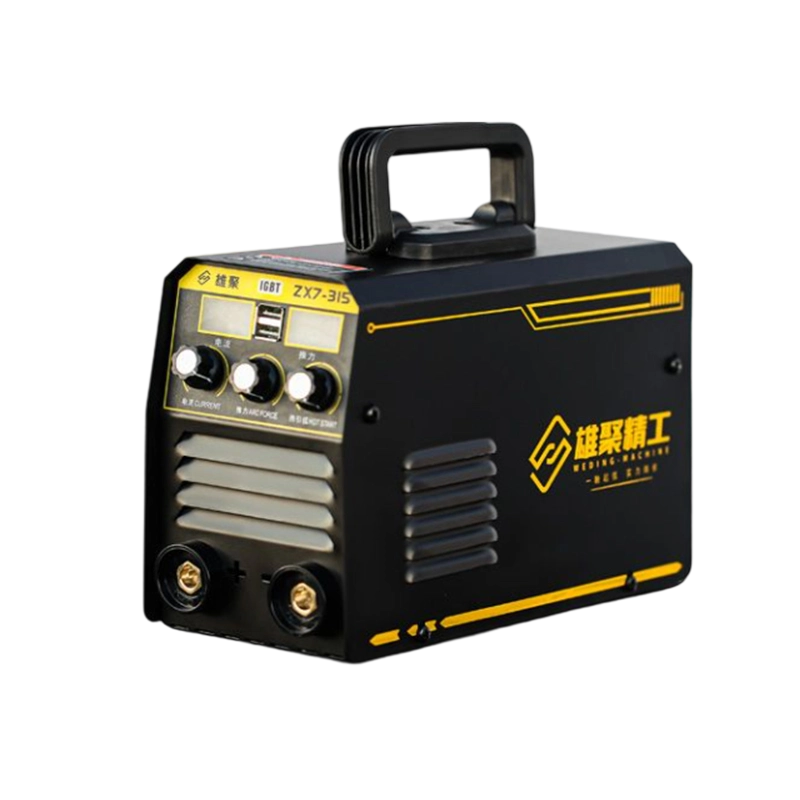
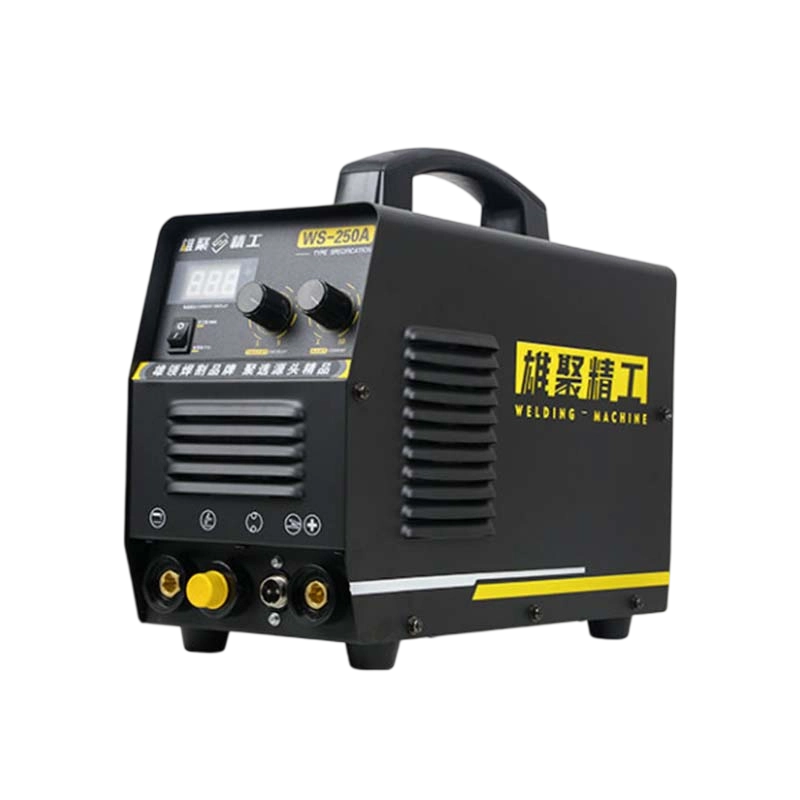
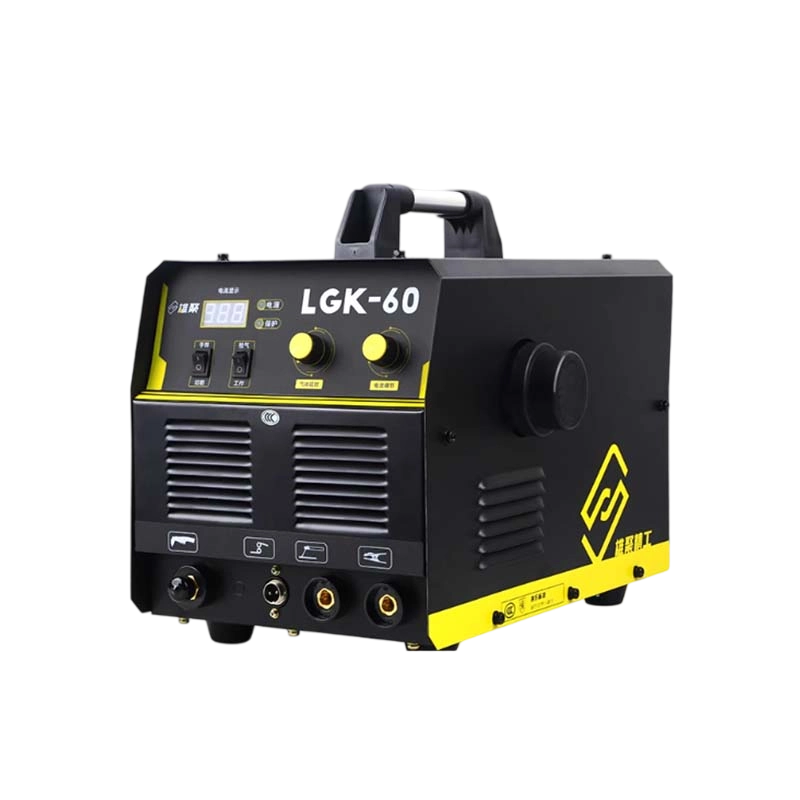
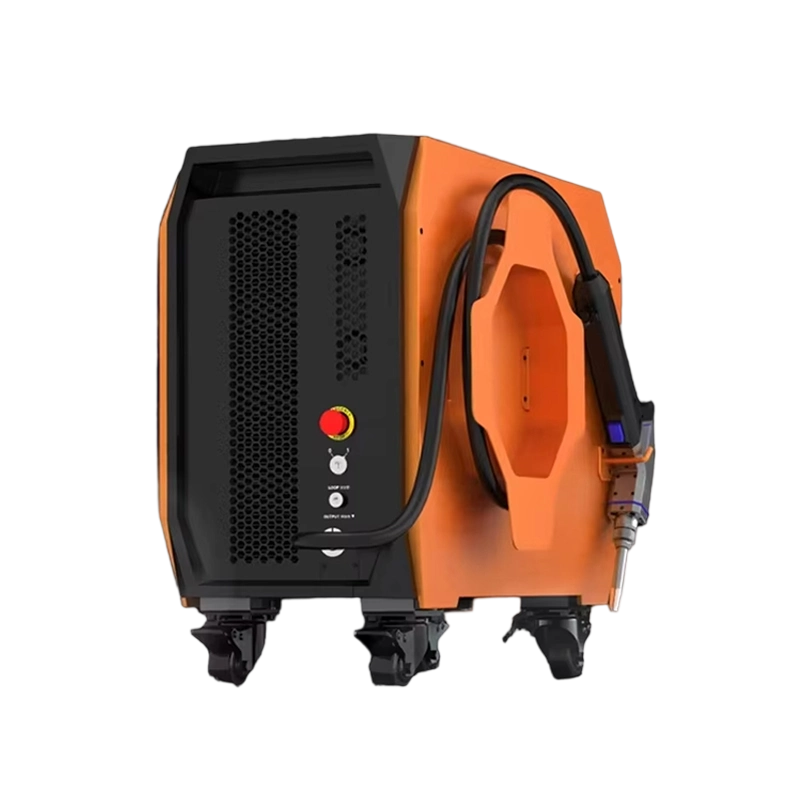
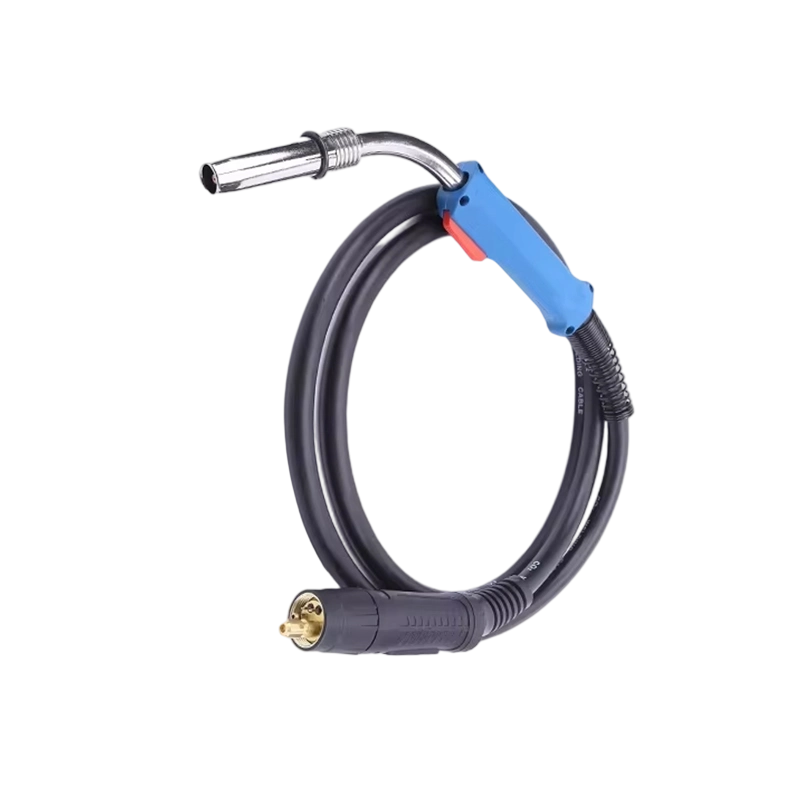
Engineered for good performance in demanding industrial environments, the Professional Orange Weldin...
A welded magnet is a small assembly with a straightforward job: hold, position, or align another object. It combines a magnet with a welded metal housing or bracket, creating a unit that can be attached to a frame, a panel, or a fixture. For engineers and fabricators, this combination offers a way to bring magnetic force into a structure without relying on adhesives or complex mechanical clamps. The result is a component that feels simple yet performs a specific role in many assemblies.
What a Welded Magnet Includes
The term covers a range of designs. In a typical version, a magnet—often a neodymium disc or a ferrite ring—sits inside a metal cup or channel. A weld joint connects that housing to a threaded stud, a plate, or a custom bracket. The weld may be a spot weld, a seam weld, or a full penetration weld, depending on the load and the environment. The housing directs the magnetic field toward the contact surface, which can increase holding force compared with an unshielded magnet of similar size.
Because the housing is welded rather than glued or crimped, the connection can resist vibration and repeated handling. That matters in settings where a fixture is moved, adjusted, or subjected to cyclic loads. A welded magnet can be designed to fit a specific mounting pattern, which helps with alignment during assembly.
Where These Units Are Used
A welded magnet appears in workshops, production lines, and equipment frames. It may serve as a door catch on a metal cabinet, a positioning stop on a welding table, or a retention point for a removable panel. In automation, a welded magnet can help hold a workpiece during a secondary operation before a clamp takes over. The magnetic force provides a temporary hold that is easy to release, while the welded housing provides a durable attachment point.
The appeal is often practical. Instead of drilling extra holes or adding a separate bracket, a team can weld a magnetic unit directly to a steel structure. This can reduce part count and simplify a design. It also allows magnetic holding in locations where a through-bolt would be awkward.
Design Details That Matter
Several factors shape how a welded magnet performs. The magnet material affects strength and temperature tolerance. Neodymium types offer strong holding force in compact sizes, while ferrite types may suit higher-temperature or cost-sensitive applications. The housing material, often steel, influences field direction and mechanical durability. Weld quality is central: a consistent weld transfers loads evenly and helps the unit survive vibration.
The contact surface also plays a role. A smooth, flat steel surface allows a closer fit and stronger hold. Paint, rust, or uneven surfaces can reduce holding force. For this reason, many welded magnet designs include a slight recess or lip that protects the magnet face and encourages contact with the target surface. Users often pair the magnet with a thin gasket or washer to fine-tune the gap.
Welded Magnet in Custom Fixtures
Custom fabrication benefits from the flexibility of a welded magnet. A shop can order a standard unit or specify a bracket shape that matches an existing frame. Threaded studs allow a nut and washer to secure the unit, while a flat plate can be welded directly to a beam. This adaptability makes the welded magnet a useful option when a project calls for repeated placement and removal of a component.
In some cases, multiple welded magnet units work together. Two or four units can form a magnetic base that holds a panel or a tool. The welds lock each unit to the base, so the assembly moves as one piece. This approach can be seen in portable workholding jigs and in modular racking systems.